Drone technology is becoming increasingly ubiquitous across the world of GIS. The drone industry has come a long way from its overly optimistic beginnings, and drones are now an essential tool for data collection and analysis, invaluable in nearly every field that uses GIS technology, from agriculture to emergency management.
Jeremiah Johnson, a lead solution engineer at Esri, has been a part of the drone industry for the majority of its evolution. With a background in spatial sciences and experience as a certificated airplane pilot, Johnson has a unique perspective on the convergence of aviation and data science. A recognized drone technology evangelist, Johnson is responsible for Esri’s drone-related initiatives and oversees the flight certification process for Esri employees.
In this interview, he provides guidance and suggestions for anyone interested in the burgeoning field of drone piloting and the diverse career paths it provides, whether you are just starting out in the industry or thinking about diving deeper into the world of drones.
Q: For recent graduates of drone piloting programs, what are the steps to transition from education to employment, and what certifications beyond Federal Aviation Administration (FAA) Part 107 are valuable?
A: Decide the industry that you want to work in after college—utilities, construction, agricultural, or something else. Be sure you’ve taken courses that are related to that field. This will help you develop a network of contacts in that industry. And get to know people outside of the university who’re actually using drones and then reach out to them after graduation.
Also, be aware of how drones are being used today—inspection, mapping, filming, photography. And actually get out in the field. Having some stick time is important because there are only a few organizations that would hire somebody with zero practical drone piloting experience.
Q: How important is building a strong portfolio, and what should it include?
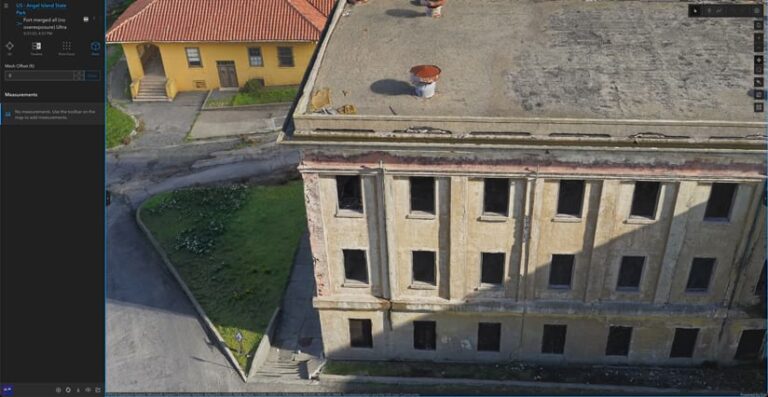
A: It’s important, particularly in showing what software you’ve worked with. Look at what software is available to you as a student and use it to develop various maps or models—maybe some deep learning or machine learning applications that show that you have end-to-end experience. Your portfolio should show not only that you can fly a drone, but that you understand why the drone was flown in the first place and how derivatives can be generated from drone data.
Q: How can new pilots identify reputable companies?
A: A lot of reputable companies post their work on LinkedIn. Conferences are also great. At an Esri conference such as the user conference in San Diego or regional conferences, there will almost always be a booth with a drone on display. Going to those booths and talking to some of the people about their work in drones is very educational and provides an opportunity for you to get your name out there as a potential hire.
Q: What are the most in-demand technical skills?
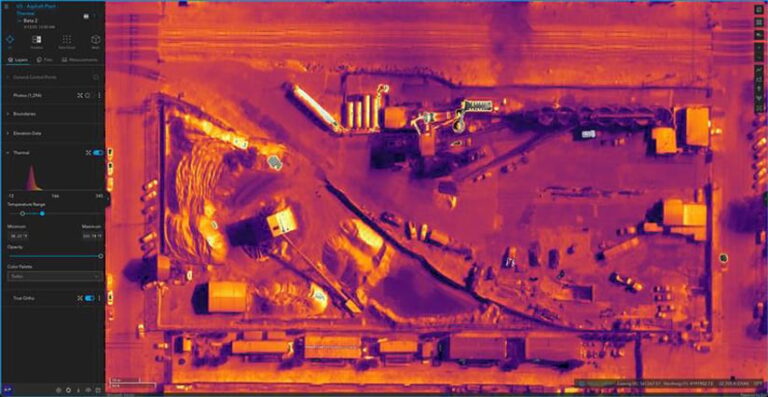
A: Understanding the ArcGIS suite is really important. It’s vitally important to be able to understand quickly why a drone is being flown in the first place, because that can determine which software to use. It could be ArcGIS Drone2Map, Site Scan for ArcGIS, ArcGIS Reality for ArcGIS Pro, or something else. And then there’s oriented imagery and full-motion video—which is the best approach? Also, having an understanding of how different wavelengths of light can be processed is important. A really common one is thermal, so knowing thermography is important.
Q: What emerging niches should new professionals explore?
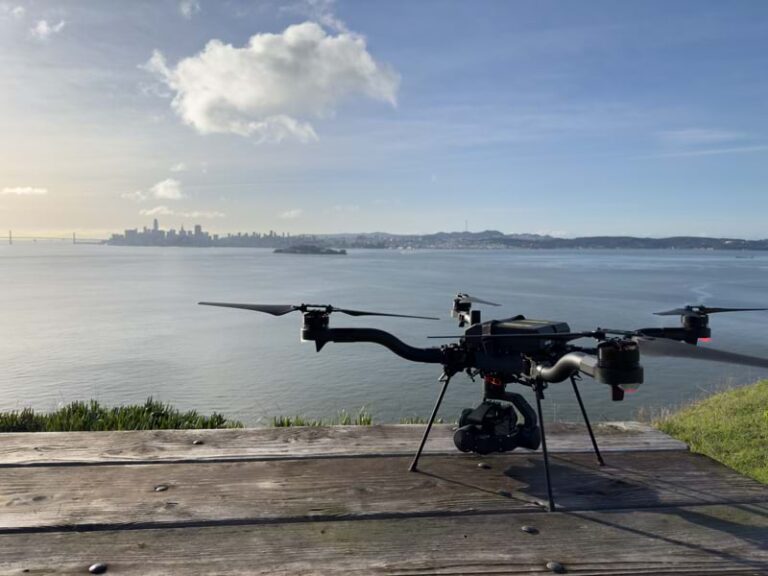
A: With the advent of Part 108 and FAA regulations changing with the technology, something that we’re seeing deployed across cities, construction sites, and utilities is drones in a box being used for autonomous data collection, with no human in the loop.
In many cities and in public safety, there’s a concept called “drones as a first responder,” which is putting drones in a box in several locations in a city, and if there’s an emergency call or an alarm somewhere, a drone goes out first to scope it out versus waiting for a person to drive there. This is starting to be deployed in every major US city, and you don’t need to be a police officer or a firefighter in order to be involved—they’re looking for individuals who understand drone technology.
Q: How can pilots stay current with technical advances and regulations?
A: It’s important to build out a network of people, because you can’t learn everything yourself. In the United States, the best professional organization is AUVSI, which stands for Association for Uncrewed Vehicle Systems International. Joining your local chapter will help keep yourself in the loop.
Also, keep an eye out for new data products like Gaussian splatting, which is a brand-new layer type in ArcGIS, or tools for mapping more complex features and not just flat ground. Esri is adding new layers all the time, and it’s important to know what these layers can do in imagery and remote sensing.
Q: What soft skills are crucial?
A: Curiosity is a really important soft skill because the technology is always changing. Safety is key, so you have to understand your own personal limitations. And communication will always be important because stakeholders don’t necessarily always know what drones can do or can’t do.
Q: How do you think drone-GIS integration will evolve, and what does this mean for careers?
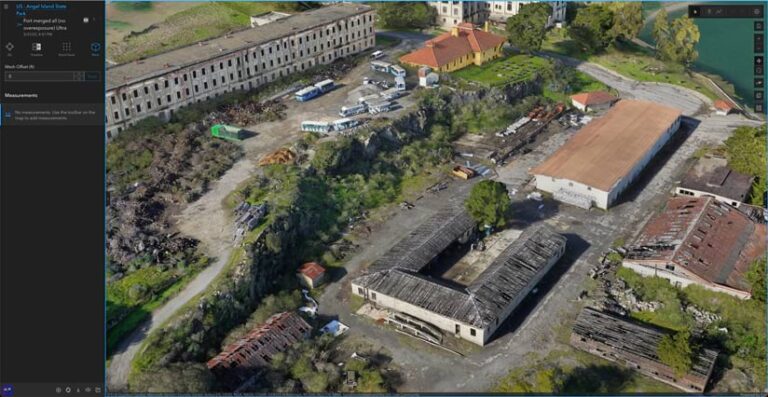
A: Drone technology is going to continue to get more autonomous and the sensors are going to become more advanced. So, as drones become more autonomous, less energy is going to be spent on how to fly a drone in order to get the data that you want, and more energy will go into what flight plans and sensors are required to get the end result. The new career opportunities will involve understanding workflows, knowing where AI can and can’t be helpful, and knowing how best to schedule and plan autonomous flights to get the best data for analysis.>
Q: What are some common misconceptions about drone piloting careers?
A: One is that drone pilots’ main job is to manually fly drones with a controller in their hands. That’s increasingly not the case. The majority of my time as a drone pilot is spent planning drone flights and understanding what’s the data I’m trying to get out of the project. I also spend a significant amount of time understanding regulations to make sure that the drone flight is legal, then handling data management after the flight.
Q: What final advice would you give someone starting a drone career?
A: It’s a rapidly changing field, and people are developing new ways of doing things all the time. Staying curious is important and so is staying humble, because you’re never going to know everything. This technology is really exciting, but it’s also important to stay levelheaded about what can and can’t be done with the technology.
The best way to increase your compensation or to be on the upper side of the salary band is to have a well-rounded set of skills. Organizations will pay top dollar for somebody who they can trust to not only manage the flying of the drone but manage the fleets, the data after the fact, and then to understand how the data will be used in the software that the organization uses.