

Looping video with slow views of Esri's tree-filled campus

Environmental and Sustainability Initiatives

A bold, black geometric icon features two overlapping squares with thick outlines.

A commitment to global environmental stewardship

Sustainability starts with geography

For more than 50 years, Esri has helped people make better decisions through a deeper understanding of geography. Awareness of how social, environmental, and economic systems are connected help our customers develop sustainable practices—and help us improve our own.

Habitat preservation

Jack and Laura Dangermond bought 24,364 acres of California coastline with The Nature Conservancy to protect unique habitats seen nowhere else.

Commitment to community

Esri’s 57-acre sustainable campus is locally active, sponsoring tree programs and educational initiatives and investing in local transit.

Building a better world, together

Esri is a founding member of the United Nations’ Sustainable Development Goals Data Alliance, fighting poverty and improving lives globally.

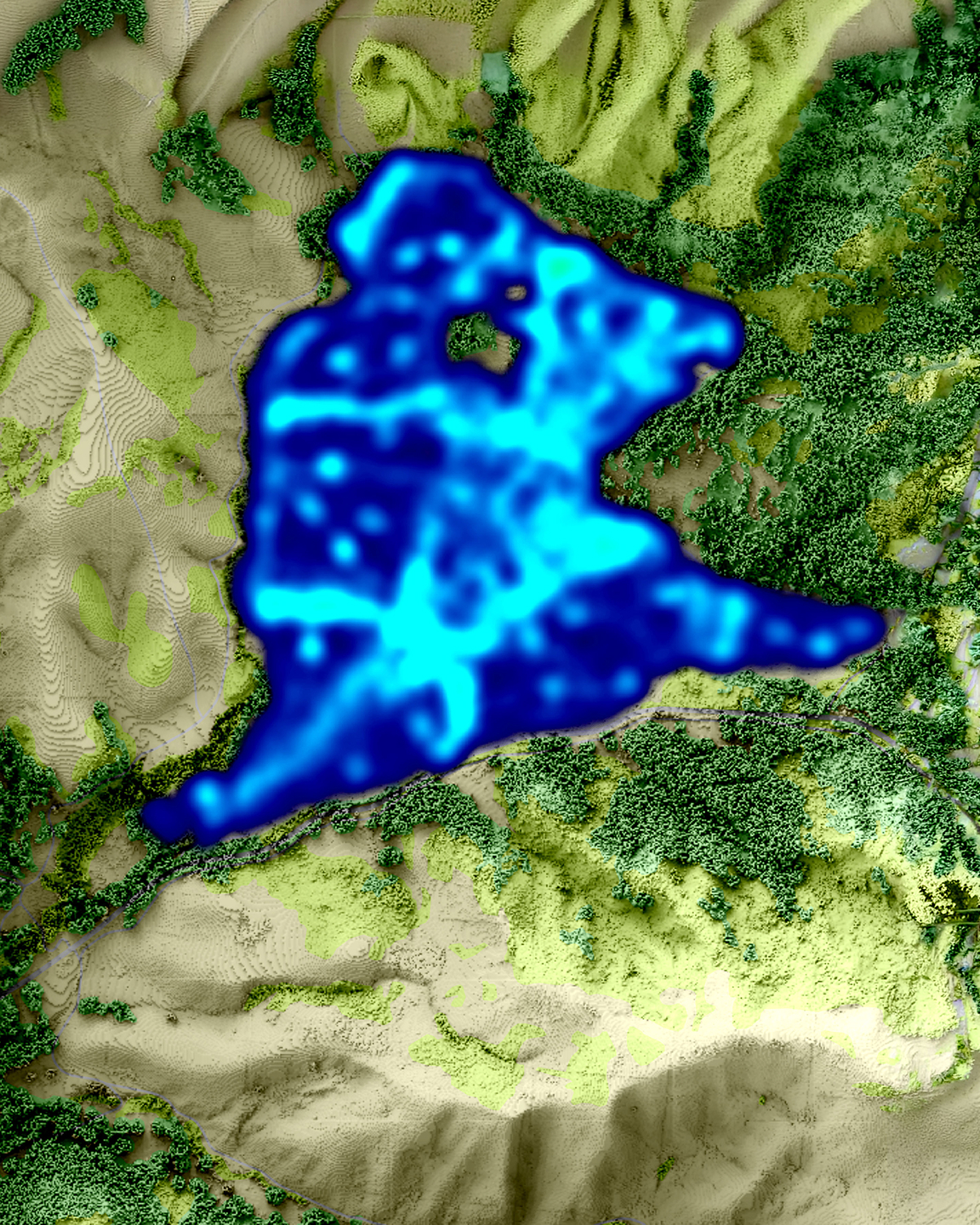
Rolling green hillsides under a bright blue sky, overlaid with a heat map of the oak restoration range in blue on green hillsides
A digitally rendered topographic map features a prominent, irregularly shaped blue heat zone at its center.

Oak restoration at the Dangermond Preserve

The Dangermond Preserve is restoring the habitats of the iconic oak by transforming 150 acres of former agricultural fields into oak woodland ecosystems, supporting and protecting a wide range of wildlife.

Guiding sustainability principles

Esri’s commitment to promoting a safe, healthy, and sustainable future for the planet is based on four guiding principles.

Previous
Next

Driving sustainability in operations, products, and community

As Esri’s business and campus expand, so has our focus on sustainable growth, including renewable energy, water conservation, and responsible resource management.

GIS for sustainability

ArcGIS helps tens of millions of GIS users solve environmental challenges every day. Whether it’s companies wondering where to plant crops and forests, cities seeking to learn how to increase livability for residents, or governments preparing for natural disasters to reduce impacts and keep people safe, they all have something in common. It’s GIS technology providing the answers to ensure a safe, resilient, and sustainable world for future generations.

Contour map in blues and greens

Technology and innovation

As a leader in innovation, Esri is committed to enabling users to develop GIS skills for a sustainable outcome, often through one of our partners. One example is our partnership with Microsoft, which integrates ArcGIS with Azure, Microsoft 365, and Power BI, making GIS accessible through AI and natural language interactions.

Our green software development often reuses models and resources and uses CodeCarbon to track emissions, empowering both specialists and nonspecialists to make sustainable, data-driven decisions.

Casually dressed person smiling at an open laptop in a sunlit home office, overlaid with a map display

Facilities and business practices

Esri’s newest campus building, Building E, exemplifies Esri’s commitment to sustainability with energy efficiency, water conservation, and waste prevention. Completed in 2021, it features heat-reflecting windows, zone-controlled HVAC systems to save energy, and solar panels producing over 1,300 kilowatts.

Esri’s sustainable business practices are led by top management with ethical vendor sourcing, paperless workflows, digital collaboration, and reduced discretionary travel. Employees are encouraged to take advantage of public transportation, ride-sharing programs, and carpooling.

A sleek glass office building surrounded by thick green landscaping

Energy savings and production

In the pursuit of sustainable energy generation and emission reduction, Esri’s Redlands campus has expanded to 9,264 solar panels, producing up to 3.1 megawatts of energy. This energy powers 70 electric vehicle (EV) charging stations on campus with rates 50 percent lower than public stations, encouraging EV use among employees.

Esri has also migrated most company vehicles to EVs, implemented sensor-controlled lighting and HVAC systems in buildings to save energy, and equipped new structures with energy-efficient windows and enhanced insulation—all part of our advancement toward a carbon-neutral future.

Closeup of two electric vehicles plugged into charging stations in a sunlit tree-lined parking lot

Water use

Maintaining headquarters in California requires meticulous water management. Esri’s investment in local nonpotable water infrastructure enables campus irrigation and soil aquifer treatment without using precious drinking water, contributing to the creation of carbon-capturing ecosystems.

Over 300,000 square feet of pervious surfaces allow runoff to recharge the aquifer, while the campus’s two underground chambers store rainfall. Smart irrigation sensors automatically shut down when rain is forecast to maximize water conservation.

Closeup of rows of small sprouting plants in brown soil

Waste management

Esri’s Recycling and Waste Management program promotes sustainable practices such as recycling, composting, and replacing single-use plastics with biodegradable materials.

E-waste, batteries, and toner are collected for proper recycling through qualified vendors, while functional equipment is donated to nonprofits and schools. The program encourages digital-first workflows to minimize printing.

A pair of hands tipping the contents of a small compost bucket into a bin

Employee and customer engagement

Esri’s success is driven by our employees and the communities of GIS users we support. 
Our employees are united by a sense of purpose and a desire to contribute to a mission to make the world a better place. Esri’s users share this purpose; using GIS tools to map our world, dedicated users of spatial data are doing the work needed today for a brighter tomorrow.

Two people discussing a shared laptop display in a sleek modern office overlaid with a small green and blue map

Carbon emission data disclosure

Esri is committed to operating sustainably as a responsible steward of environmental resources. Additional data regarding our energy consumption and renewable energy production is available in the 2026 Esri Sustainability Report.

Table 1-GHG emission by scope (mtCO2e)

FY24FY25
Scope 11006.71151.1
Scope 2Not includedNot included
Location based3642.53590.0
Market based3642.53590.0
Subtotal emissions (Scope 1 + 2 market-based)4649.24741.1

Resources

Explore Esri’s 2026 Sustainability Report and 2026 Climate-Related Financial Risk Report to learn more about Esri’s commitment to conducting environmentally sustainable operations and fostering a more resilient future.

Previous
Next

Contact Esri’s sustainability team

Our sustainability team is ready to answer any additional questions you may have about Esri’s commitment to environmental stewardship.

Contact us