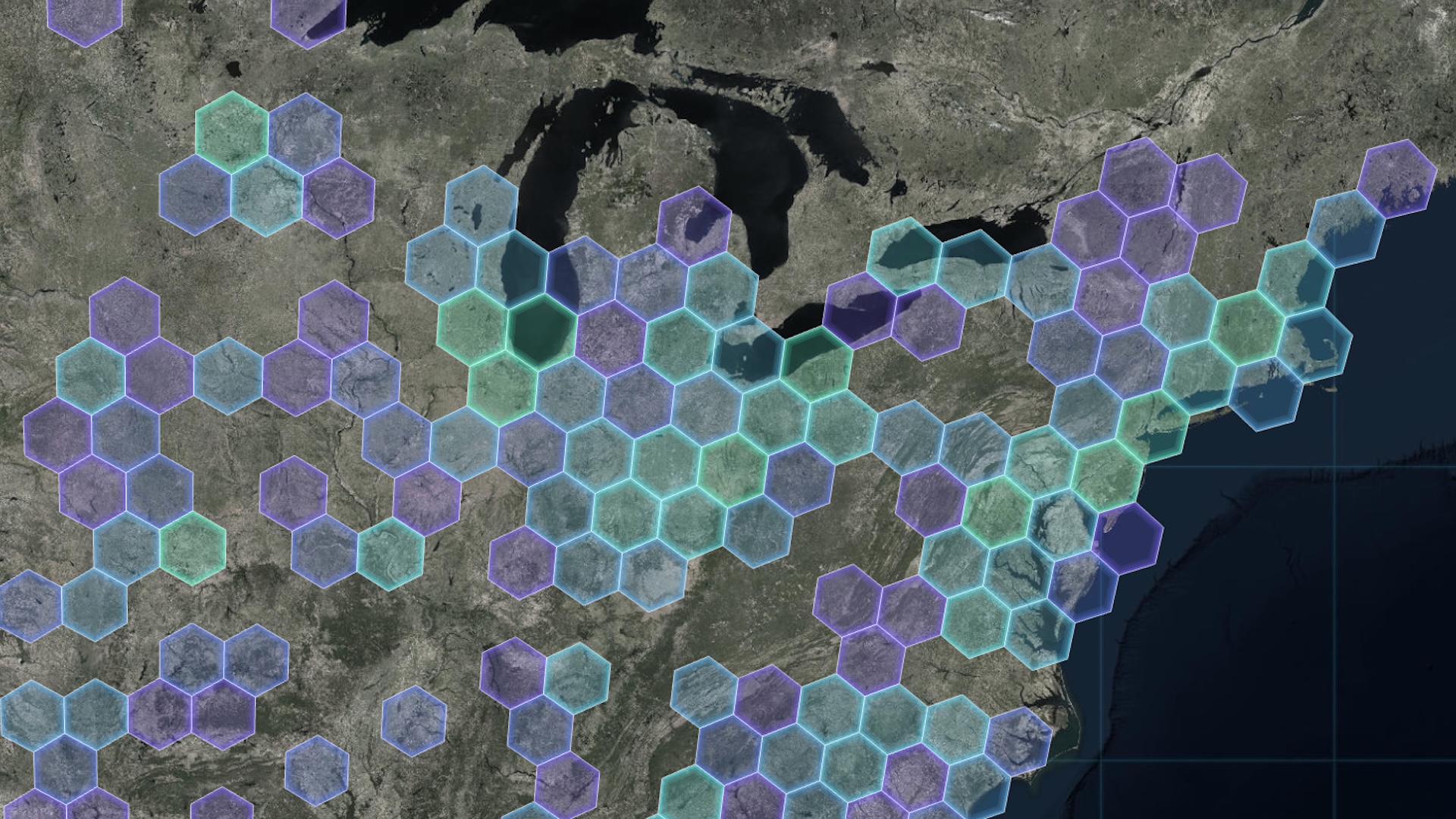
Map Use: Map Reading and Design, Volume 1, Ninth Edition
By Aileen R. Buckley, A. Jon Kimerling, and Patrick J. Kennelly
Maps convey as much about how people think and communicate as they do about the mapped environment. Map Use: Map Reading and Design, Volume 1, ninth edition, is a comprehensive primer on how to read and understand maps, design and make maps, and recognize their limitations and inaccuracies. Combining authoritative text with hundreds of stunning visuals, the book describes foundational cartographic concepts in the context of the industry’s latest innovations. Changes for the ninth edition include reindexing; revised datums, maps, and images; an updated map projection guide; a new state plane coordinate system; and updated text. An online glossary is also available. March 2026, 334 pp. Ebook ISBN: 9781589487765, paperback ISBN: 9781589487758, and hardcover ISBN: 9781589488816.
Top 20 Essential Skills for Imagery and Remote Sensing
By Thomas Humber and Jeff Liedtke
Top 20 Essential Skills for Imagery and Remote Sensing guides readers through key techniques needed to visualize, process, analyze, and manage imagery and raster products. The book contains concise chapters with easy-to-follow tutorials and practical examples. This is an approachable resource for users of all skill levels, from GIS professionals who want to deepen their understanding of imagery to students who are eager to learn about remote sensing. March 2026, 250 pp. Ebook ISBN: 9781589488229, paperback ISBN: 9781589488212, and hardcover ISBN: 9781589488731.
Security First: Geospatial Workflows for a Safe and Equitable World
By Darren Martin Ruddell and Diana Ter-Ghazaryan
Learning GIS has never been more critical for visualizing and interpreting data. Security First: Geospatial Workflows for a Safe and Equitable World guides readers through targeted exercises and examples to show how GIS can be used in the fields of human security and global intelligence. Each chapter outlines learning objectives, technical requirements, and prerequisite knowledge and includes a geospatial workflow, an analysis, and additional resources. All detailed exercises use ArcGIS software and downloadable data. After each exercise, readers interpret their results and write an intelligence brief, fostering critical thinking about how to incorporate GIS into analytical work. October 2025, 428 pp. Ebook ISBN: 9781589487840 and paperback ISBN: 9781589487857.