Effective media in storytelling does more than simply illustrate the narrative; it plays a crucial role in deepening and amplifying the story’s impact. Whether it’s through powerful images, compelling videos, or interactive elements, every choice of media should resonate emotionally with the audience, offer new perspectives, and align seamlessly with the tone and message of the story. It’s important to ensure that the media not only enhances the story but also invites exploration, engaging the audience in a way that fosters curiosity and deeper understanding.
It’s all about perspective
When sourcing media, prioritize authenticity over perfection—real, raw visuals often carry more weight than polished, staged content. A diversity of perspectives, such as a mix of close-up shots, wide-angle images, or candid moments, adds richness and depth to the narrative. Consider the context of the story, ensuring that the media you select is relevant and conveys the themes effectively, whether highlighting moments of triumph, struggle, or beauty.
User-generated content (images that you capture yourself) can also play an important role, offering a more relatable and personal connection to the story, while public archives and trusted image libraries provide high-quality, free resources that can further enrich the narrative. As you curate, aim for visual cohesion across all media, whether images or videos, to create a unified experience that guides the viewer through the unfolding story.
Make it emotional
When faced with multiple options, choose media that does more than capture a moment—it should evoke emotion, provoke thought, and enhance the journey. The right media not only complements the story but also amplifies its message, sparking curiosity and inviting deeper engagement. Ultimately, selecting the perfect image or video requires a thoughtful balance of emotional resonance, contextual relevance, and artistic intention to ensure it elevates the narrative, creating a compelling and immersive experience for the audience.
Make sure the media is sourced responsibly
The internet is full of captivating images, but most are protected by copyright and need permission or a license to use. Unauthorized reproduction, publishing, or distribution of copyrighted works is illegal. This is known as copyright infringement.
Copyright applies as soon as a photo or image is created.
To use copyrighted images legally, there are several options:
Public Domain is a creative work that is not protected by copyright.
Fair Use generally means the material is allowed to be used without permission when it is for a specific purpose that does not impact the value of the work. Most often fair use works are permissible when used for nonprofit education purposes. However, it is best to do your research here.
Creative Commons licenses provide a standardized way for creators to grant public permission to use their copyrighted work, answering the key question for users: What can I do with this?
Now that we have these images, what do we do next?
Case Study: The “Informal Settlements” Story
For an assignment exploring informal settlements and refugee camps, it was important to highlight their formation, challenges, and residents’ resilience. We had to find images that added depth and empathy to the narrative while also educating. Photographs had to tell the story of a place pinned on a map.
When choosing which image to use we aligned our choices with those that we felt best humanized this narrative.
Here are some of the photos used in the story and why we felt they were good to use. I’ll be comparing them with photos we decided not to use and explaining why those didn’t work as well for our storytelling needs.
More successful vs. less successful examples
Specific locations included in the article were:
Za’atari, a large refugee camp in Jordan.
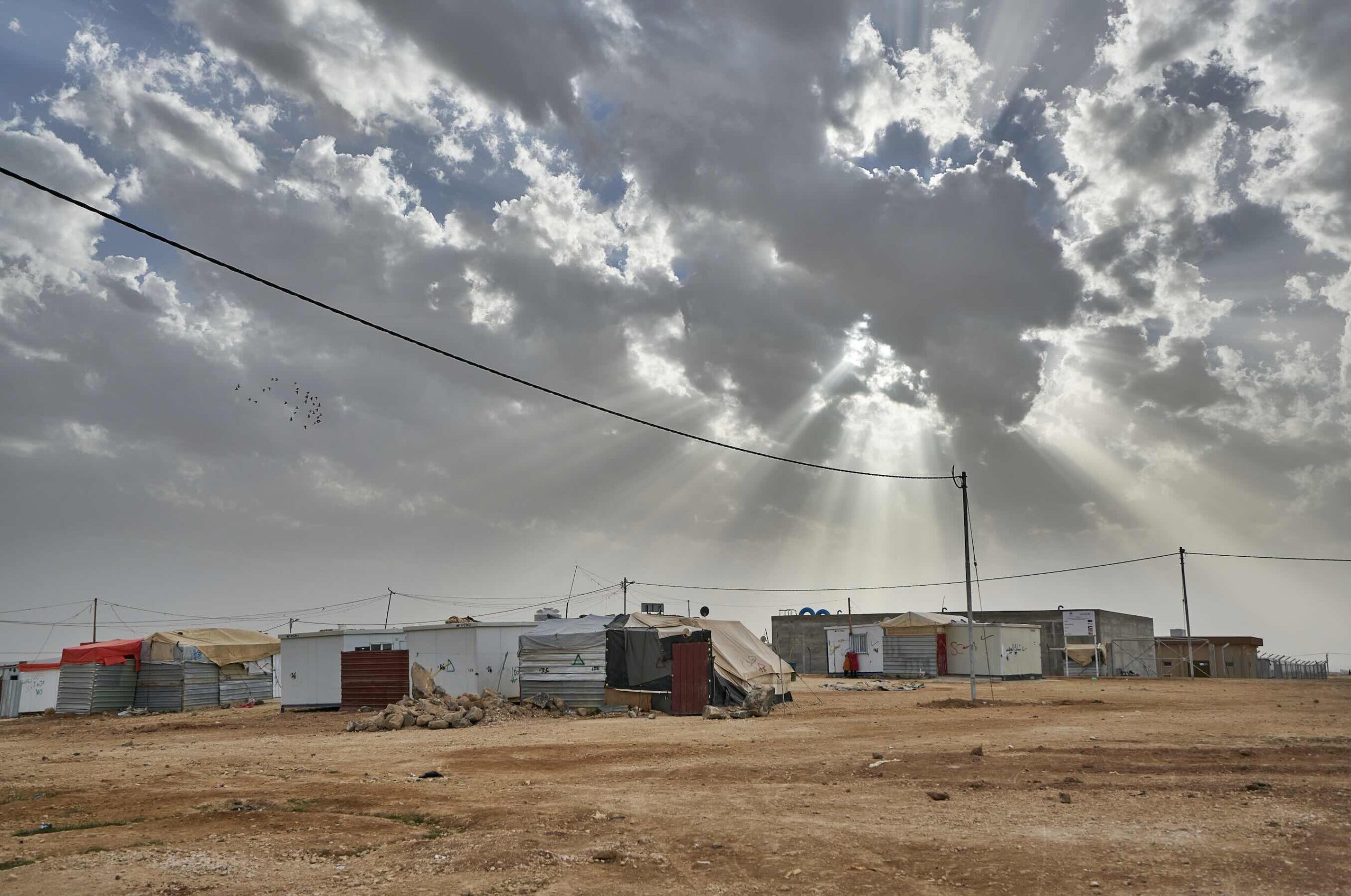

The story editor selected the first image because it depicts housing, aligning closely with the story’s focus on temporary settlements. In contrast, the second image conveys a different image—that of aid workers visiting the settlement.
Kutupalong, in southeastern Bangladesh, the largest refugee camp in the world.
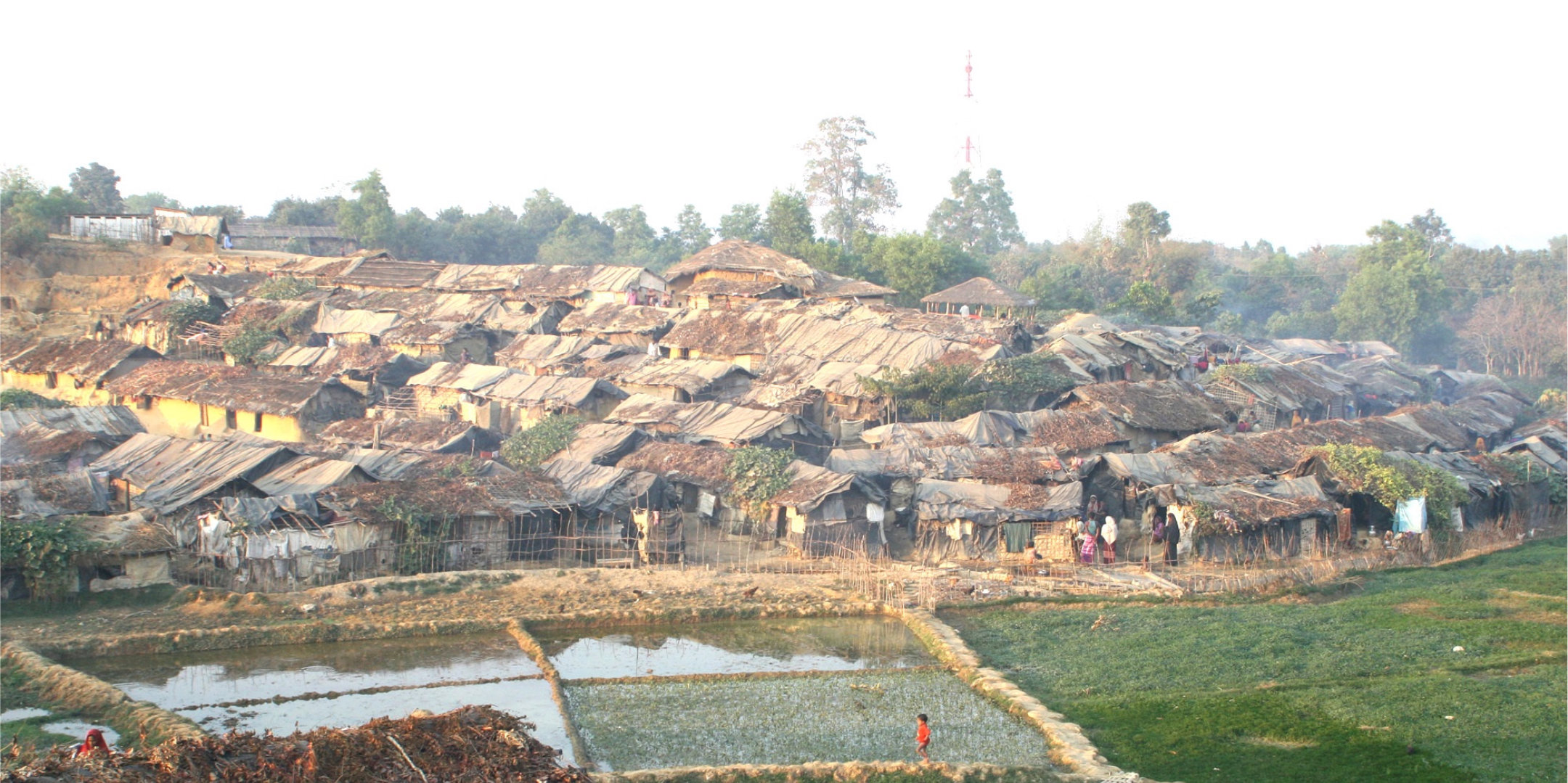

The story editor chose the first image because it offers a more comprehensive perspective, unlike the second shot which, while effective at conveying the human element gives no context to the settlement whatsoever.
Khayelitsha, a large and crowded area on the edge of Cape Town, South Africa.
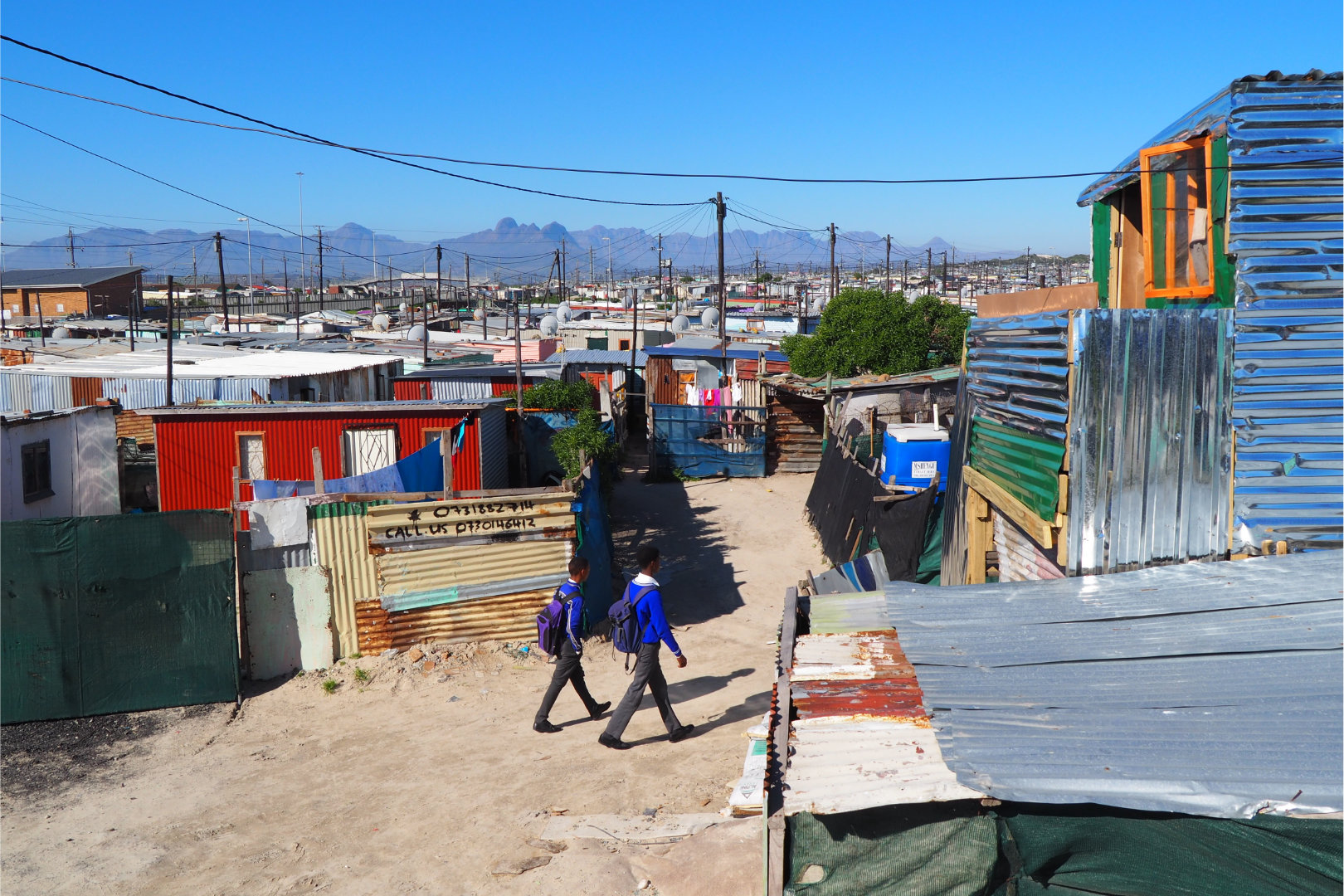
.jpg)
The story editor effectively uses the first image to highlight residents in action, while the second image lacks a clear connection to the narrative.
Best practices
Every image tells a story, and behind each frame is the vision and labor of a photographer. Proper attribution not only honors that creative effort it also upholds copyright law and reinforces the integrity of visual storytelling. In a world where images shape perception and understanding, giving credit where it’s due is essential to maintaining trust, authenticity, and respect for the craft.
Make your story equitable by incorporating accessibility best practices. The Web Accessibility Initiative offers helpful tutorials, while the Section 508 site provides practical how-to resources. For guidance and handling alt text for maps and complex graphics, Esri also shares valuable recommendations for using alternative text effectively.
This thorough blog covers everything from file types to modifying images in the builder—a guide to working with images in ArcGIS StoryMaps.
Maintain a record of all images used in your project. This can be done in a spreadsheet or document—whichever suits your workflow best. Key details to include are the image source and the corresponding credit information. You may also want to add captions, alt text, and other relevant data for easy reference.
For more information on how to properly find and use images in your stories check out this blog post.
Conclusion
When selecting media, it’s important to ensure that each image or video reflects your message and resonates with your audience. Choose trusted sources—whether from reputable platforms like Adobe or the Library of Congress. Respect licensing agreements to safeguard you and your organization/company. Above all, seek diversity, cultural awareness, and a deep connection to the story you’re telling. The media should not only capture attention but elevate your narrative with authenticity and clarity.
Prioritize high-quality visuals that remain true to your brand’s identity and ensure accessibility, whether through alt text or captions.
Resources
Adobe Stock – paid
Getty Images – paid
Unsplash, Flickr, Pexels, Pixabay
Library of Congress
Wikimedia Commons
Federal agencies (USGS, Smithsonian, National Park Service – but not all, read fine print…)
Museums:
Metropolitan Museum of Art
National Gallery of Art via Wikimedia
Getty Open Content Program
Visual storytelling: Bringing your narrative to life with an effective mix of photos. An inspiring collection of stories that exemplify visual storytelling.

Article Discussion: