
Looking beneath the surface, eliminating duplicates, obtaining more detailed information, or analyzing results often enables us to gain deeper insights; this principle is applicable to most spheres of life, and geocoding is no exception.
The ArcGIS Geocoding service has released three new capabilities of the service that will support greater accuracy and more insightful location-based decision-making.
Let’s explore these new capabilities:
Search Within
Strip malls, office buildings, convention centers, and apartment complexes all have one thing in common: they are single sites which typically contain multiple addresses. Often, it can be challenging for users of an application to discover specific addresses within those larger locations. For instance, how can an app user locate their favorite donut shop among a multitude of stores with similar addresses, or how can a logistics company using a geocoding-powered solution determine if more businesses or apartments exist within a given location?
Introducing SearchWithin, a new capability that enables developers to provide end-users with these types of insights.

With SearchWithin, developers can help individuals and organizations discover more about addresses, including locating all apartments or businesses within a particular building. This is made possible through a REST API parameter (searchWithin) for findAddressCandidates. When a request is made, the service returns a collection of places that are associated with the input address.
SearchWithin also supports finding more information about postal codes. In Great Britain and the Netherlands, postal codes can be used as input to generate a collection of addresses, sub addresses, and Points of Interest.
Let’s explore a scenario where SearchWithin’s ability to generate detailed information on postal codes could be crucial:
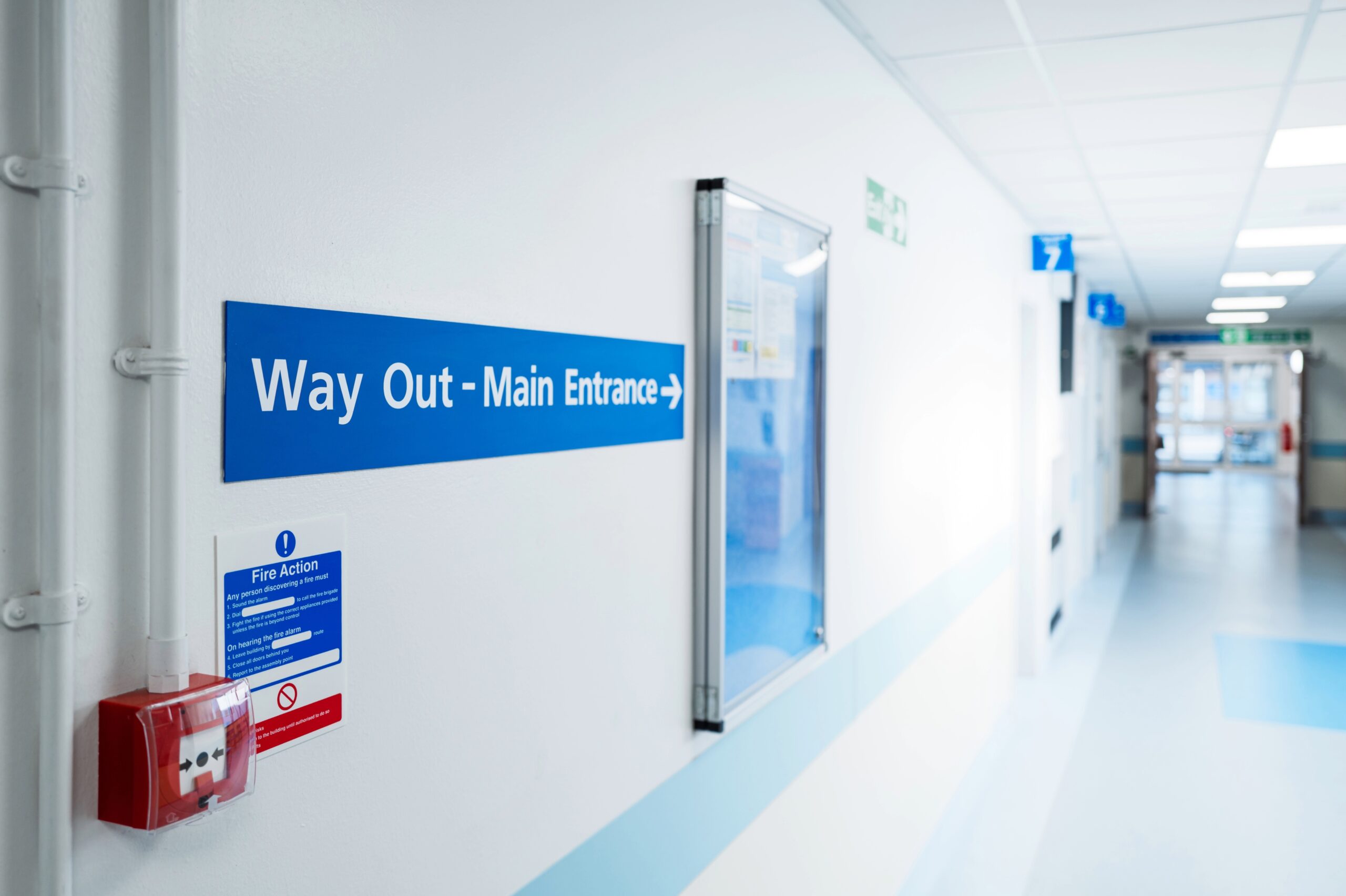
Say a patient walks into a clinic, seeking urgent medical attention. At the registration desk, a clerk will need to enter the patient’s home address into the Electronic Medical Record system before they can be seen by a triage nurse. For patients that provide a postal code (e.g., S1 4PQ), the clerk can access a list of potential addresses associated with that postcode. The SearchWithin capability enables developer-built solutions like EMR systems to generate this list of relevant addresses with the specified postal code, decreasing the wait time for a patient to see a provider and ultimately contributing to better patient satisfaction.
Whether it’s finding addresses within a particular location or returning all addresses within a postal code, SearchWithin presents a list of places found inside an address location. If the result list of candidates is large, SearchWithin supports pagination through the start and num parameters, making it easier to navigate the full list.
For more information about working with the SearchWithin parameter, please see here.
Match ID
Another newly released capability, Match ID enables developers to build custom solutions that support finding and eliminating duplicate addresses. This is available through a REST API parameter (MatchID) for findAddressCandidates.
Are these two addresses tied to the same location?
- Input address 1: 380 New York St, Redlands
- Input address 2: 380 NY Ave 92373

If you said no, you would be wrong because, while they appear different, they have the same Match ID.
- Match ID 1 : AQFV9QAAmeQBAJUBBAAAAAAMD05FVyBZT1JIFNUUkVFV
- Match ID 2 : AQFV9QAAmeQBAJUBBAAAAAAMD05FVyBZT1JIFNUUkVFV
Match ID values represent a unique address or place, and they are useful for finding duplicate entries in address data. End-users of developer solutions, such as insurance companies, can use the information provided through the MatchID capability to update addresses within their system, ultimately ensuring greater accuracy and enhanced risk assessment.

Developers building with the geocoding service can include an ID in a request to discover if the result for that ID has changed. For example, the address match may have improved from a Street Address to a Point Address. The reference data for the ArcGIS Geocoding service is updated at each release.
The ID for an address will typically remain the same across each release of the Geocoding service. However, it is essential to note that some properties do merge together or subdivide to create new addresses. When this type of change occurs, the ID value for the address can also change. For this scenario, developers can submit the original address to see if a new ID exists.
To learn more about working with the matchID parameter, please see here.
Match Narrative
The new Match Narrative capability provides detailed information about geocoding results. This is made possible through the REST API parameter (returnMatchNarrative) for findAddressCandidates.
Let’s explore a scenario where Match Narrative would be useful. A solution developed for a logistics company could present suggestions for addresses asking the end user if the address presented is accurate. For instance, it could say, “You typed in ‘5 Kent Dr’, seems like it should be ‘5 Kent Rd’, would you rather use this address instead?”
If the end user indicates that it should be 5 Kent Dr, the logistics company is then able to work on their geocoding processes to improve matches in the future.

Match narrative provides the story behind the geocoding experience. With the geocoding service, developers build solutions and applications that can help organizations improve geocoding output or support better address matching. In the case of the logistics company, this supports more seamless delivery and ultimately greater efficiency with their business processes.
The service response includes codes that provide more details about how the geocoding result was produced. Geocoding results can be filtered with various narrative codes. For a full list of codes, please see here.

If developers build a user interface for their audience, they can add logic to their application that highlights the address elements based on one or more narrative codes. This will allow them to design an enhanced experience for users.
In the future, this capability will also be added to Esri’s batch geocode methods.
To learn more about the Match Narrative parameter, please see here.
Additional Release Updates
Service Output Changes
A new output field, BldgComp, has been added to the responses for findAddressCandidates, and geocodeAddresses requests.
The field value describes an area, typically residential, composed of a collection of buildings representing multiple addresses.

Quality Improvements
Improved geocoding quality: With this release, the service provides improved geocoding quality, benefiting countries such as Brazil, Colombia, Croatia, Mexico, New Zealand, Spain, and Sweden.
Improved distance marker geocoding: Distance marker geocoding has been improved across the United States, supporting location reporting and enhanced emergency response.
Learn More About the ArcGIS Geocoding Service
Ready to explore the enhanced capabilities of the ArcGIS Geocoding Service? Click the link below for more information:
Additional Resources
For a detailed overview of the improvements in this update, visit our What’s New page.
If you have any questions or need software support, don’t hesitate to contact our dedicated support team. For further details on our data coverage, check out the ArcGIS Geocoding Service Data Coverage page.



Article Discussion: