Telling Stories with Maps: Lessons from a Lifetime of Creating Place-Based Narratives
By Allen Carroll
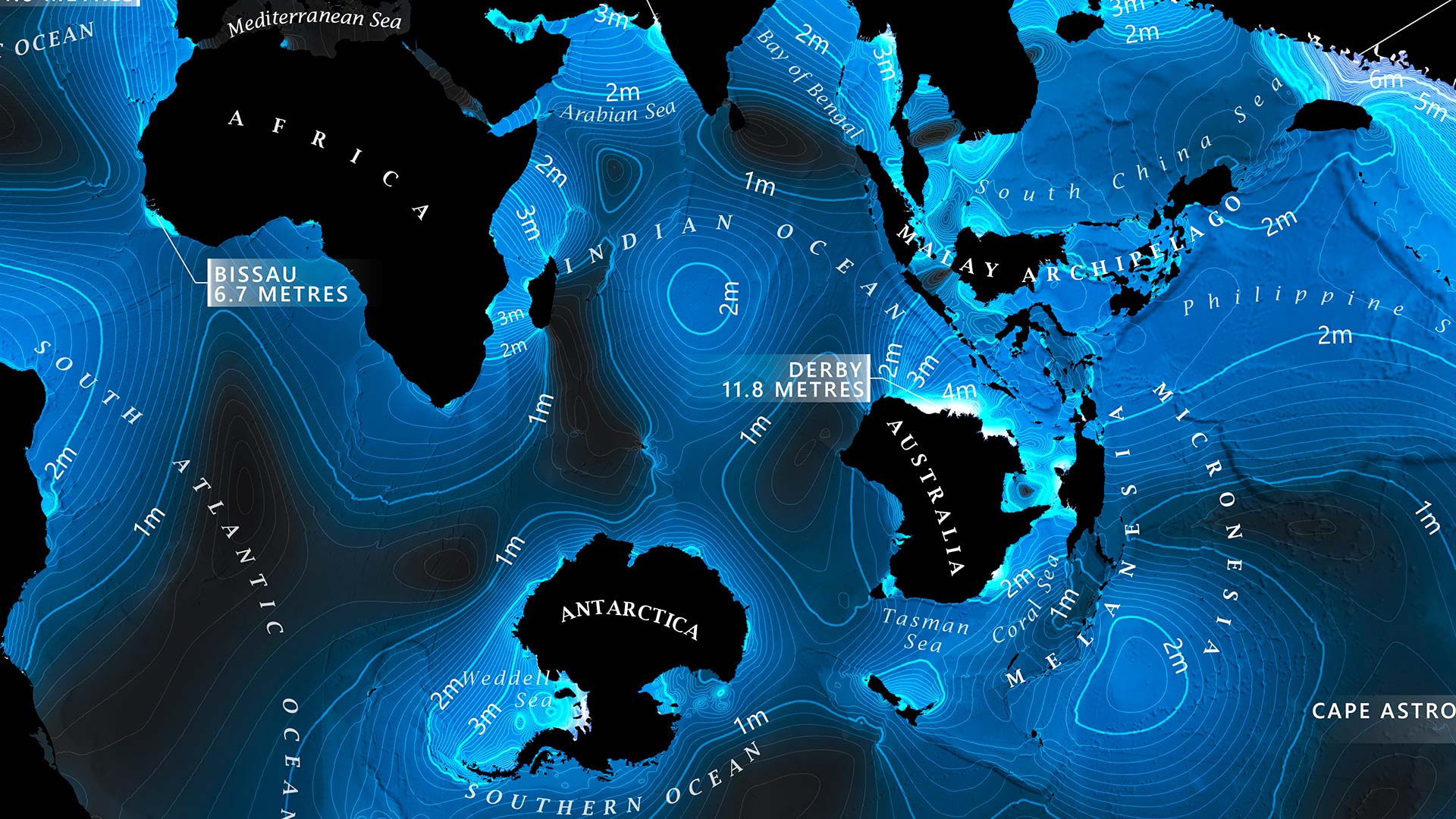
While humans have used maps for centuries—from scraping patterns in the sand to charting every place on Earth—the digital age has revolutionized the way maps are created, distributed, and consumed. The internet has enabled maps to interact with other multimedia elements, including photos, videos, audio, and text, to tell countless tales about the world. In Telling Stories with Maps: Lessons from a Lifetime of Creating Place-Based Narratives, author Allen Carroll—bringing his 27 years of experience working for both the National Geographic Society and Esri—showcases how maps tell stories and enrich narratives with context and insight. The book, which features a foreword by Lonely Planet cofounder and renowned travel writer Tony Wheeler, contains rich illustrations, with examples ranging from traditional maps to the latest digital visualizations. Readers will be inspired to produce place-based narratives that intrigue their audiences. June 2025, 244 pp. Ebook ISBN: 9781589487956 and print ISBN: 9781589487970.
Esri Advanced Guide to Python in ArcGIS
By Dave Crawford and Daniel Yaw
Are you ready to take your Python knowledge to the next level? Esri Advanced Guide to Python in ArcGIS teaches readers how to integrate Python with ArcGIS capabilities. With step-by-step tutorials that get increasingly complex with each chapter, authors Dave Crawford and Daniel Yaw teach readers technical and problem-solving skills that can be applied to job-focused assignments, including understanding client needs, performing market analytics, and managing ArcGIS Online organizations. Intermediate- and advanced-level programmers looking to enhance their GIS capabilities will be able to take the concepts outlined in the book and immediately use them in projects. June 2025, 268 pp. Ebook ISBN: 9781589488243 and print ISBN: 9781589488236.
Tactile Mapping: Cartography for People with Visual Impairments
Edited by Dr. Vincent van Altena and Dr. Jakub Wabińiski
While most people rarely think about their eyes’ capacity to capture the world around them, for many people, injuries, illnesses, aging, and other health issues hinder their ability to see and navigate their surroundings. When it comes to maps, assistive technology can only do so much and often can’t relay the nuances of a landscape, changes in elevation, or the presence of nearby bodies of water. This lack of geographic awareness makes it difficult for people with visual impairments to explore unfamiliar neighborhoods and gain a geospatial understanding of local, regional, and international phenomena. Tactile maps can be life-changing for people with visual impairments, offering them greater independence and inclusion. Yet much of the research done in this field has been inaccessible to a broader audience. Tactile Mapping: Cartography for People with Visual Impairments aims to bridge this gap by exploring the subject from a multidisciplinary perspective, illustrating cartographic theory with real-life case studies and user stories. A collaboration among skilled professionals, domain experts, and people with visual impairments, Tactile Mapping offers fresh insight from three perspectives: user experiences, scientific research, and practical implementations. The book offers cartographers and other geography practitioners new knowledge on the foundations and methods of presenting geographic information in more accessible ways. August 2025, 270 pp. Ebook ISBN: 9781589488366 and print ISBN: 9781589488359.