The May 2026 release of ArcGIS Reality for ArcGIS Pro introduces key enhancements designed to help users work more efficiently, improve accuracy, and accelerate production workflows.
This release focuses on reducing manual effort in ground control workflows while also delivering faster processing performance and new enhancements to Gaussian splats.
Take 3D realism further with enhanced Gaussian splats
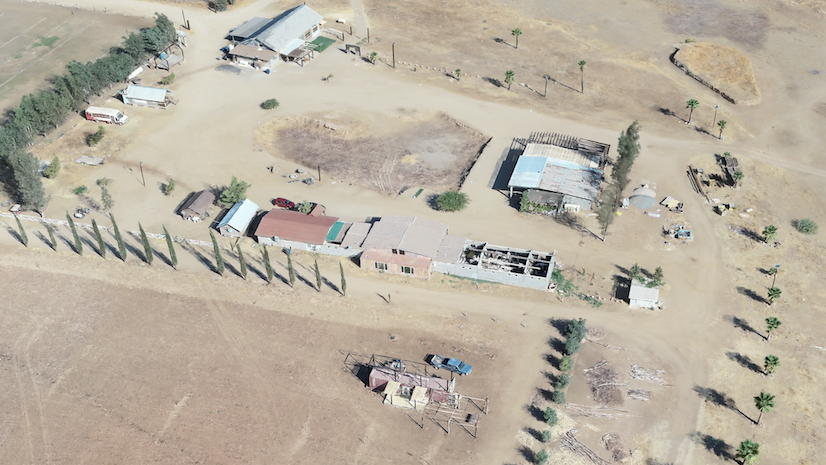
Gaussian splats continue to evolve as an advanced 3D representation, providing highly detailed and photorealistic outputs for complex environments. In this release, improvements in fidelity enhance the representation of thin structures, vegetation, and high-frequency textures, resulting in more accurate and visually rich models.
These enhancements strengthen the ability to capture real-world detail, supporting applications that require both visual realism and spatial precision, such as urban mapping, infrastructure inspection, and environmental analysis.
Streamline high-accuracy workflows with automated ground control
Working with ground control points (GCPs) is critical for achieving accurate results, but it can often be one of the most time-consuming steps in the workflow. In this release, ArcGIS Reality for ArcGIS Pro introduces enhanced automation that simplifies this process.
Users can now automatically detect and measure supported GCP and check point targets directly within input imagery. The software links these markers across multiple images without requiring manual input, significantly reducing the time and effort needed to tag controls. This improvement helps teams achieve high-accuracy outputs faster, especially when working with large datasets or under tight deadlines.
Expanded support for satellite imagery sensors
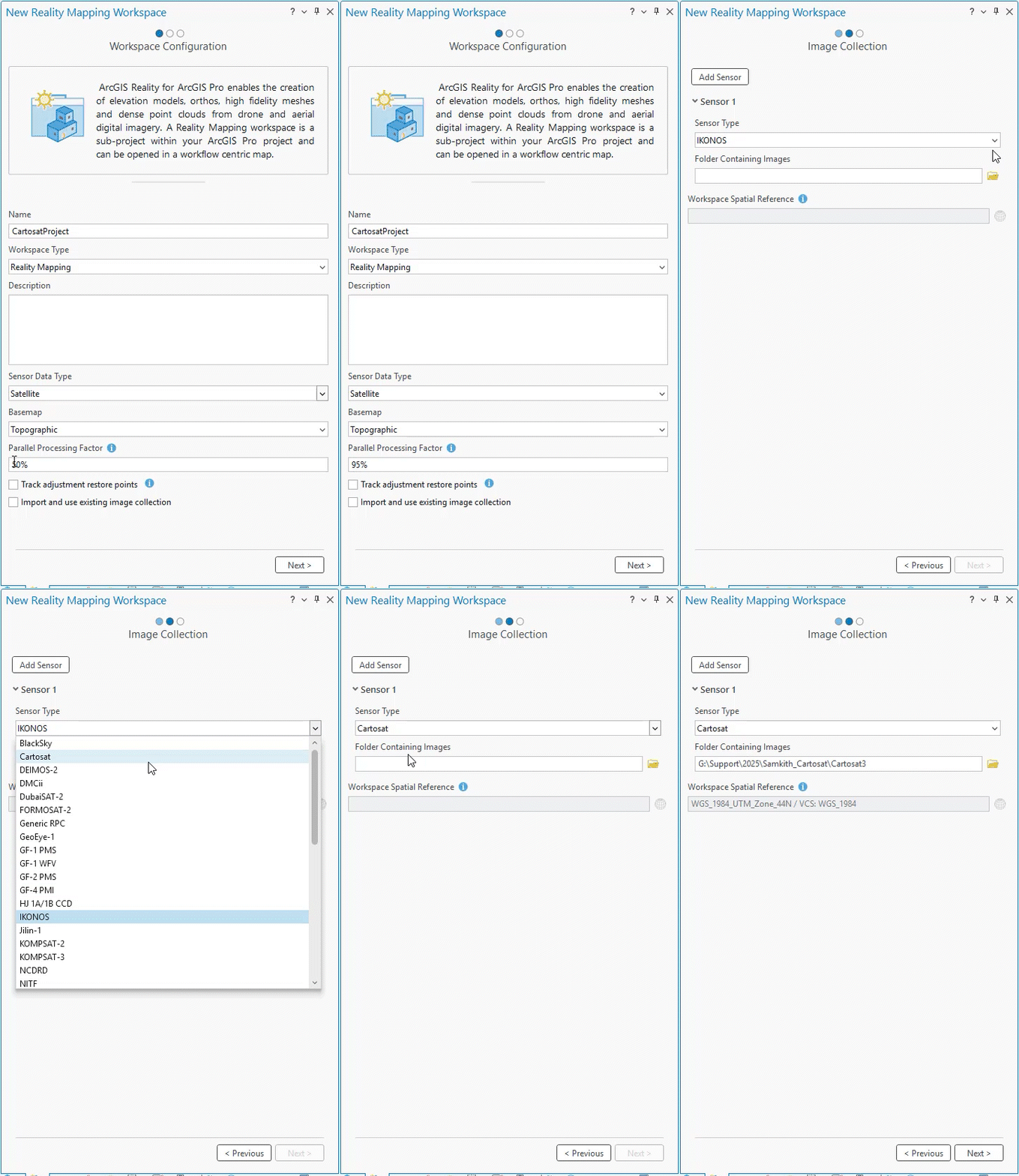
ArcGIS Reality for ArcGIS Pro now includes support for Cartosat-2 and Cartosat-3 satellite sensors, expanding the range of imagery that can be used for reality mapping workflows. The Cartosat series are Indian Earth observation satellites by ISRO (Indian Space Research Organization) used for applications like mapping, planning, and environmental monitoring. Cartosat-2 provides imagery at up to 1 meter resolution for urban and infrastructure tasks. Cartosat-3 features improved spatial detail with a resolution of about 25 cm, enabling advanced land use analysis and disaster management.
With this added support, users can generate reality mapping outputs from additional authoritative data sources, enabling more flexibility in how projects are executed and scaled.
A new way to license reality mapping workflows in ArcGIS Pro
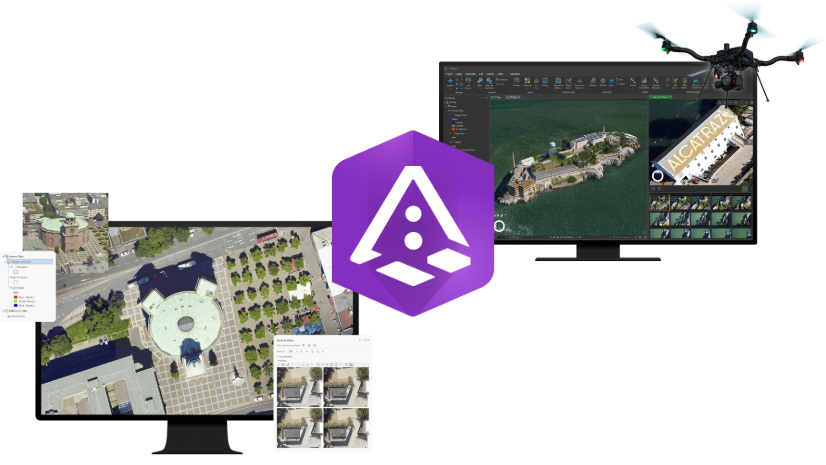
ArcGIS Reality for ArcGIS Pro is now accessed through the new Reality Mapping user extension, aligning it with a user-based licensing model across ArcGIS. Available with Professional and Professional Plus user types, this update expands access to desktop reality mapping workflows using drone, aerial, and satellite imagery.
Explore what this means for your organization and how to get started in this blog.
Produce accurate results, faster
The May 2026 release reinforces ArcGIS Reality for ArcGIS Pro as a powerful solution for accurate, high-quality reality mapping within the ArcGIS Pro environment.
With automated ground control workflows, Gaussian splat enhancements, and expanded satellite imagery support, users can reduce manual effort, accelerate production timelines, and confidently deliver high-quality outputs. Whether supporting mapping, planning, or monitoring efforts, these updates help teams move from imagery to actionable insight more efficiently.
Stay Connected
Dive deeper into the latest features in the ArcGIS Reality for ArcGIS Pro documentation, or join the ArcGIS Reality for ArcGIS Pro community to share ideas, ask questions, and stay connected with other Reality Mapping professionals.

Article Discussion: