“Give your story a hero.”
Whether it’s a human, an animal, a building, or something else entirely, incorporating a hero in your story is an incredibly effective storytelling technique that can help create an emotional and visual connection with readers.
This is especially important when considering that the maps we use to tell those stories rely on abstraction — a building becomes a point, a park a polygon, and a bridge a line. While this is necessary to convey complex spatial information, it can distance readers from the subject.
Why use 3D models
That’s where 3D models come in. Much like giving your story a hero, incorporating models of your subject can help move beyond abstraction to create a more engaging, immersive experience that pulls readers in.
With high‑quality 3D models becoming increasingly accessible through open collections like Smithsonian Open Access, it’s easier than ever to bring depth and dimension into your work by showing the real thing — or at least a real 3D model of it — in context.
So why does this matter for storytelling?
Boost engagement and curiosity
Readers are naturally drawn to content that feels dynamic and interactive. A scene with a 3D model invites exploration, enabling your audience to zoom, tap, and spin a scene to examine a structure or object from multiple angles.
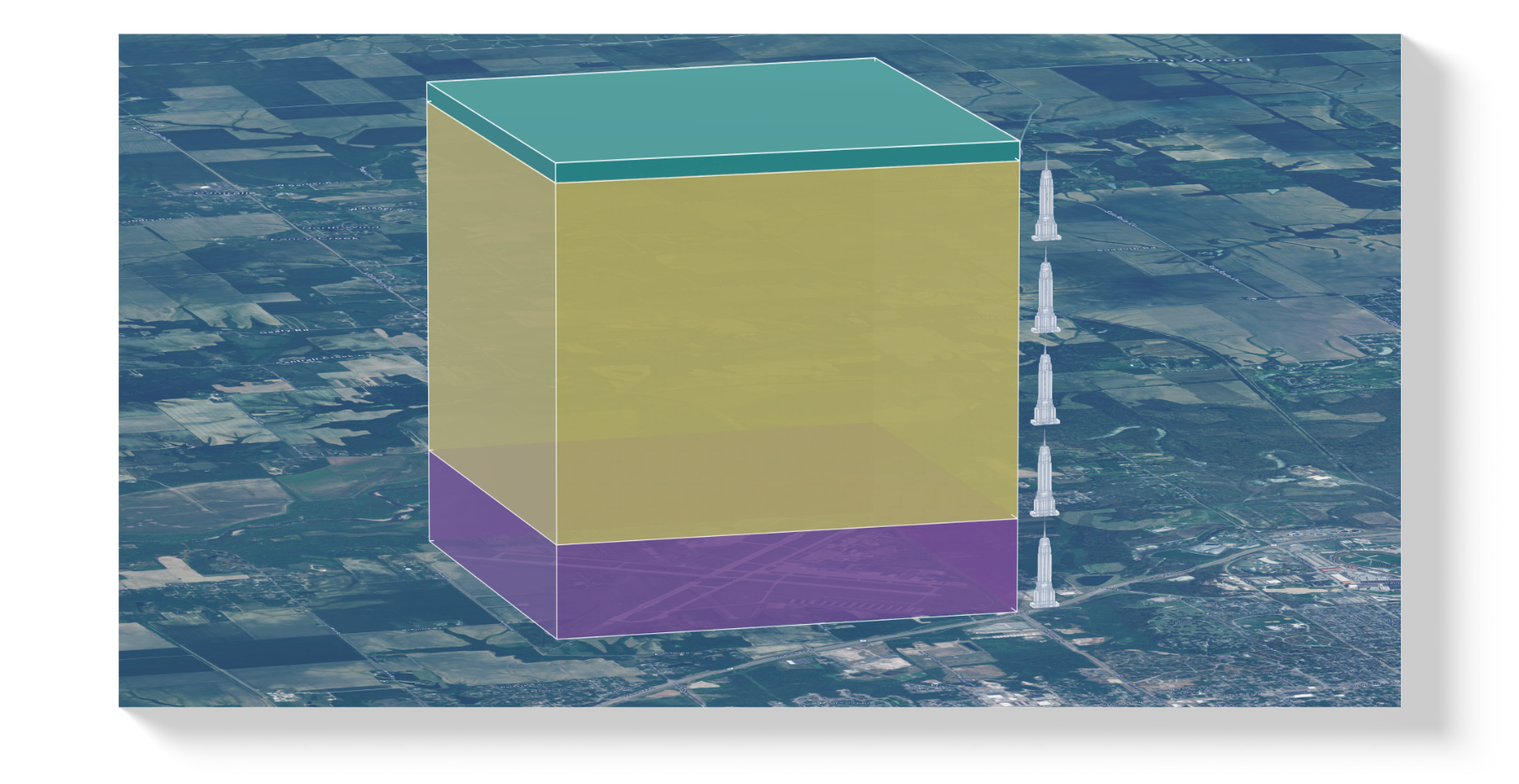
This interactivity can be further enhanced by the freedom that comes from incorporating 3D models. Since these models exist in a digital space, for instance, you’re free to make comparisons that would be impossible in reality.
Want to span the Grand Canyon with the Golden Gate Bridge?
Go for it!
Want to stage the Wright Flyer, Bell X-1, and Space Shuttle along a runway in a parade of aeronautical milestones?
You’re clear for takeoff!
These creative juxtapositions not only grab attention — they spark curiosity and keep readers engaged, making your story not just something they read, but something they interact with.
Provide context and scale
While creative comparisons of scale can be engaging, one of the strengths of using 3D models in a scene is their ability to convey size and relationships across all dimensions, as we experience the world.
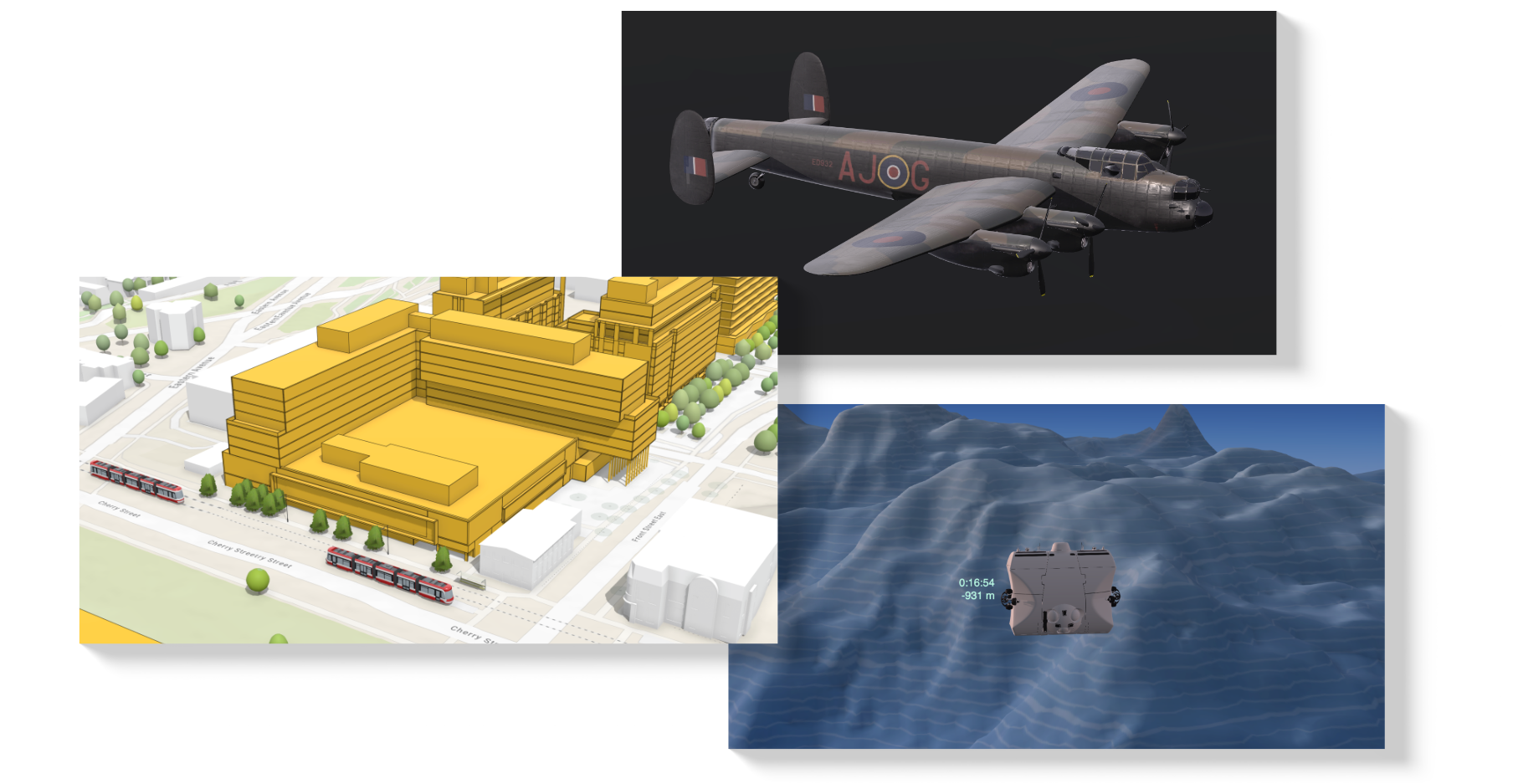
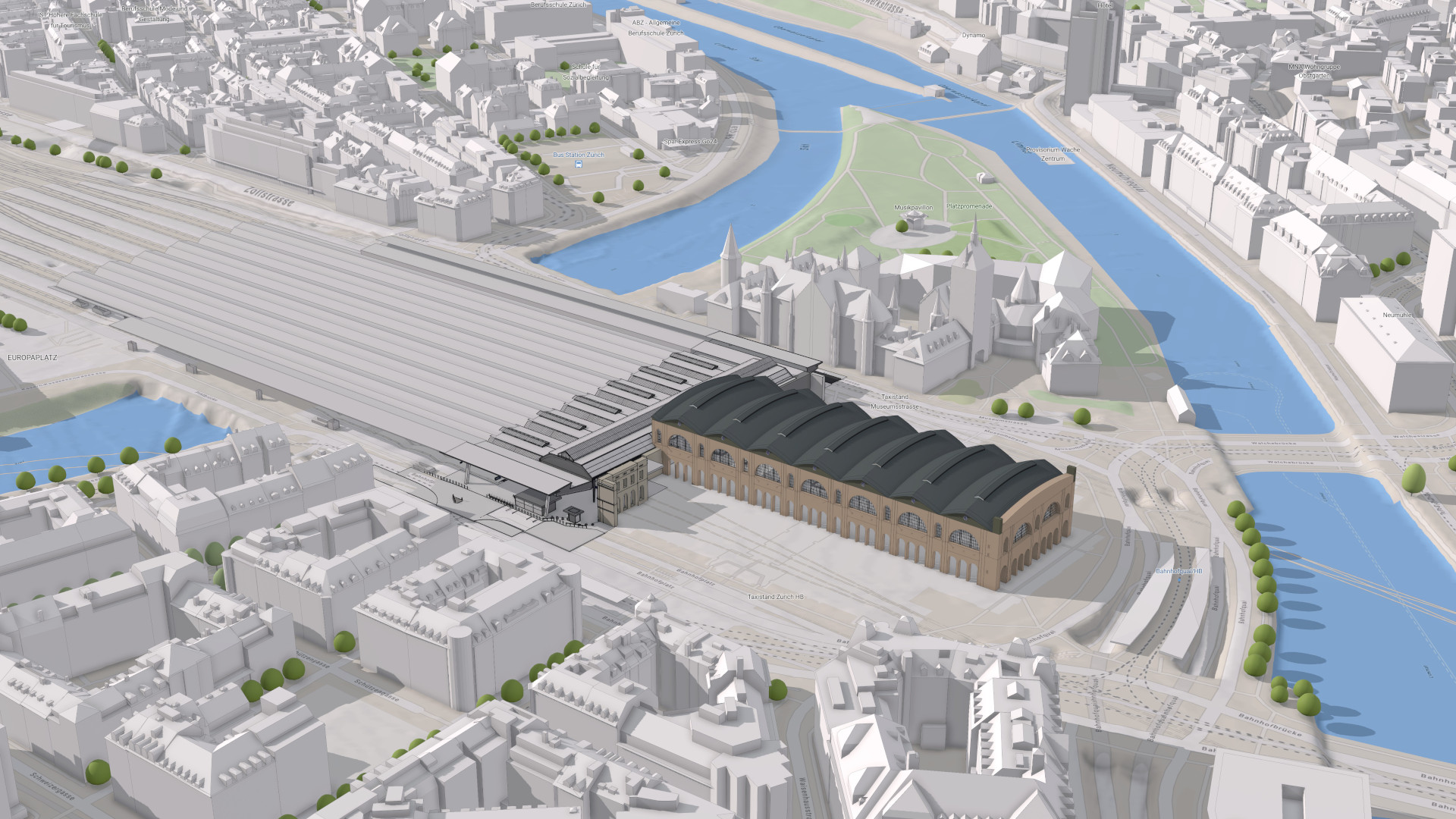
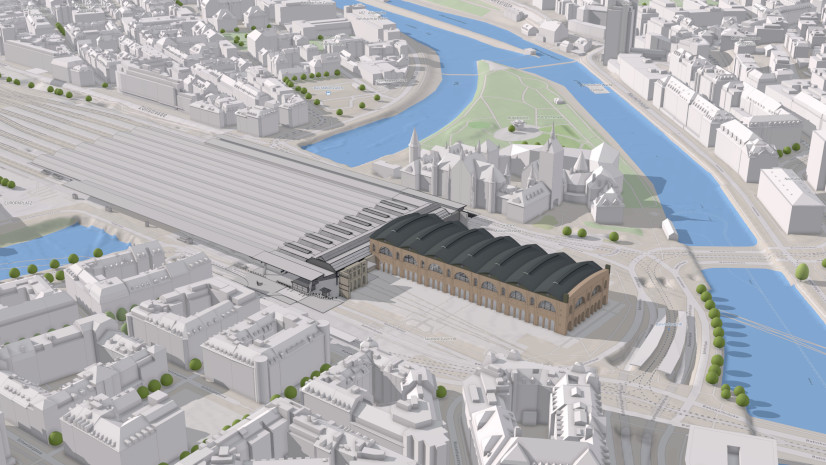
For instance, a map may depict the footprint of a proposed building as a simple polygon, but it doesn’t convey the structure’s form or how its design interacts with the surrounding landscape. Communicating these nuances is essential in the architecture and engineering industries. With 3D, readers can see these features in context — zooming in to appreciate architectural features or pulling back to understand how a structure fits within a neighborhood.
This added perspective transforms abstract data into something tangible, helping readers grasp not just where something is, but what it really looks like and how it relates to everything around it.
Stories:
Create an emotional connection
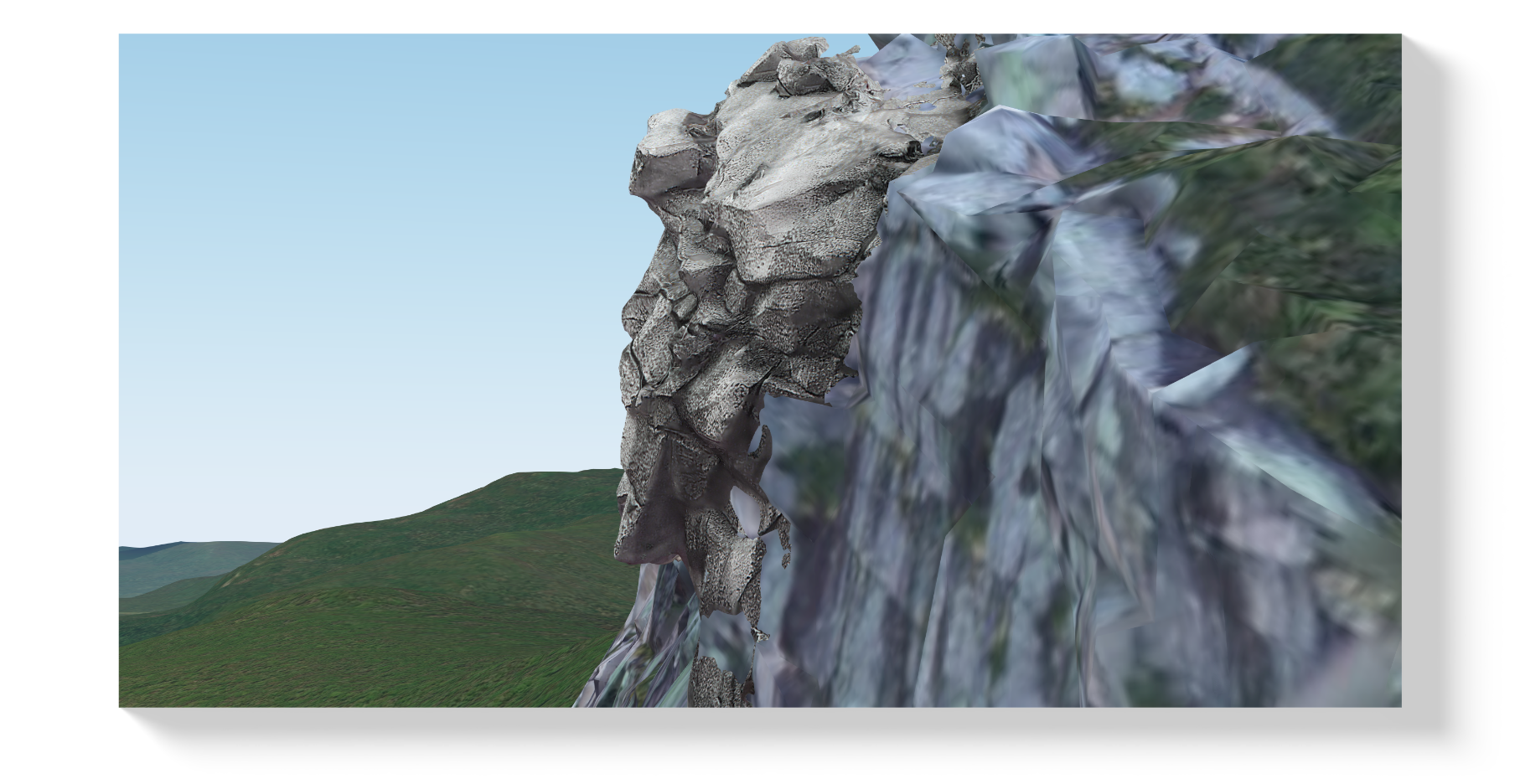
The subjects of our stories are often iconic and instantly recognizable — but when we present them in overly abstract ways, their resemblance can be difficult to discern or even disappear altogether. Depicting a famous landmark as a simple dot on a map or reducing it to a more generic 3D shape strips away the distinctive qualities that make it resonate with readers.
This loss of detail matters. It’s those recognizable features — the details, textures, and shapes — that contribute to a sense of familiarity and the basis of an emotional connection. Without that connection, the story becomes less compelling and the opportunity to truly engage readers slips away.
Clarity for complex subjects
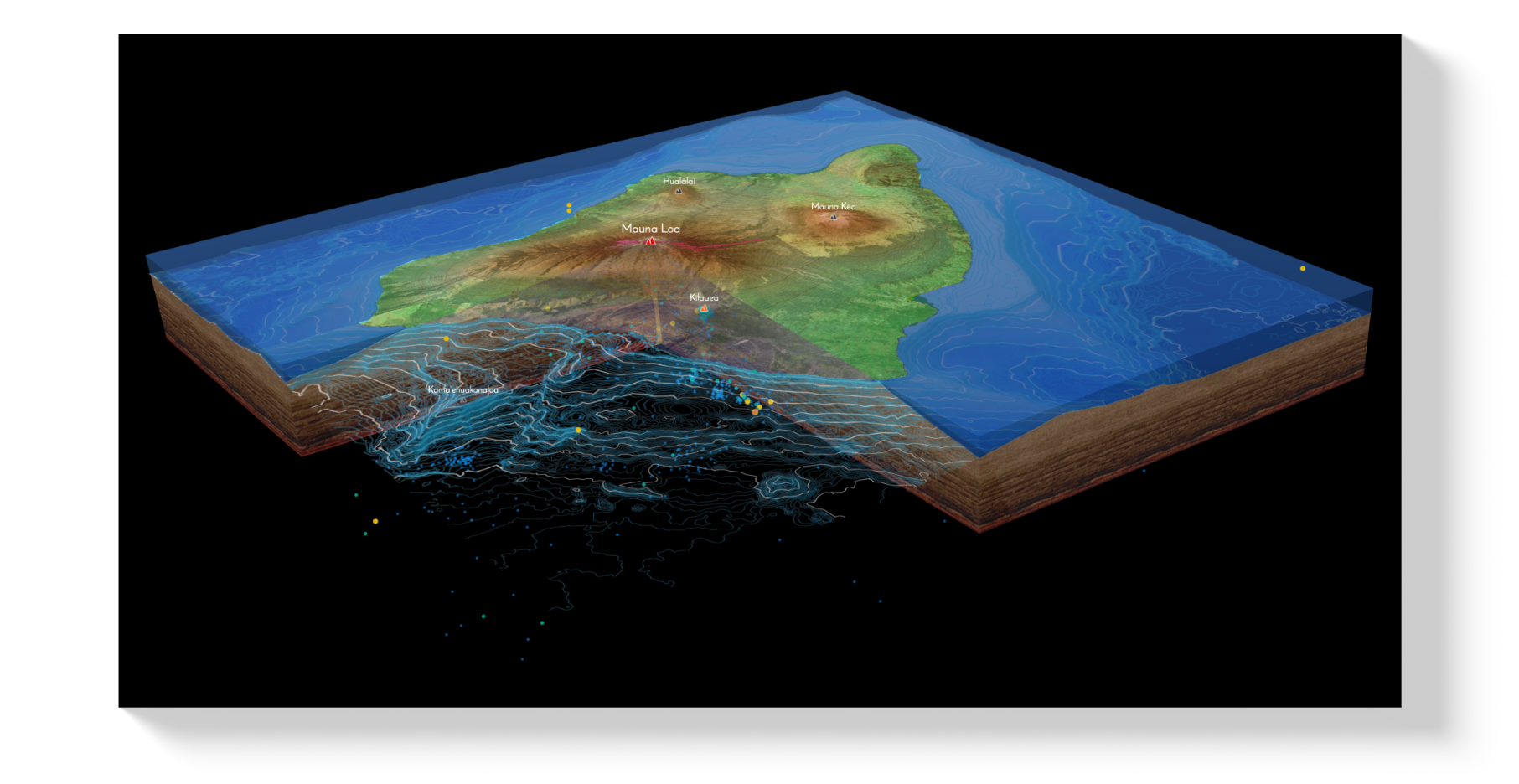
The details of the subject of our story can make them recognizable to readers, but they can also make them fascinating — think architecture, engineering, or historical artifacts. Exploring the 3D model of a building, aircraft, or skeleton in a scene showcases the details, giving readers the ability to explore every angle and appreciate the object in full context.
This level of detail not only informs but captivates, making your narrative richer and more immersive.
How to 3D
If you’re ready to bring a 3D model into your next story and wondering where to begin, this article is the perfect place to start. It walks you through essential file formats, shows how to publish directly from ArcGIS Pro, and even explains how to create an empty 3D object layer within ArcGIS Online.
Best practices
3D models can elevate your story — but only when they’re used with intention. Here are some best practices that can help ensure that your readers get the most from the 3D elements in your story:
- A 3D model should serve a clear purpose, helping to explain, illustrate, or emphasize a key point rather than appearing as decoration.
- A 3D model without explanation can feel like a gimmick. Use captions, annotations, or accompanying text to tell readers what they’re looking at and why it matters.
- Large or overly detailed models can affect performance. Simplify geometry and textures, and test your story across different devices to ensure smooth interactions.

Article Discussion: