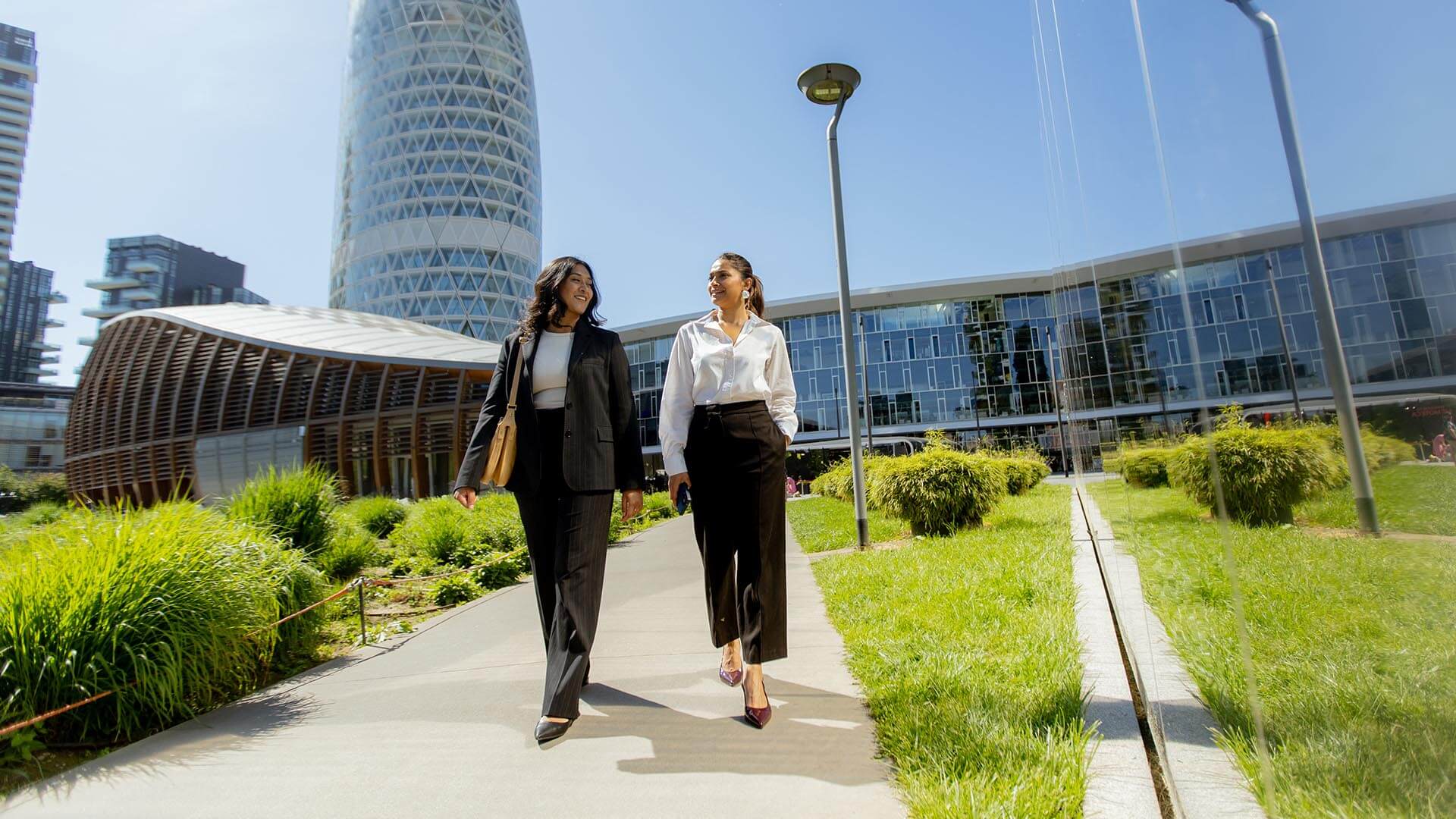
Watching Europeans stroll through parks, plazas, and tree-lined streets, an American professor began to wonder whether the US was approaching nature all wrong. In the states, outdoor leisure is sporadic. Overfull schedules and concrete sprawl have robbed people of the benefits of green space.
Drawing on a growing body of research, University of Richmond professor Todd Lookingbill argued in a recent op-ed that regular exposure to nature lowers stress, improves mood, prompts better sleep, and reduces the risk of certain chronic diseases. Sporadic exposure won’t cut it—it must be consistent for the benefits to appear. His advice: Stop treating nature as something you visit on vacation and start looking for ways to incorporate it into your daily life.
For executives and corporate space planners who want healthy, productive employees, that might mean giving more thought to green space when planning the workplace.
Where’s the Nearest Green Space?
Proximity is a key tenet of Lookingbill’s argument. Executives hoping to reap productivity gains from nature (as much as a 6 percent boost, according to one study) must either bring employees to nature or bring nature to employees. Both techniques demand location awareness.
The software used for corporate site selection—geographic information system (GIS) technology—helps planners navigate a mix of business priorities. GIS analysts routinely create maps highlighting business locations that are accessible to commuters, close to lunch spots, within budget, and attractive to top talent.
With a new layer added to that analysis, planners can see how close a location is to parks, trails, tree-covered walkways, and other opportunities for everyday nature encounters.
Modern GIS technology provides access to detailed maps of green space, allowing decision-makers to view a location’s nature score against other site selection priorities.
Designing with Nature in Mind
Businesses with existing properties may be interested in opportunities to bring nature to employees. A rooftop garden, planted courtyard, living wall, or greenery near indoor common spaces could make a property more attractive to employees.
As landlords for thousands of corporate properties, commercial real estate firms often partner with architecture and engineering firms to explore design scenarios. Using GIS-based 3D simulation and building information modeling technology, planners can see what a rooftop garden, planted courtyard, or green plaza would look like at an existing property.
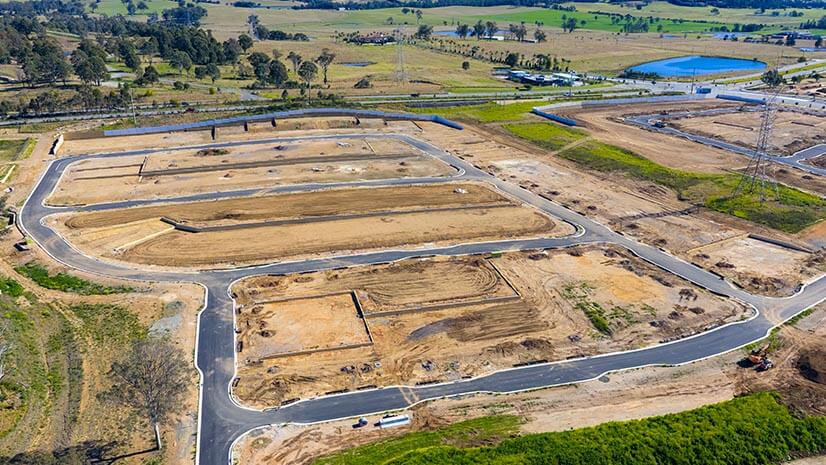
The GIS capabilities used to model major infrastructure projects—like thousands of new housing units in Uppsala, Sweden—can be applied to a single office building. With location-aware 3D technology, office planners can simulate the introduction of green elements into any kind of workplace—and steer site selection for tomorrow’s locations.
In any city or corporate environment where green space is an afterthought, business executives may be leaving productivity gains on the table. When nature is no longer simply a vacation indulgence or a weekend pursuit but a feature of daily life, employees and companies stand to benefit.
The question is no longer whether green space matters, but how business leaders can harness technology they already use to bring nature back into the equation.
The Esri Brief
Trending insights from WhereNext and other leading publicationsTrending articles
December 5, 2024 |

January 11, 2024 |
May 26, 2026 |
September 22, 2026 |

October 6, 2026 |

April 7, 2026 |