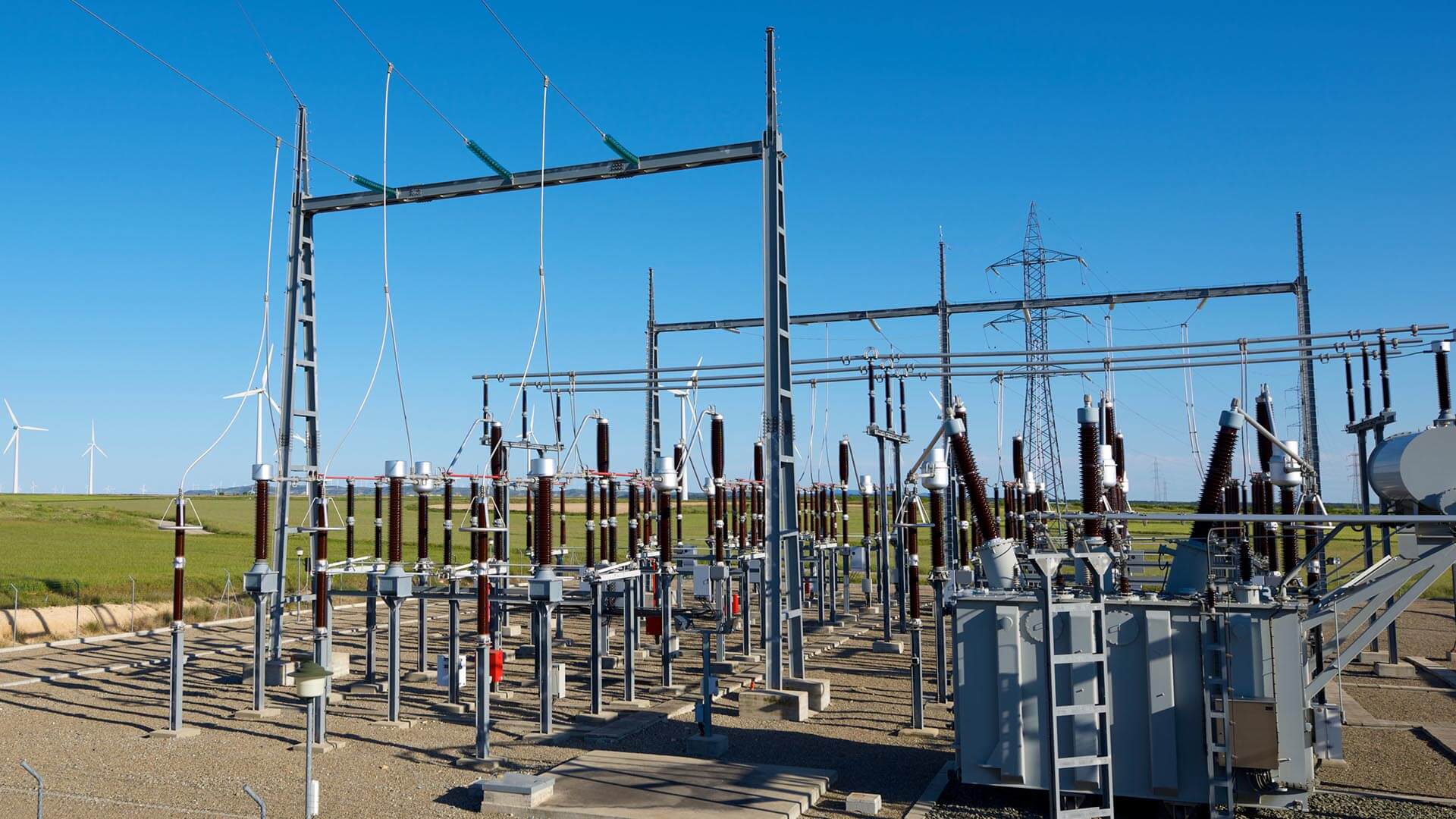
Recent news out of the energy industry could play a small role in addressing a big challenge: how and where businesses get their power.
A company in Florida and another in California have created new methods for installing solar panels on rooftops, avoiding the weight and hazards of some traditional methods.
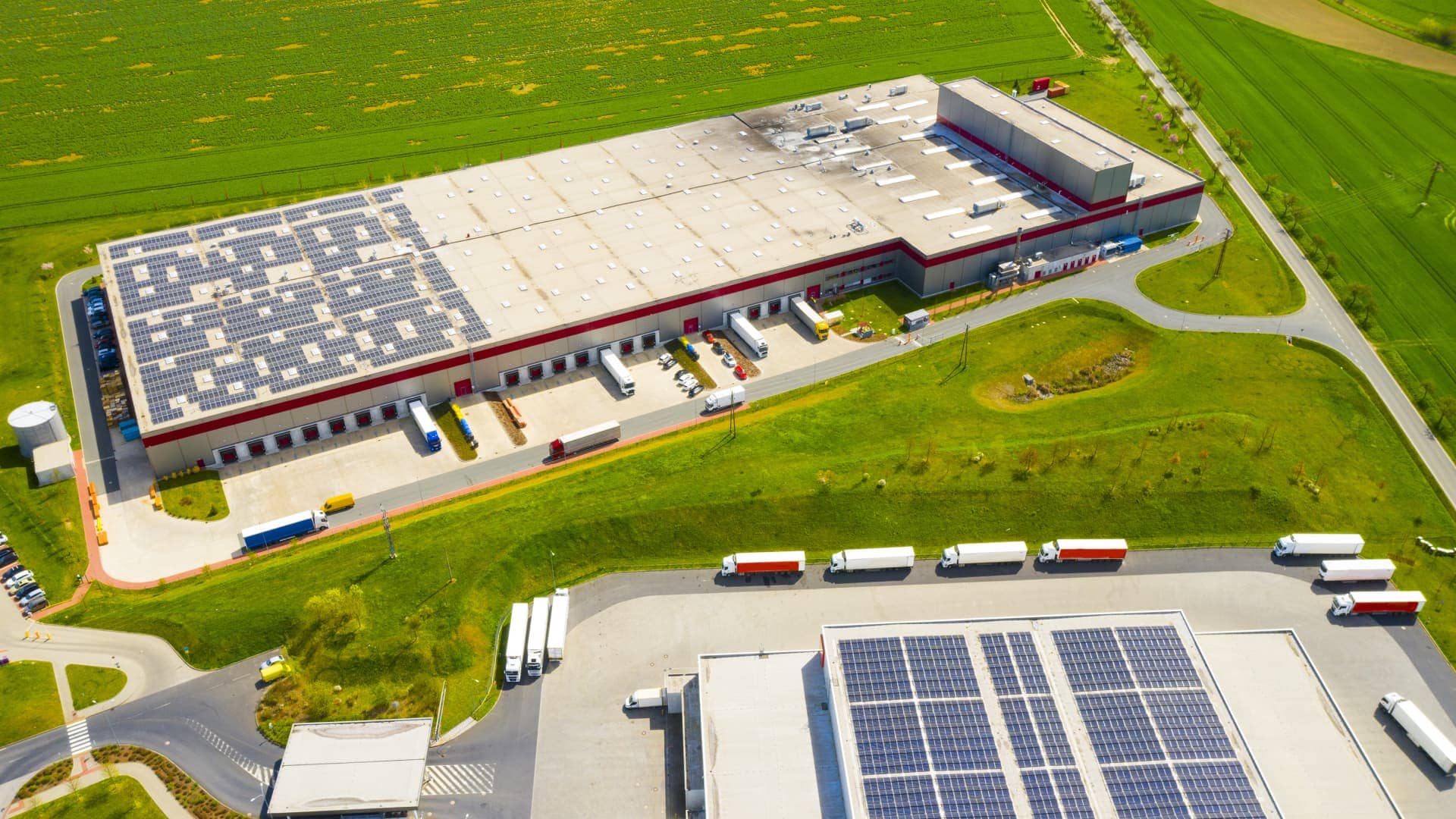
That and other developments could change the energy potential of commercial and industrial buildings, many of which have prairie-flat roofs.
Last year, two solar companies announced they would install 630 megawatts of solar power on the rooftops of more than 500 commercial and industrial buildings. It would be the largest rooftop solar installation in the US when finished, according to the Wall Street Journal.
With electricity demand expected to grow 39 percent by 20351, executives are exploring all options to power their operations. But achieving solar success depends as much on geography as it does on breakthroughs in rooftop technology.
Is Solar Potential Taking Up Available Space?
While land for ground-based solar projects can be hard to come by, commercial rooftops are plentiful and often undeveloped.
Solar installations can provide revenue or reduce costs, since owners can rent space to a solar developer who sells the power and shares the proceeds, or own the system and enjoy lower electricity costs. A plywood factory in India’s Uttar Pradesh region recently commissioned a rooftop solar project expected to save the company more than $100,000 annually in electricity spend.2
Environment America, an environmental research and advocacy organization, estimates that the more than 450,000 warehouses in the US could power over 19 million average American homes when topped with solar panels.
But not all roofs, locations, or geographic circumstances are the same. Commercial building owners and energy developers interested in the solar potential of their structures can take lessons from those who have installed solar above parking spots, on interstate rights-of-way, and anywhere else the sun may shine.
The effort often begins with a map.
Chasing the Sun with Spatial Analysis
If some companies are looking up for new electricity-generation options, they may want to look well above their rooftops for guidance on whether solar makes sense.
Satellites snap frequent, high-resolution images of the earth, creating a record of conditions around the world. Technology called a geographic information system (GIS) ingests such data and uses AI models to identify buildings, parking lots, existing solar panels, and other real-world objects.
For one consultant working on a solar parking lot project, these pretrained models saved 20 hours per week that would have been spent on manual classification.
GIS-based analysis can help business executives understand their options. A company that operates a dozen distribution centers, for instance, might want a quick read on solar potential. GIS analysts can open the company’s operational basemap and ask an AI chatbot to show how many cloud cover days each site receives per year, revealing the locations with significant solar potential.
For deeper assessments, analysts can leverage GIS to precisely calculate the size of roofs, use a solar radiation modeling tool to test how much sun a site receives, and review local incentives, regulations, and proximity to transmission lines.
Calculating the Return on Investment
Some innovative cities have taken the initiative to analyze solar potential. One Croatian municipality built a solar assessment app allowing anyone to click on a building, discover the monthly electricity costs, and predict how large a solar system would be needed to cover those costs. The app makes investment calculations and predicts costs—even estimating the total profit a system will generate by the end of its life cycle.
As organizations search for new ways to satisfy rising electricity demand, commercial rooftops are emerging as sites where unclaimed space can give way to revenue-generating or cost-cutting energy.
Finding the rooftops that make the most financial and environmental sense for solar requires an understanding of location-specific conditions. With modern technology, that potential is getting easier to spot on a map.
Citations:
- “Electricity demand growth: How will the grid keep pace?” ICF
- “Kanpur Plywood Factory Hopes to Save Big on Power Bills with Rooftop Solar,” September 30, 2026, Mercom
The Esri Brief
Trending insights from WhereNext and other leading publicationsTrending articles

December 5, 2024 |

January 11, 2024 |
September 22, 2026 |
May 26, 2026 |

June 5, 2025 |

April 7, 2026 |