No matter what story you’re trying to tell, it’s important to establish a connection with your audience. Esri provides you with a ready-made tool — ArcGIS StoryMaps — for telling all kinds of place-based stories, from straightforward travelogues to in-depth examinations of complex data. Hooking your intended audience is up to you, though. How do you create that connection? How do you capture readers and make them feel invested in the story you’re telling?
This question has many answers, but a lot of them boil down to a similar concept: the idea of taking something that is inherently personal and making it feel universal. After all, every story — even those most rooted in cold, hard facts and numbers — comes from an individual storyteller. An effective story sticks with an audience by allowing them to find parallels between the story’s events, characters, and outcomes and their own experiences and viewpoints.

When it comes to making your stories feel universally relevant, there is no one-size-fits-all approach, but here are a few big-picture thoughts to consider.
Find emotional themes
It may seem obvious, but incorporating emotion into a story is key. Emotions are a universal language; everyone knows what it is to be happy, sad, angry, and so forth. Even when writing a highly analytical story, the outcomes presented through that analysis can (and should) evoke some kind of feeling in a reader.

If you’re not sure where to start, try asking yourself how the story makes you feel. Often, the way you think about your own story is how you’ll want your audience to feel when they’re finished with your story. Once you’ve identified that core emotional theme, it can help guide the decisions you need to make to evoke that emotion in your audience.
The story Justice deferred chronicles the 120,000 Japanese Americans who were involuntarily sent to internment camps during World War II. Though the story is a heavily researched and detailed history, constantly presenting facts, maps, and data, a reader can easily latch onto the story’s emotional arc, too. The plight of the camps’ residents and the injustice of the whole ordeal can be viscerally felt throughout the story.
Feelings of sympathy, frustration, or even anger on behalf of those interned in the camps can help the reader stay engaged. Then, a degree of triumph when reading about the resilience of these communities and the reparations camp survivors eventually received decades later can leave the reader feeling rewarded.
Rely on shared experience
This can go hand-in-hand with finding the emotional theme, but there are certain story archetypes that are familiar to audiences all over the world: growth or transformation, overcoming adversity, redemption, to name just a few. We see examples of these archetypes over and over again in books, movies, and TV shows, because everyone can relate to them in some way.
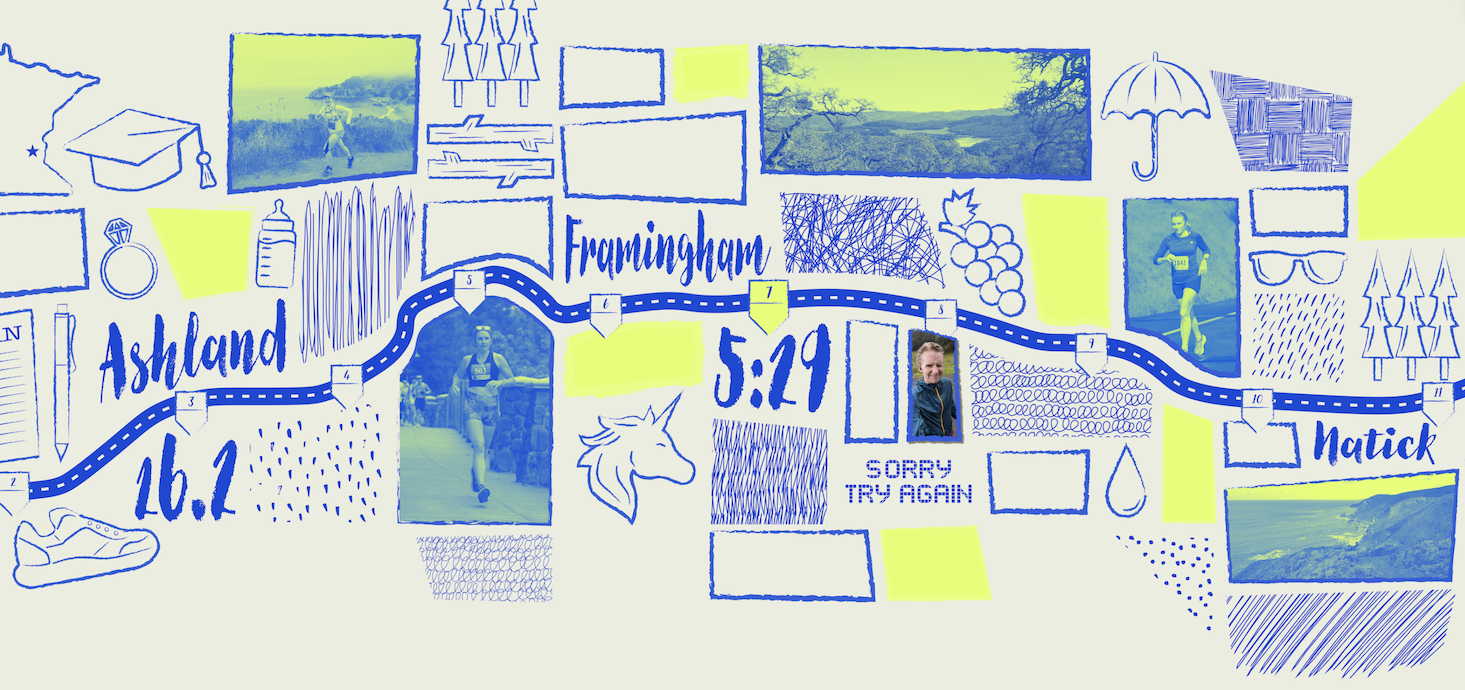
The story Road to Boston, for instance, is all about the difficult process of training for, and then running, one of the world’s most famous long-distance footraces.

An illustrated “map” that simultaneously depicts the author’s overall journey and her race-day experience ties the story together delightfully, but underpinning it all is the feeling of building towards an achievement in the face of a challenge, something practically every human can identify with.
Another story, The scars of prosperity, examines the rise and fall of enclosed mall culture and the U.S. industrial heartland around it, through the lens of the author’s own memories. It draws on the universal feelings of nostalgia, the passage of time, and watching a place change over time to tell a story that will resonate with many people.
Strike a balance between emotion and truth
It’s normal to feel self-conscious when telling a story. “Is this going to be interesting to people?” is a question that can live rent-free in any author’s head, no matter what they’re writing about. It can be especially tricky when you’re attempting to make that personal, emotional connection with the reader and need to consider the balance between that emotion and the objective facts that you’re relating.
Wherever that balance lies for the story you’re telling, it’s crucial to be authentic. Audiences are good at recognizing when the personal element is genuine and adding something to a story or when it’s been wedged in just for the sake of it (or, worse, when the truth has been exaggerated).

Oversharing is also a risk; it can be easy to go overboard on the personal side (just as it can on the analytical/factual side), including so many details that they start to obscure the high-level messages and concepts of the story. When working in personal asides, anecdotes, or allusions, make sure each one serves a clear purpose in supporting or advancing the overall narrative as opposed to distracting or stealing the spotlight from it.
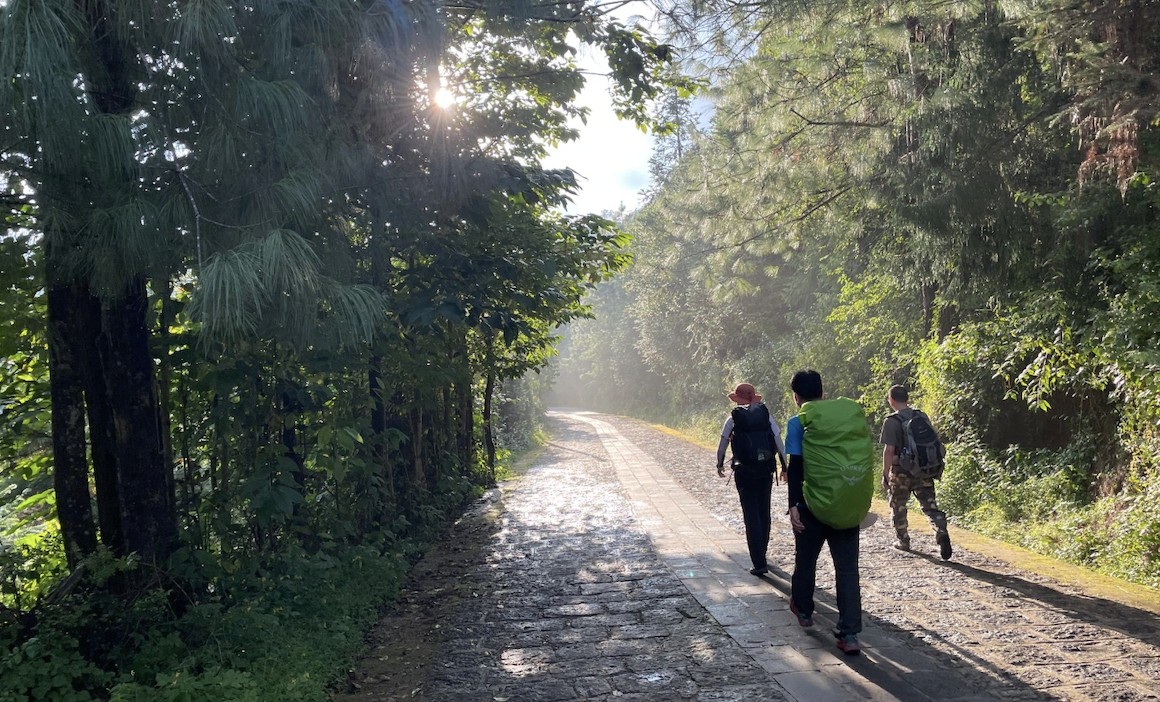
To see this idea in practice, the stories of National Geographic Explorer Paul Salopek’s Out of Eden series serve as instructive examples. Salopek is on a multi-year quest to walk around the world, and he periodically shares his adventures using ArcGIS StoryMaps.
In these stories, such as Walking China’s antique roads, Salopek’s point of view is an important part of the storytelling. It anchors each story around a voice that will feel relatable to many readers, even as he does things and visits places that most of us never will. At the same time, he doesn’t let his own personal lens overshadow the history, people, and culture of the landscapes he traverses; those elements are still permitted to take center stage as the stars of the show.
___________________________
Storytelling is both an inexact science and a nuanced art. Forging a connection with the intended audience can require some deliberate thought and effort. Keeping the human side of things in mind — emotion, shared experiences, and honesty — can go a long way toward establishing that connection and helping your stories to leave an impression and have the desired impact. We can’t wait to see how you apply these lessons to your own storytelling about our world.
___________________________
This blog post was adapted from an article written by former StoryMaps team member Hannah Wilber in 2021.






Article Discussion: