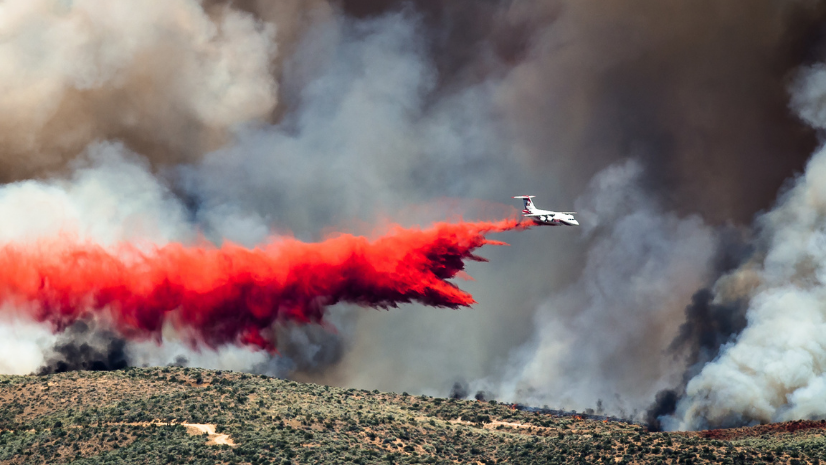
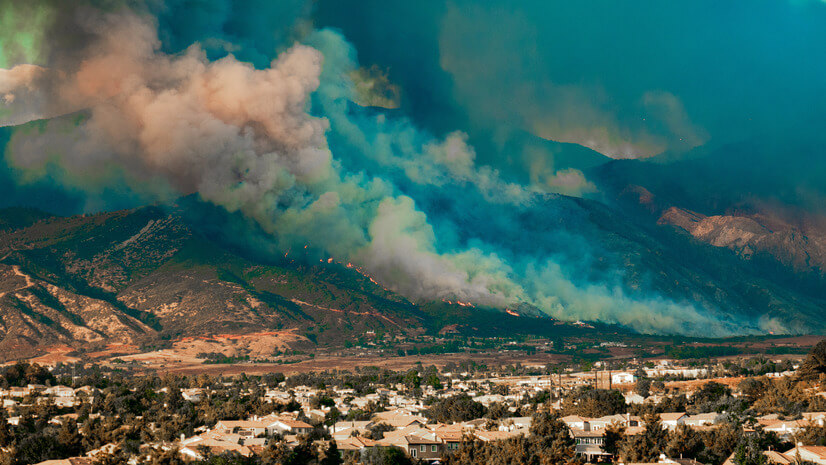
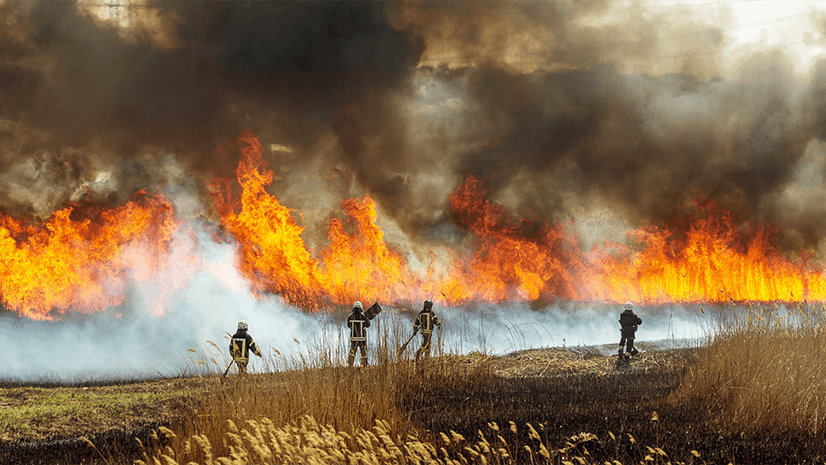
There’s a common pattern in wildland fire: We fight the fire, we survive the season, and then . . . the momentum fades. Reports gather dust. Recommendations sit on shelves. And the next fire season comes in hotter, faster, and harder.
But that cycle doesn’t have to keep repeating itself.
The Wildland Fire Mitigation and Management Commission gave us a road map of policy recommendations spanning risk reduction, response, and recovery. It was the kind of once-in-a-generation effort we always say we need: federal, state, tribal, private, and nonprofit experts working together to chart a better path forward.
Now it’s time to act on that road map. And that’s where the Alliance for Wildfire Resilience comes in.
A Map for the Policy Frontlines
The Alliance has built something deceptively simple and incredibly useful: a living tracker that shows which bills in Congress actually do something with the Commission’s work. It doesn’t just list wildfire legislation; rather it shows the alignment of those bills directly with the Commission’s recommendations. So, when someone says they support science-based wildfire policy, you can ask: “Which part? What recommendation? How strongly does it align with the Commission report? Show me the bill.”
This isn’t just another website. It’s a purpose-built compass for everyone who’s tired of waiting and ready to build.
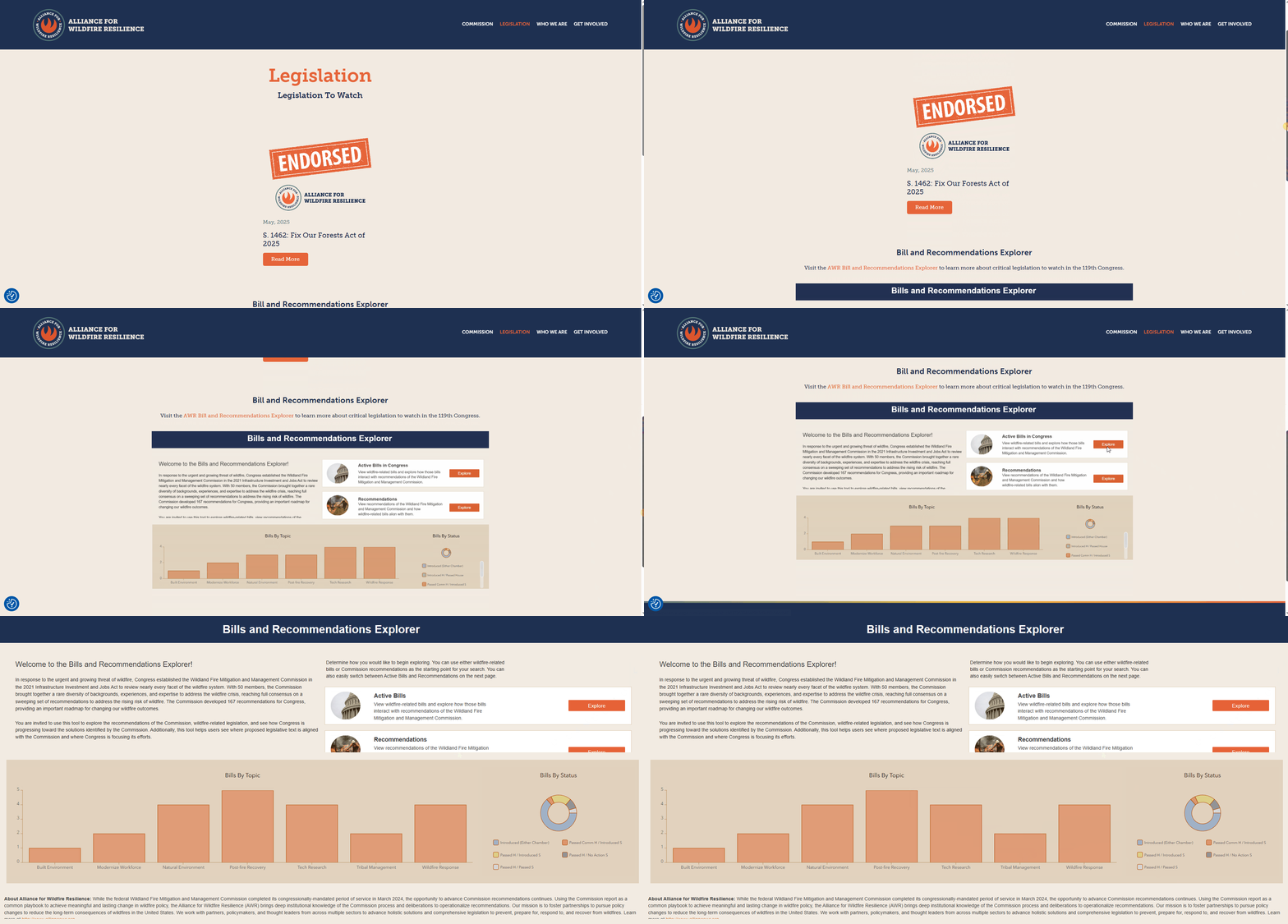
What’s in Motion (and Worth Watching)
One of the biggest pieces right now is the Fix Our Forests Act—rather it shows the alignment of those bills directly with the Commission’s recommendations.
It tackles everything from fuels work and reforestation to expanding prescribed fire capacity and workforce support. It even puts funding into community retrofits and seedling nurseries, stuff that doesn’t always make headlines but can make a difference in future outcomes.
Why the Tracker Matters Right Now
The Alliance isn’t just tracking wins; they’re also surfacing the gaps. Some of the Commission’s policy solutions have solid legislative traction. Others? Still waiting for champions.
We’re talking about things like:
– Liability protection for prescribed fire partners.
– Modernizing wildfire workforce credentialing.
– Bridging mitigation and recovery funding systems like BRIC and HMGP.
These aren’t “nice-to-haves.” These are structural fixes we need if we’re going to stop treating every fire like an emergency and start managing them like a system.
The Takeaway
If you’ve ever sat in a briefing and thought, “We know what needs to change—why hasn’t it happened yet?” . . . this is your answer.
The policy work is happening. But it needs eyes on it. It needs pressure. It needs people who care about fire and resilience to track these bills, supporting the good ones, and calling out the empty ones.
The Alliance for Wildfire Resilience is doing that work. Quietly. Clearly. And in a way that ties back to the most comprehensive wildfire report and road map we’ve ever had.
If you’re a planner, a firefighter, a policymaker, a nonprofit, or just someone who wants to know whether Washington is serious about fire, you’ve got a tool now.
Learn More
To learn more about GIS solutions for wildland fire, visit our solutions page or download our ebook.