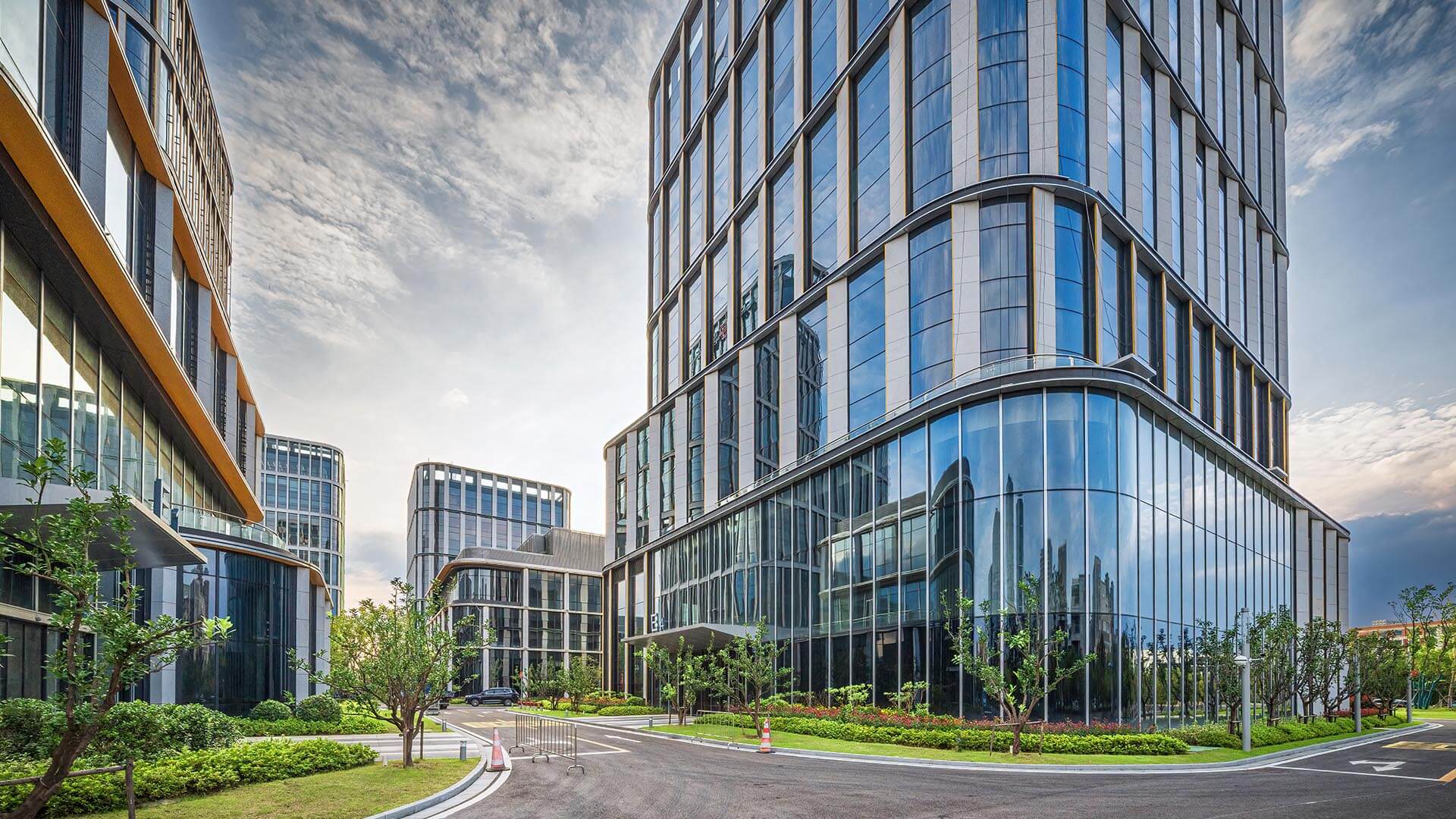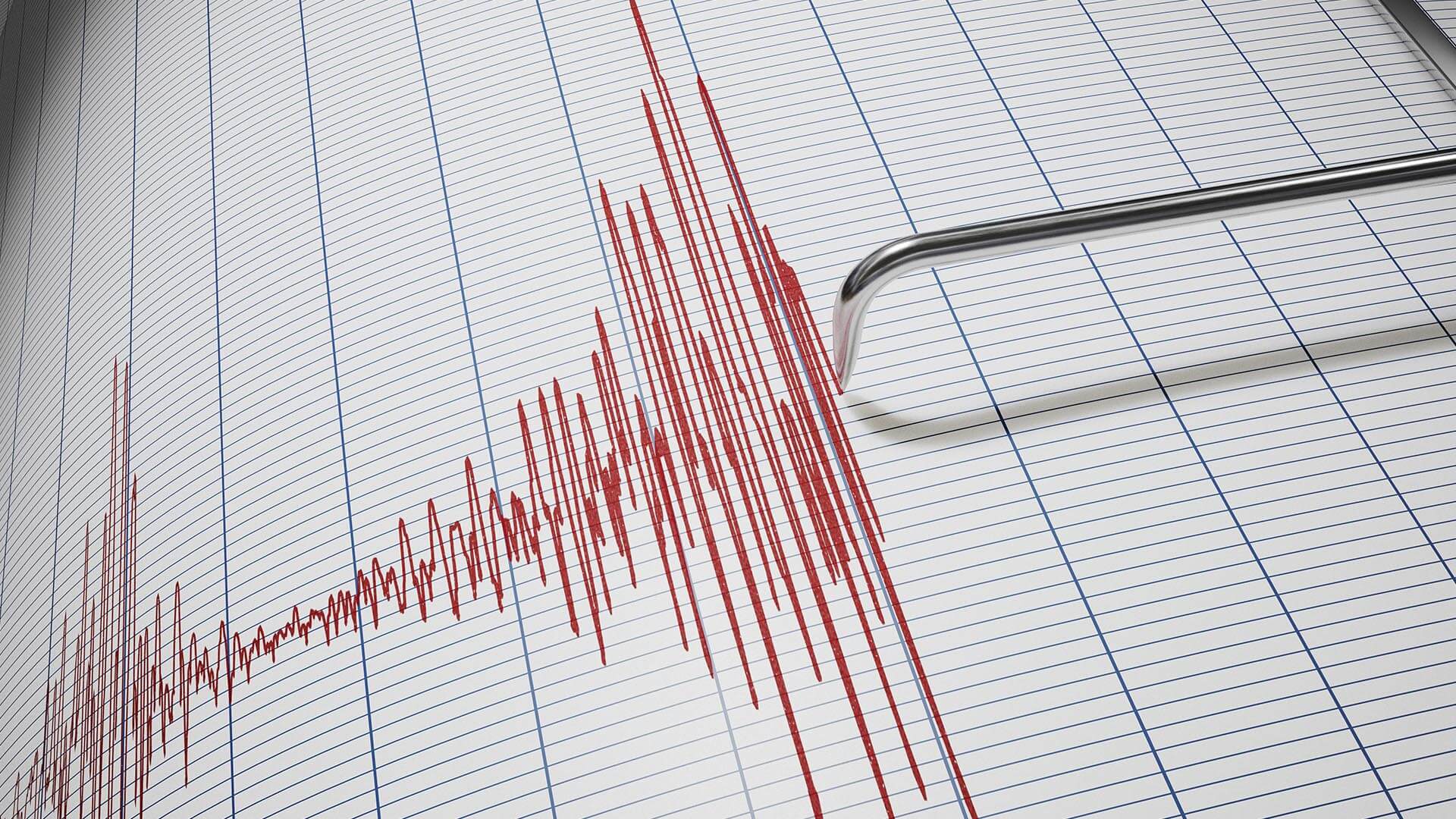
Can you imagine a building snapping back into place like a rubber band after an earthquake? Sounds like a CGI movie trick, but the Grimes Engineering Center at UC Berkeley can pull it off, according to Fast Company.
The building was constructed with 36 shape-memory alloy tension rods that bend more than 25 times as much as conventional steel, allowing the structure to return to its original form after extreme seismic stress. The Grimes Center, located in one of North America’s most dangerous seismic zones, is the first occupied structure to deploy such resilient infrastructure.
For executives with assets in seismic risk zones, which exist in more locations than previously estimated, this adds a new dimension to business planning. Should they invest in infrastructure that can “snap back?” With global damages from both climate and geological events reaching $131 billion in just the first half of 2025, the cost of mismanaging such decisions has rarely been higher.
As they build warehouses, offices, and data centers, executives are using location intelligence to understand risk profiles and invest in the right protections in the right places.
Turning Location Intelligence into Investment Strategy
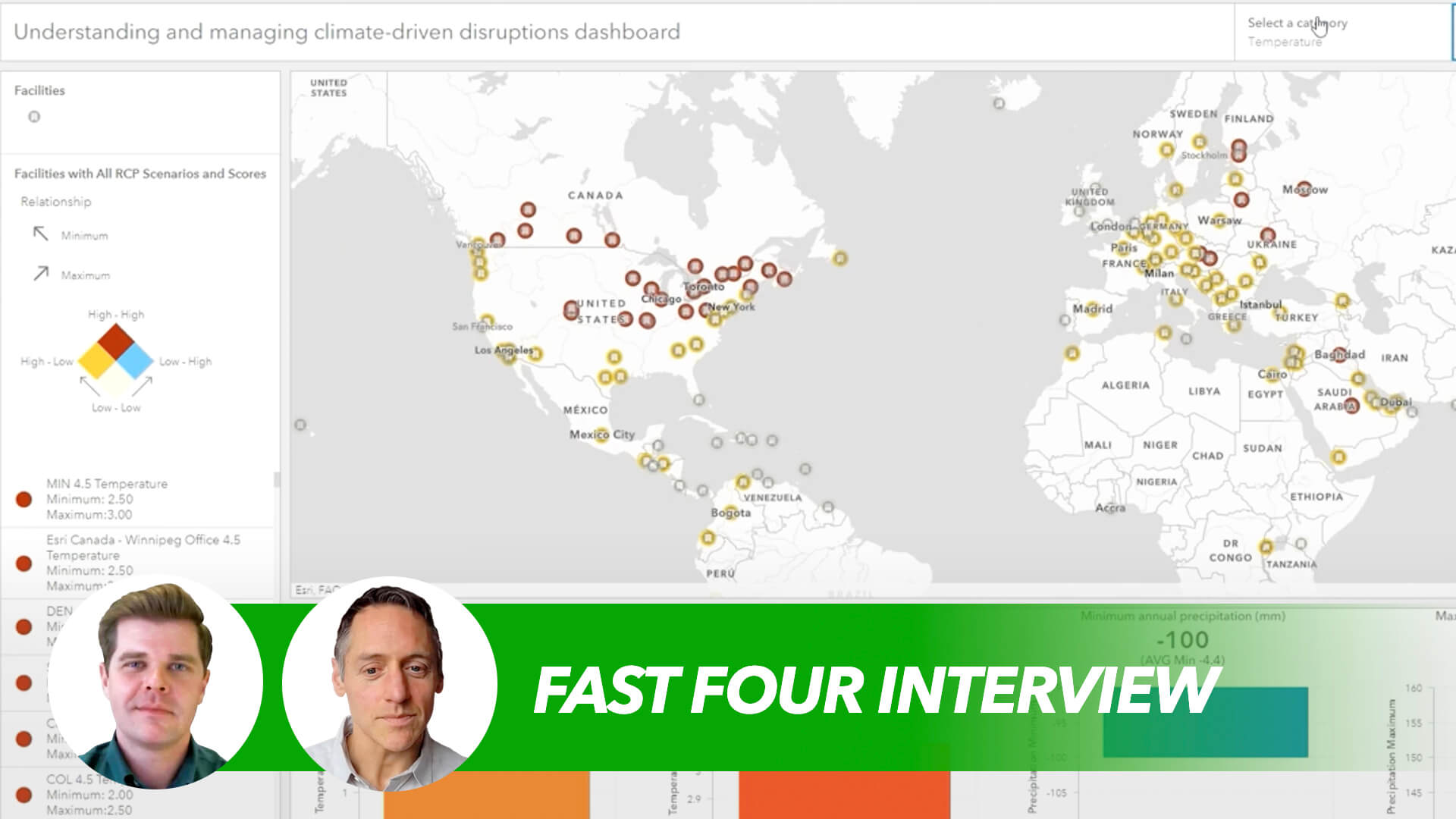
In the quest for business continuity, location intelligence—created by geographic information system (GIS) software—helps business leaders understand how hazards might affect specific buildings, employees, and operations. With a GIS-based operational basemap showing flood zones, wildfire risks, hurricane paths, seismic fault lines, and weather forecasts, executives can make informed decisions about assets and operations.
Executives at Fortune 50 telecom firms and multibillion-dollar asset managers use these techniques to assess real estate portfolios, determining which properties merit which resilience investments. To make those decisions, executives consult maps that show risks by severity and time horizon—including hazards primed to strike in the next two years and those likely to emerge decades from now.
An operational basemap might reveal that a data center in a newly active seismic zone should be retrofitted with new structural support, while a warehouse with a relatively low peril score should receive standard protection measures.
Making Resilience Strategy Elastic
Companies that fail to plan for climate and geological hazards face the prospect of operational disruption and lost revenue, higher insurance premiums, regulatory compliance expenses, and, ultimately, stranded assets.
What the Grimes Center’s flexible structure represents isn’t just better engineering, but the leading edge of a shift in how organizations approach infrastructure resilience. Just as new technology can make buildings more “elastic,” location intelligence can help tailor investment decisions to each asset’s risks, business value, and location.
The question for executives is no longer whether resilient infrastructure is worth the investment, but where. Answering that question requires understanding the risk and reward of business operations in specific locations, something an operational basemap now reveals for companies worldwide.
The Esri Brief
Trending insights from WhereNext and other leading publicationsTrending articles
December 5, 2024 |

January 11, 2024 |
September 22, 2026 |
May 26, 2026 |

April 7, 2026 |
June 5, 2025 |