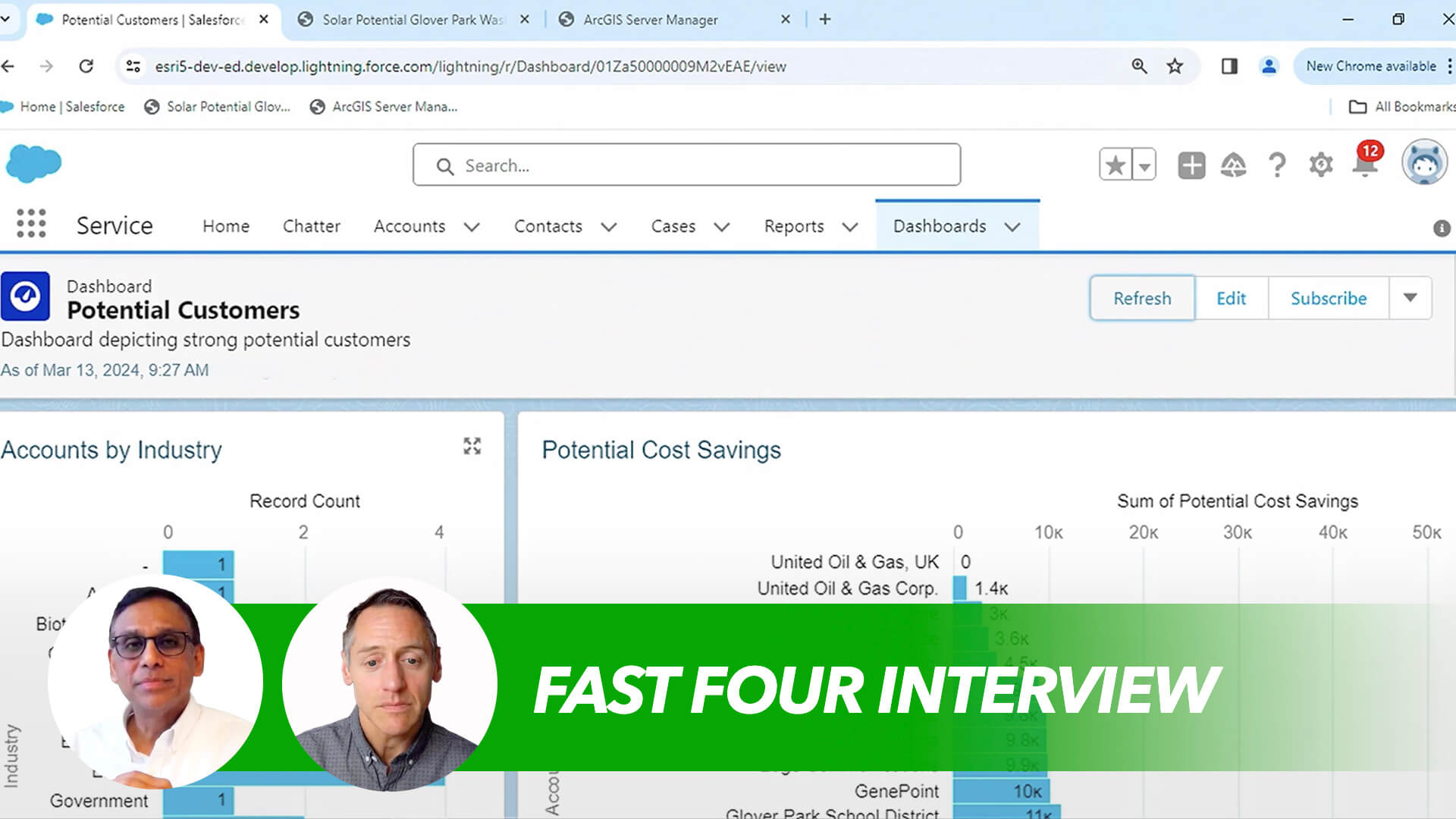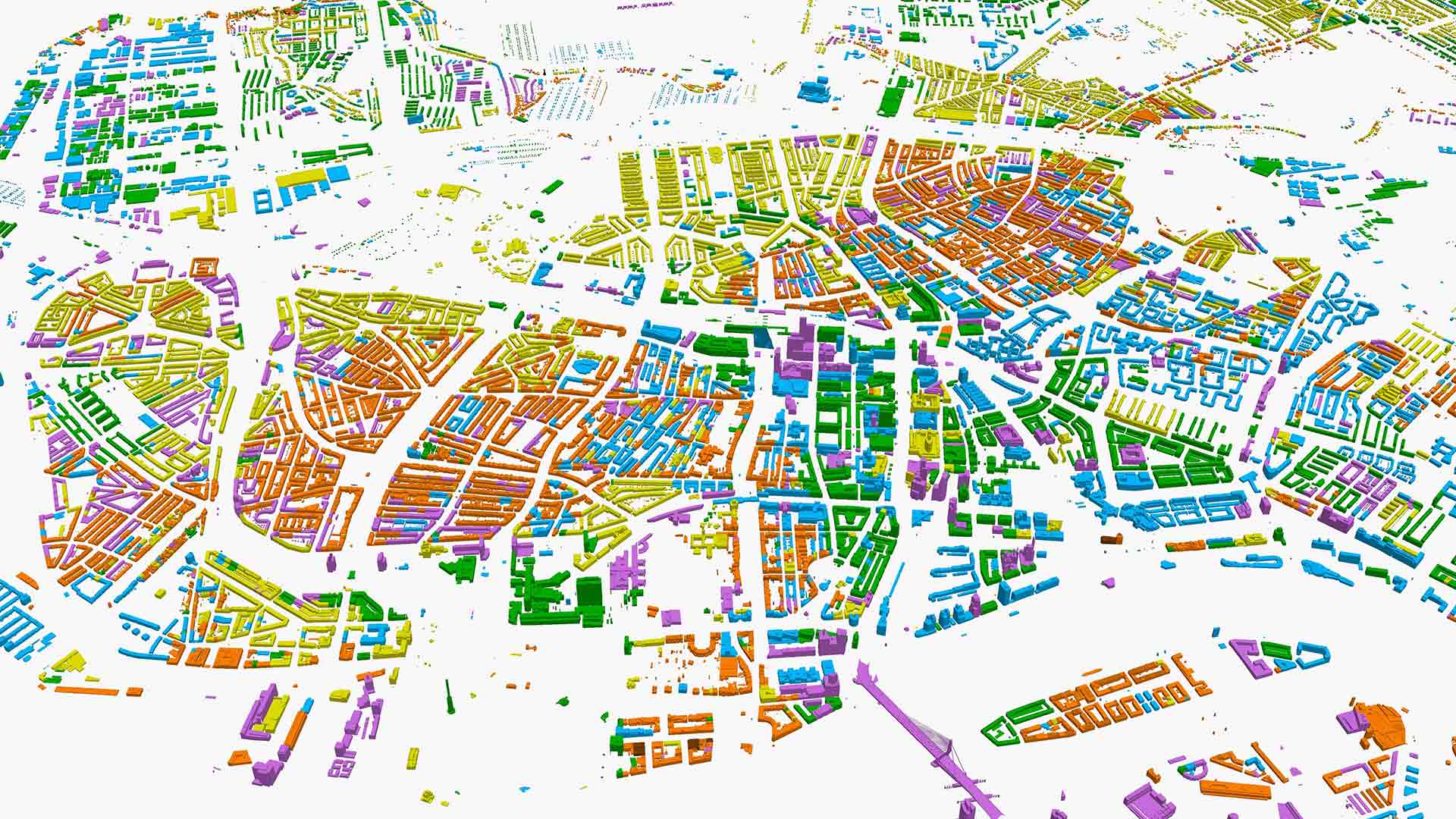
The growing importance of mapping and analytics to modern businesses was on display at a recent conference dedicated to geographic information system (GIS) technology. Retail planners revealed how demographic data shapes the style and features of local stores. Hospital planners described heat maps that help maintenance teams identify service issues. And airport managers revealed how GIS digital twins track infrastructure projects at a facility that hosts 100,000 travelers a day.
Those and other accounts made it clear: Today’s most successful companies are waking up to the value of mapping and analytics. The managing director of analytics at a prominent consulting firm drove the point home, urging attendees not to treat location data as an afterthought.
“Make geospatial data first-class data,” he told business leaders—on par with customer information and other sources of insight.
From Humble Beginnings to Enterprise Mapping and Analytics
GIS emerged in recent decades as a system to manage the geographic realities of a business—mapping and analyzing company-owned land, areas where it maintains operations, places where it might expand, and the networks that connect all those locations.
With its ability to integrate more information than a simple map or web app, GIS became a coveted asset in business circles. As the companies using it expanded, the technology’s capabilities grew, too, eventually becoming an enterprise system of record for mapping and geospatial analysis.
July’s conference showcased the breadth of the technology’s evolution by highlighting a cross-section of the business challenges it addresses:
- In a globally connected economy, companies that facilitate payments must also collect taxes, a process complicated by thousands of tax-jurisdiction boundaries and the mercurial nature of local laws. At the conference, a prominent payment processer shared how it uses GIS maps to simplify this process, ensuring accurate transactions for banks, other fintechs, and individuals.
- A major health-care provider has uncovered geographic benefits at a hyperlocal scale by mapping the interiors of more than 100 of its hospitals, clinics, and facilities. The GIS maps are connected to the company’s work order management system, allowing operations personnel to see multiple facilities at a glance as well as a dashboard of the most critical service requests. With everyone working from a single source of truth, maintenance teams know where to focus their attention, and that, according to managers, has decreased wasted effort and accelerated response times.
- The design of bank branches can vary significantly from one area to the next, and the X factor typically isn’t zoning or building codes, but demographics and psychographics. One banking professional at the conference credited this form of mapping and analytics, with helping the company cater to local tastes, like enclaves where customers prefer to visit tellers or neighborhoods where patrons favor self-service kiosks. Such insight affects everything from a site’s square footage and energy needs to the number of banknotes kept on site, and it all begins with geospatial insight.
While each of these scenarios sounds unique, a closer inspection reveals connections to other areas of the business world. Just as the payments provider relies on maps to track shifting tax rules, a manufacturer of computer hardware uses GIS to monitor the regulations governing which products it can export where. Just as the health-care provider consults maps to manage maintenance within its facilities, another company uses maps to manage the hybrid workforce inside its offices. And a bank that designs branches for the preferences of local customers has more than a passing resemblance to the major sporting goods store that uses GIS to understand its customers.
For each of these businesses, GIS is becoming an enterprise-wide engine for mapping and analytics.
Tech Expansion Spurs Evangelist Role
As GIS capabilities expand to more teams across the organization, a new role is emerging in global businesses, according to conference-goers: the GIS evangelist.
These business pros understand the technical aspects of mapping and analytics, and excel at helping nontechnical colleagues gather insight from the technology. At some multibillion-dollar companies, adoption specialists spend time answering colleagues’ GIS questions or going on “road shows” that expose the technology’s capabilities to data scientists, analysts, and whole departments. That role is getting easier as AI opens GIS to nonspecialists, who can interact with the software through simple conversations.
As new business units awaken to the value of mapping and analytics, GIS teams can become overwhelmed with one-off requests. Some companies create a self-serve model to prevent such overload. One business leader told conference attendees that he encourages GIS analysts to devote 20 percent of their time to creative projects—the kind of mapping and analytics that can generate significant, long-term returns for a business.
With GIS technology now used by 90 percent of the Fortune 1000, business executives will need to consider these and other techniques to ensure effective use of enterprise mapping and analytics.
The Esri Brief
Trending insights from WhereNext and other leading publicationsTrending articles
December 5, 2024 |

January 11, 2024 |
May 26, 2026 |

September 8, 2026 |
September 22, 2026 |

September 15, 2026 |