It was the rainy season in Sonoma, California, and Meghan Ritter, viticulture technician for Silver Oak Cellars, was at the end of her rope.
The handlebars of her ATV were slick from the steady October drizzle. The pen she was using to log diseased, dead, and missing vines kept slipping from her grasp. The paper was starting to tear.
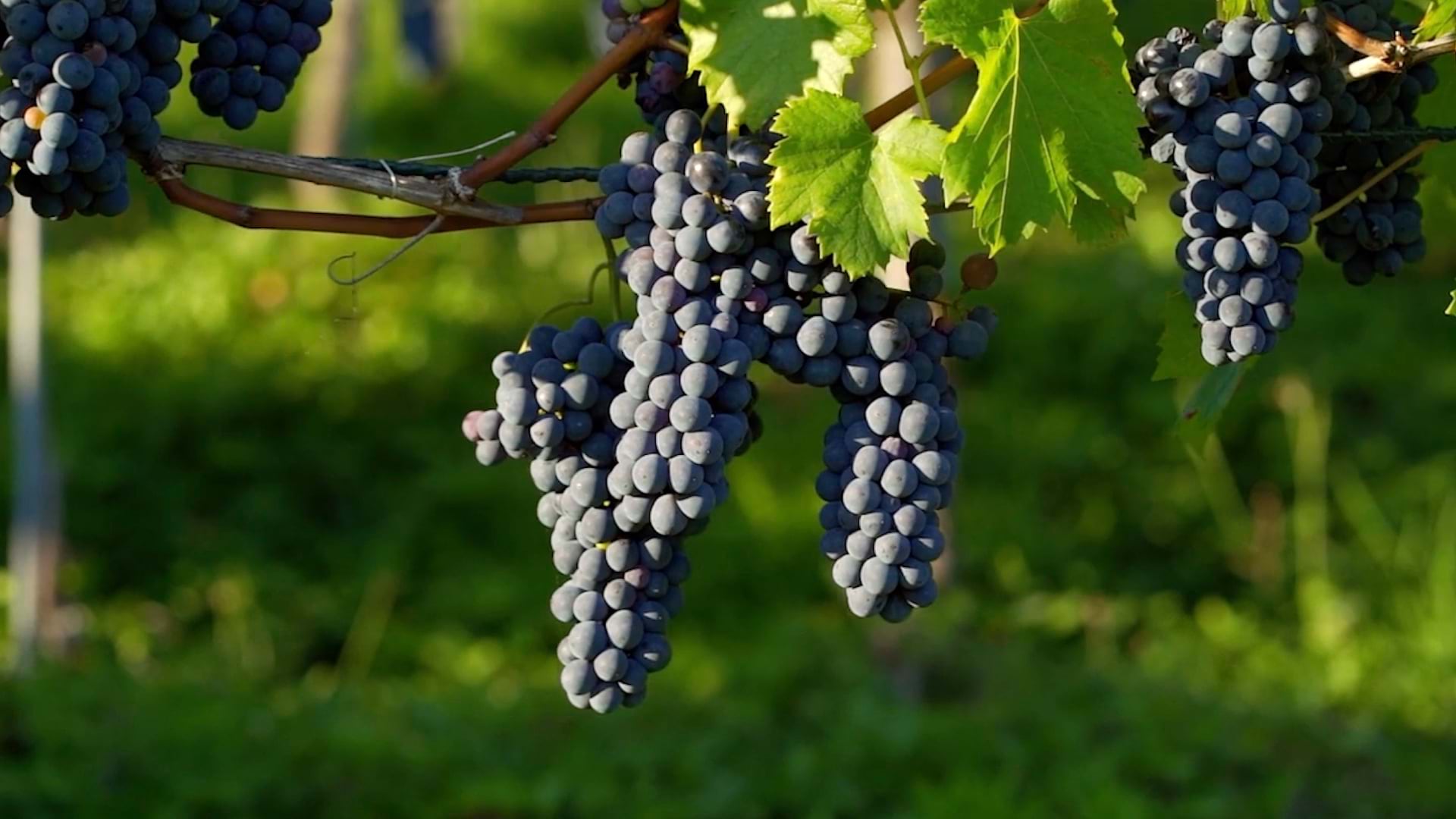
The row before her was one of hundreds in the end-of-year vine count—a critical step in creating California cabernets that have earned a “cult-like following,” as Wine Spectator once wrote, calling Silver Oak one of the most recognizable names in the industry.
Back at the office, Ritter puzzled over the numbers with Allison Bettis, Silver Oak’s viticulturist, who uses that and other data to guide the grape-growing process. Deciphering damp scribbles consumed time neither of them could spare.
Ritter could deal with being cold and wet. But she didn’t like being unsure of her data, and she hated wasting coworkers’ time. “The person who’s most keen on making changes in their company is the person doing the most frustrating task,” she says.
As Ritter searched for a better solution, an industry friend suggested she look into an enterprise software known as geographic information system (GIS) technology.
Across industries, GIS serves as a system of record and insight that helps companies manage mobile workforces and make sense of field data. It optimizes delivery routes, guides service technician scheduling, and coordinates construction crews in remote locations.
Ritter resolved to check it out.
Two years later, Silver Oak has replaced paper workflows with GIS tools that now support every stage of vineyard operations, from planting to harvest. Tasks like the annual vine count can now be completed in weeks, not months.
With data management now handled in-house, Silver Oak Cellars uses fewer vendors, which helps the bottom line. It’s yet another efficiency boost for a team that oversees grape cultivation across its portfolio’s 750 estate acres of vines.
The flagship Silver Oak label—known for its iconic Napa and Sonoma cabernet sauvignon—is one of five the winery operates. All five now run on GIS.
The Benefits of On-the-Ground Intelligence
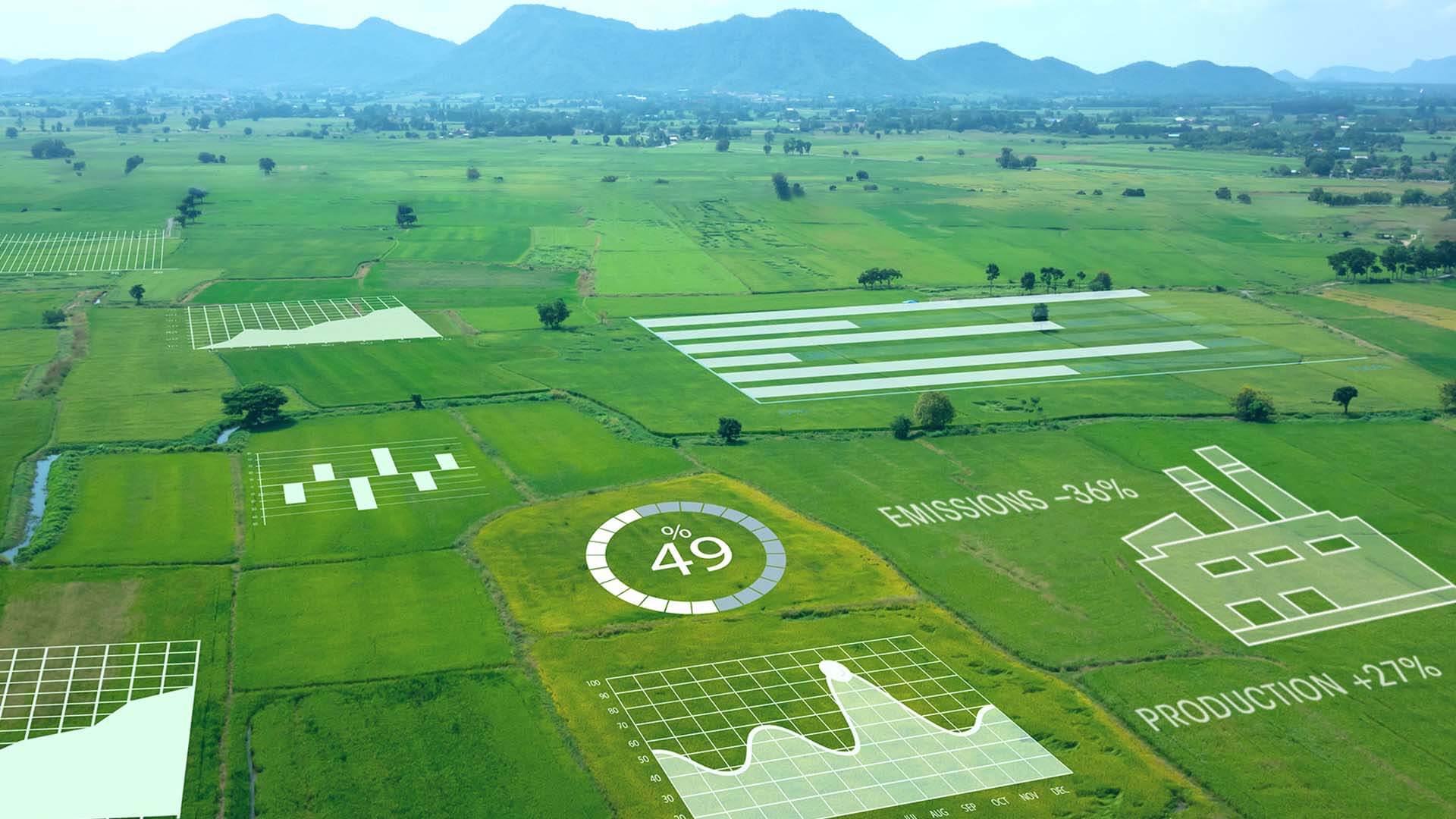
Silver Oak uses GIS to create an operational basemap that shows all its fields and gives employees the clarity needed to make timely decisions.
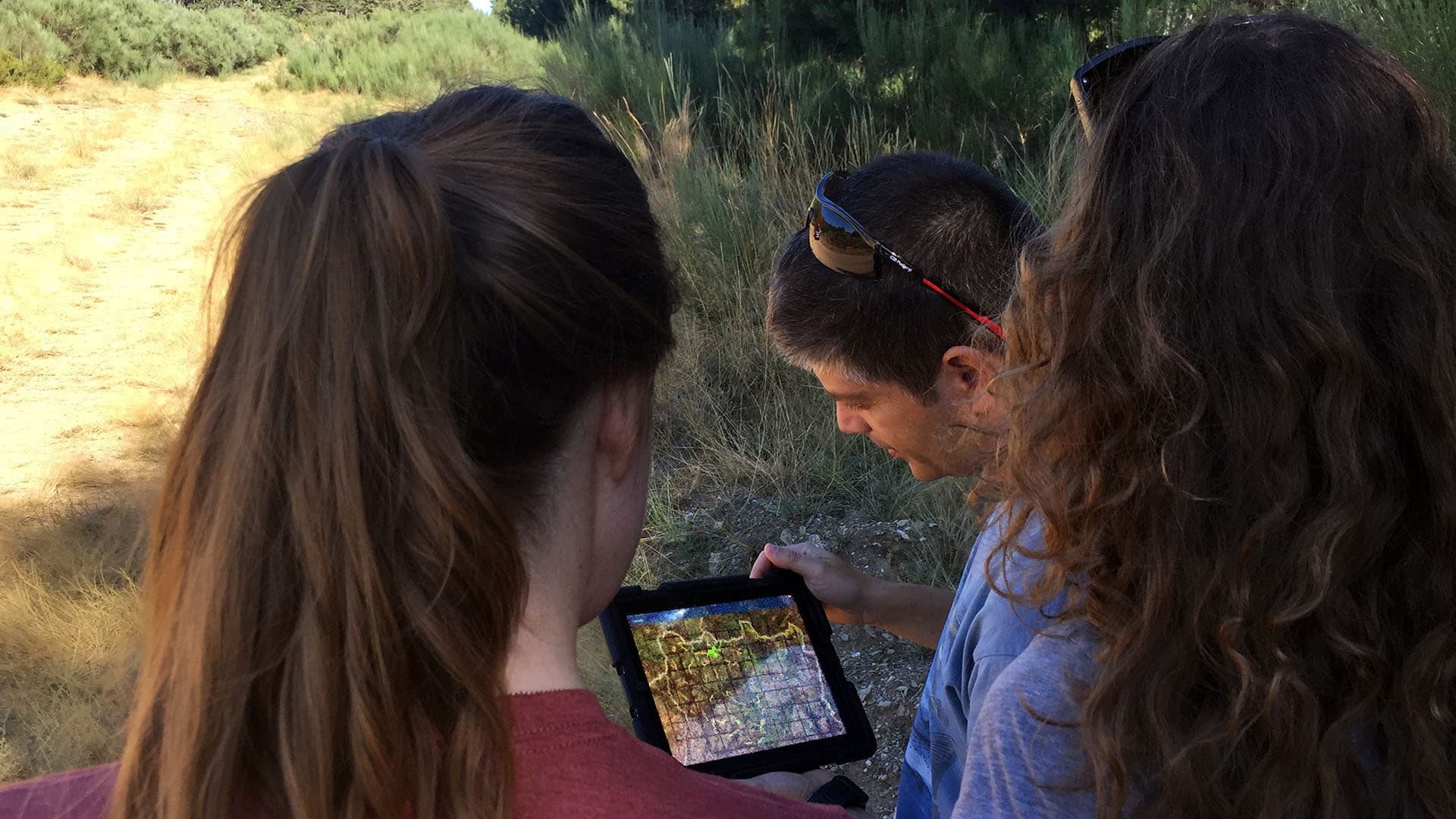
The teams that monitor and maintain vineyards—including Ritter, interns, and workers who prune and irrigate vines and harvest grapes—use GIS tools to quickly capture data in the field.
That data feeds maps and dashboards Bettis and vineyard managers check daily. They can track the full growing season—from budbreak to the ripening of grapes—in a single view. This data informs decisions about when and how much to irrigate and fertilize, and the optimal time to harvest specific zones, since it varies by location.
“Everything we did is in [the maps], and eventually we can put all these patterns together to make incredible decisions based on all the information out there,” says Norm Peters, director of vineyard operations.
Basemaps help winemakers quickly orient themselves in the vineyards and pull up data like the type of clone used in a certain block or how many tons per acre were harvested from a vineyard in prior years.
Having the right information at the right time allows Silver Oak to make better use of time and resources. Looking at a map of irrigation drip lines, for instance, Bettis realized they were pumping liquid fertilizer to a larger portion of a vineyard than necessary. With that intel, the team decreased fertilizer use and cut irrigation hours, preserving scarce water and lowering input costs.
“We can quickly and efficiently capture this data in real time with the tools Meghan has been building out,” says Justin Hirigoyen, Silver Oak’s VP of winegrowing. That, he says, enables teams to “see insights, make decisions, and operate with clarity and efficiency across the vineyard footprint.”

When I can collect data faster, my supervisor can see data faster, so it’s increased our communications and, overall, our efficiency has skyrocketed.
Streamlining Data Collection in the Field
Winemakers work against the calendar and the weather. Plant thinning, fungicide placement, harvests—each has a window that may last days. Miss it and the vintage suffers.
Plant health and grape quality depend on a team’s ability to read conditions in the field and take appropriate action within time windows that may last just days or hours. Accurate information must reach the right personnel quickly.
To ensure teams have the latest information, Ritter monitors “sentinel vines” in every block of every Sonoma vineyard on a weekly basis, gauging vine health and growth. That data has important ramifications for the rest of the grape-growing process. If shoots get too long in May, that could rob a grape of the energy it needs for sugar production and ripening in September.
Before Silver Oak moved to modern GIS technology, data entry was a chore. With the previous point solution, field personnel had to scroll through tabs, rows, and columns, often navigating 20 clicks to add data.
Now their mobile apps feature simple buttons and drop-down menus. Ritter can even add information while trawling the vineyard on her ATV. When she finds dead vines that need to be replaced, she tags their locations on a map so field crews know exactly where to find them.
Those time savings help colleagues operate efficiently, too.
“I’m able to see a lot more detailed information about our fields without having to be the person in the field,” Bettis says. “[That] frees me up to do the rest of my job, such as taking that data and transforming it into a recommendation or plucking out patterns.”

Allison can make better recommendations to the vineyard managers, and then ultimately all of those small decisions ladder up to making better wine.
Putting Data Where Everyone Can Find It
As head of winemaking and vineyard teams, Hirigoyen likes to have a wealth of data at his fingertips. Before the tech overhaul, he had to reference several sources to assess vineyard conditions: a paper-filled binder he carried into the fields, a collection of spreadsheets, and the winery’s specialized software.
Now, he and the Silver Oak team access information they need right from the vineyard by pulling up a GIS map on a phone. He can view the block he’s standing in and toggle through crop estimates, clone types, maturity status, historical harvest dates—even the gate code to enter the adjacent vineyard.
Sensor data from weather stations and harvesting machines that record grape yields add depth to the winemaker’s understanding of how vineyards are performing—and why.
GIS creates what Ritter calls data equity—reliable information gathered in the field and immediately available to anyone at Silver Oak. That flow of insight reduces repetitive communication and increases operational efficiency.
“We’re able to cover ground faster in a shared language,” Bettis says. “We’re able to really parse out what’s important.”
For Bettis, Hirigoyen, and the team, good data yields precision, and precision eliminates waste. “We can pick that block at the right time or know when to come back so that we can maximize the quality potential,” Hirigoyen says.
Smarter Operations Through Location Intelligence
Team members who find the information they need when they need it make “the highest and best use” of their time, Hirigoyen says.
Data-rich maps have helped managers spot signs of spider mites and red blotch—a fast-spreading disease that can be costly if left untreated. By catching such risks early, the viticulture team can tackle them when they’re more easily controlled, avoiding widespread use of harsher chemical sprays and greater costs.
Location intelligence help operations director Peters manage costs by staging the right number of workers to handle harvest and other workloads without incurring overtime expenses. In 2026’s hot March, plants were growing fast, and managers needed additional help to quickly thin the shoots. By nailing the timing of that stage, the team was better prepared for next steps like spraying. “That’s really what precision agriculture is—hitting your windows,” Peters says. “Everything is a domino effect in operations.”
When Ritter and colleagues were struggling with data collection in the field, the domino effect was a slow flow of information and missed windows. With GIS facilitating faster, more precise operations, the Silver Oak team can focus on being better stewards of the vineyards and maximizing the quality of their wines.
For a team that is fond of saying they haven’t made their finest bottle yet, the refinements they implement today contribute to the legendary vintages their devotees will enjoy for years to come.
The Esri Brief
Trending insights from WhereNext and other leading publicationsTrending articles
December 5, 2024 |

January 11, 2024 |
May 26, 2026 |
September 22, 2026 |

September 15, 2026 |

June 5, 2025 |