Emerging markets tempt businesses with strong growth potential and untapped customer bases. But these high-reward opportunities can also be high risk, as developing economies are notoriously unpredictable.
By asking the right questions, decision-makers can avoid some of that uncertainty, according to Harvard Business Review. The key is getting to know local factors like culture, spending power, workforce education, and infrastructure. These insights are a form of location intelligence: information gained by mapping and analyzing geographic data such as demographics, consumer spending, and transportation networks. With location intelligence, businesses tailor expansion plans and align expectations with reality to more confidently enter emerging markets.
Shifting into Emerging Markets
Location analysis has always been key to strategic growth. Expanding businesses analyze their most successful locations and seek out markets with similar populations and customer profiles. But emerging markets require a change in perspective: understanding not what’s similar, but what’s different.
When a Mexico-based convenience store chain sought to expand into South America, for example, executives knew their top-performing stores in Mexico wouldn’t be a perfect template. Instead, they looked closely at the variables contributing to their success—like commute times, car ownership, and customer shopping habits—and examined how those factors differed in target countries. Then, they shifted their plans for store locations, operating hours, and product lineups accordingly.
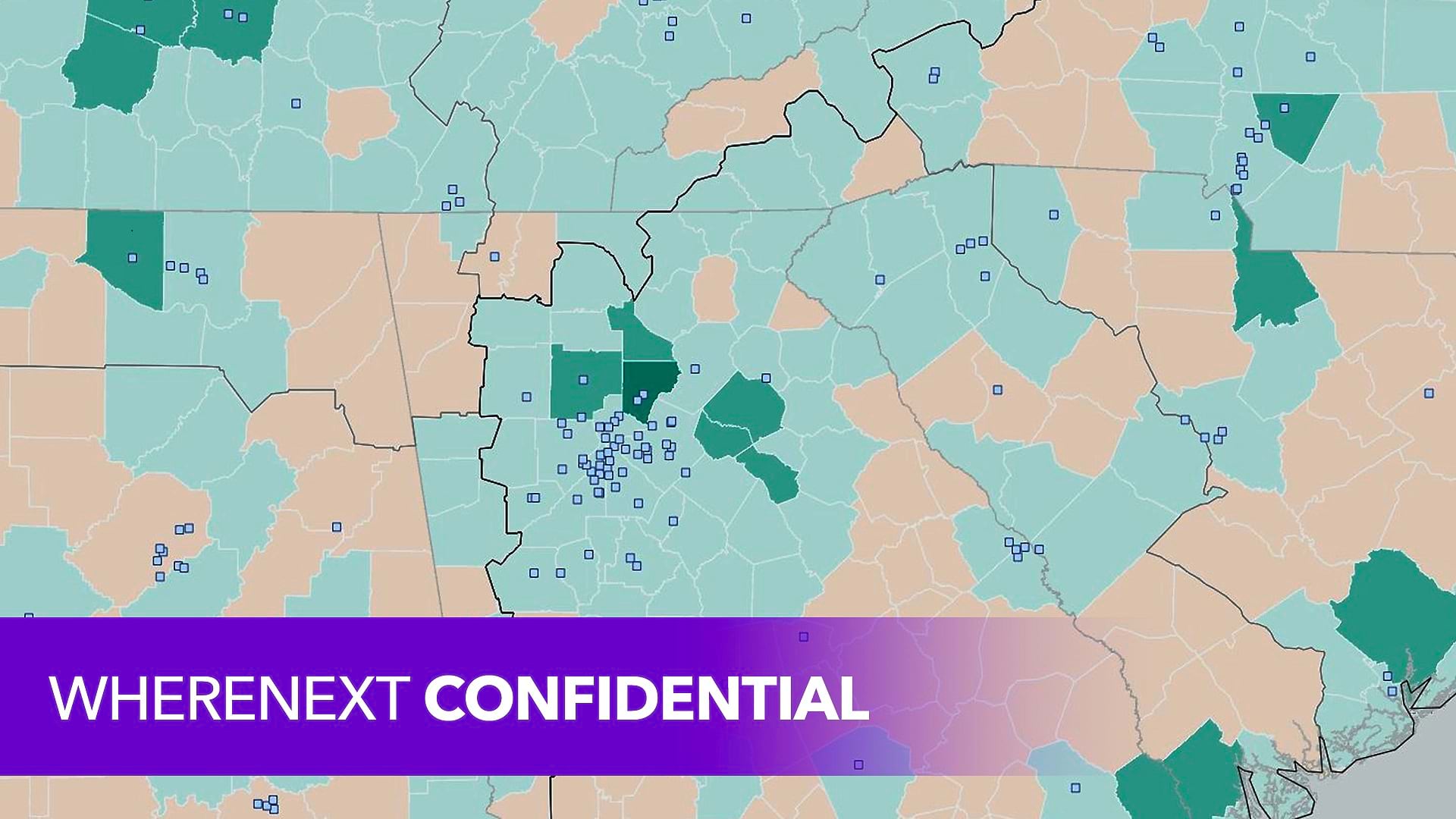
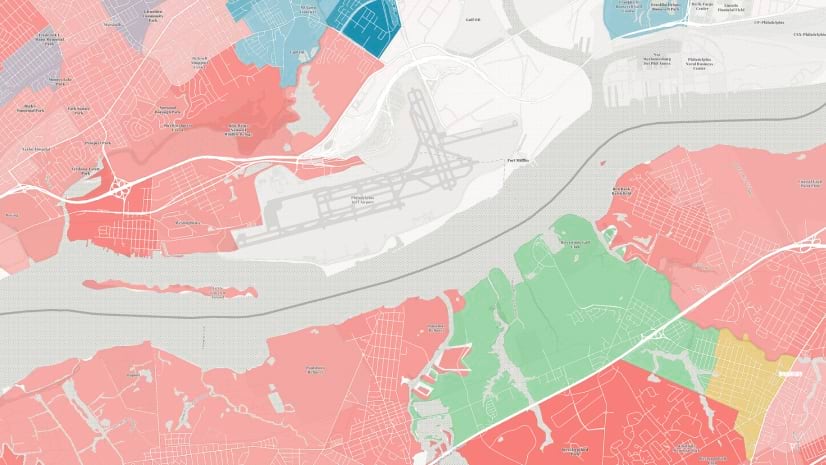
Adding geographic data ensured a strategy grounded in reality, not guesswork. This approach is especially valuable for companies expanding without firsthand knowledge of their target markets. A data-enriched map created with geographic information system (GIS) technology can answer questions about customer demographics, shopping norms, and labor markets.
AI and Automation Turn Maps into Momentum
The risks of entering emerging markets don’t disappear once the new locations open. Even well-informed businesses contend with shifting conditions and unexpected setbacks. Maps can show what’s happening now—and what could happen next, minimizing late reactions to market changes.
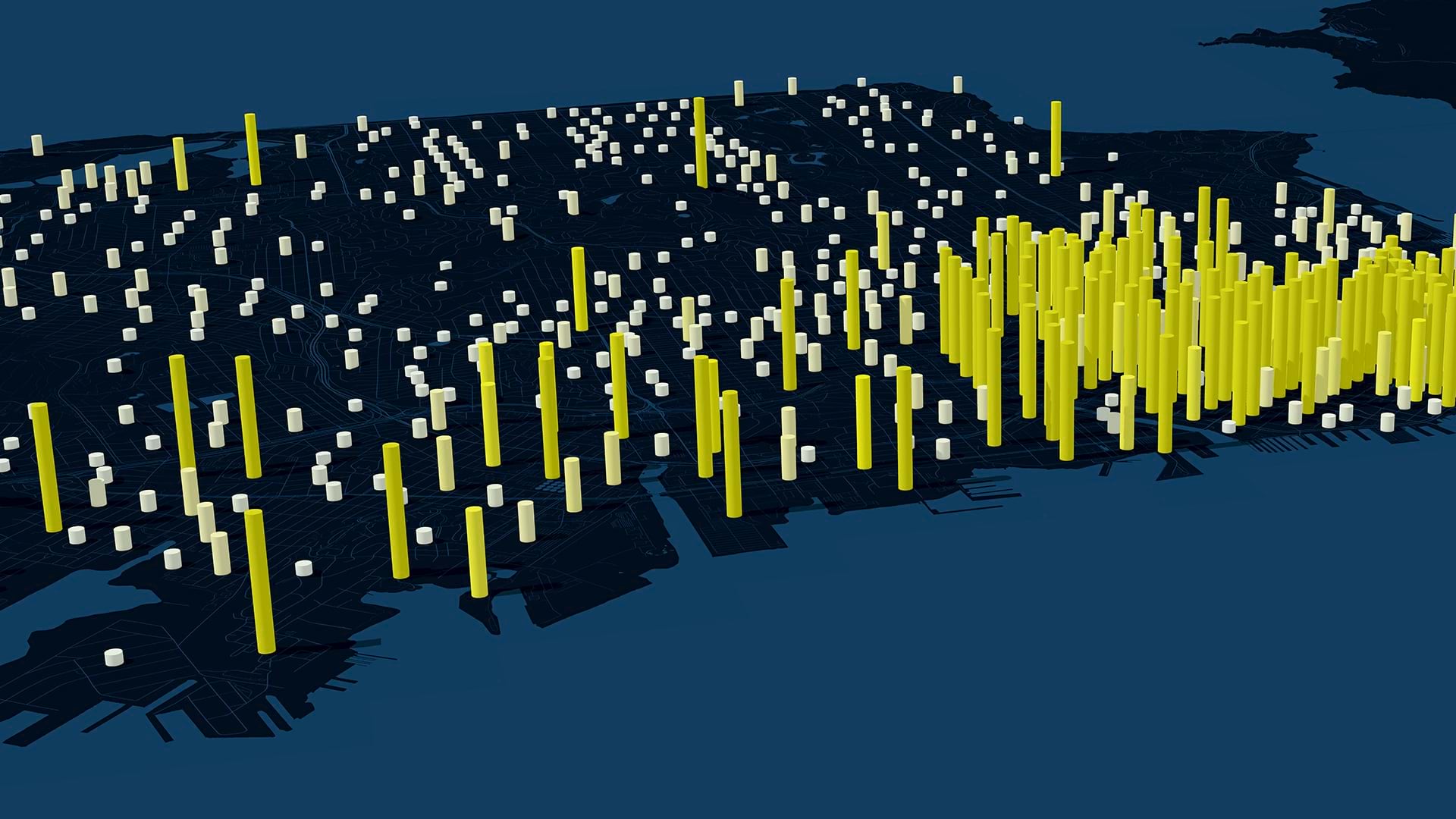
The automation and AI capabilities in modern location technology make this possible. Real-time data feeds automatically update maps with performance information like store foot traffic and inventory, adding insights to data on populations and local purchasing power. With up-to-date information about what’s working at new locations, businesses can keep pace with consumer tastes.
For a look ahead, analysts can apply predictive AI algorithms to forecast business performance months or years into the future. Maps can show predicted sales alongside economic and population growth, illustrating how emerging markets might mature. These modeled scenarios guide decision-makers as they plan beyond market entry for sustained success.
A Competitive Edge in Emerging Markets
Emerging markets promise growth but demand precision. Location intelligence delivers the clear, realistic view that leaders need to plan and execute targeted growth.
It’s allowed one quick-service restaurant to outpace major players in a new region, with minimal store closures. Company executives knew what their competitors didn’t: that mapping key data reveals opportunities and risks traditional analytics miss. In the words of the company’s chief development officer, “If you talk about new stores opening, then location analysis is of the utmost importance.”
Through location analysis, companies learn what it takes to achieve the benefits of smart, sustainable expansion into unfamiliar markets.
The Esri Brief
Trending insights from WhereNext and other leading publicationsTrending articles
December 5, 2024 |

January 11, 2024 |
September 22, 2026 |
May 26, 2026 |

June 5, 2025 |

April 7, 2026 |