Modern GIS for Higher Education

Build a modern curriculum for GIS degrees

Resources for modern GIS and geospatial AI education

Young adult students with laptops and tablets sitting in a lecture hall and smiling

Prepare students for the geospatial workforce

Teach GIS as it is practiced today

A modern GIS curriculum connects foundational geographic thinking with current technical workflows in data management, mapping, spatial analysis, imagery, field operations, and geospatial artificial intelligence.

Connect learning to real work by giving students experiences they will encounter in government, business, science, and nonprofit work. Use courses and tutorials to promote lifelong learning and professional development, updating your own skills to bring current practices into introductory and advanced GIS courses.

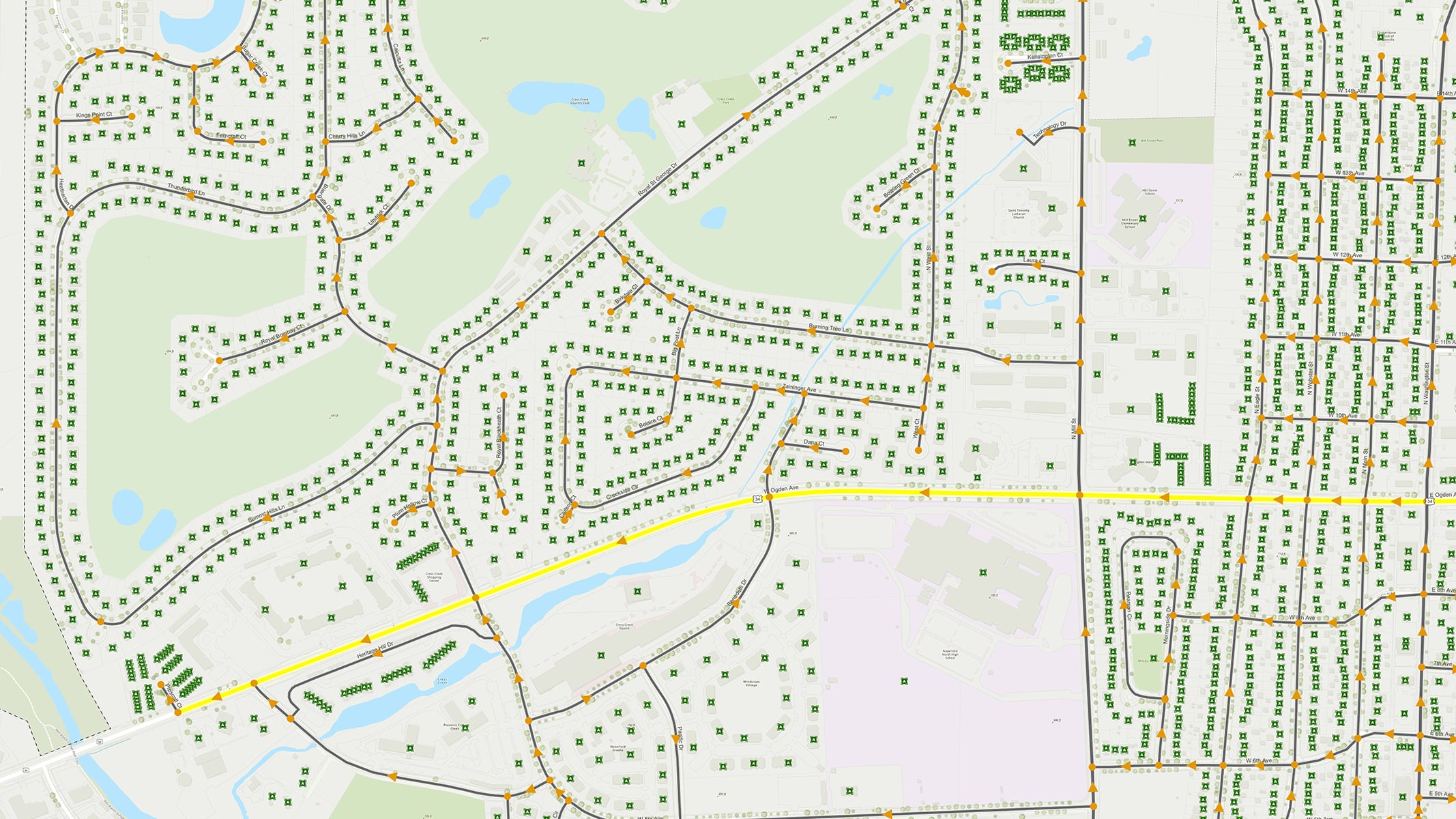
 

A teacher assisting a student at a computer overlaid with a map displaying many colorful bursts of data

Teach modern GIS as a connected system

Modern GIS connects people, authoritative data, and repeatable processes. Teaching these parts together helps students understand how GIS supports decisions across an organization.
Previous
Next

Core concepts of a modern GIS curriculum

Use these tutorials, blogs, books, and more to build a modern GIS curriculum, from introductory GIS and data management to spatial analysis, imagery, and mobile workflows.

CUSTOMER SUCCESS STORIES

See how educators use GIS to modernize curricula

Frequently asked questions

Modern GIS is a system and connected approach to understanding and acting on location-based information. It brings together mapping and analysis capabilities, software, authoritative data, technology, people, and workflows that fulfill specific needs.

In higher education, a modern GIS curriculum teaches these parts as a system rather than as isolated software skills. Students learn to:

  • Frame geographic questions
  • Manage data
  • Select methods
  • Evaluate results
  • Share useful information

Geospatial artificial intelligence extends this foundation with AI tools and models that can extract information, detect patterns, make predictions, and forecast change. AI assistants can also help with defined tasks. Students still need to question inputs, validate outputs, document methods, and apply geographic and subject-matter judgment.

Start with the GIS Fundamentals Learning Plan in Esri Academy for self-paced learning or use modules from the UCSB Guide to support an introductory GIS course.

To learn geospatial artificial intelligence, begin with the geographic problem and the data needed to study it. Then explore how AI tools and models in ArcGIS support tasks such as:

  • Extracting features from imagery and text
  • Detecting patterns
  • Classifying data
  • Predicting outcomes
  • Forecasting change

Use the higher education e-Learning guide to move from foundational concepts to applied geospatial AI workflows, and include data quality, ethics, transparency, and human review in every assignment.

GIS can be applicable to any industry. A GIS degree can support careers in government, business, science, conservation, public safety, planning, health, utilities, transportation, and other fields.

Strong GIS degree programs combine:

  • Geographic thinking
  • Data management
  • Spatial analysis
  • Communication
  • Experience with modern GIS workflows, including responsible uses of geospatial artificial intelligence

Review the Esri industry index; all of them provide excellent employment opportunities.

Help is available


Fill out the form and an Esri education team member will contact you to assist in modernizing your program or curriculum.