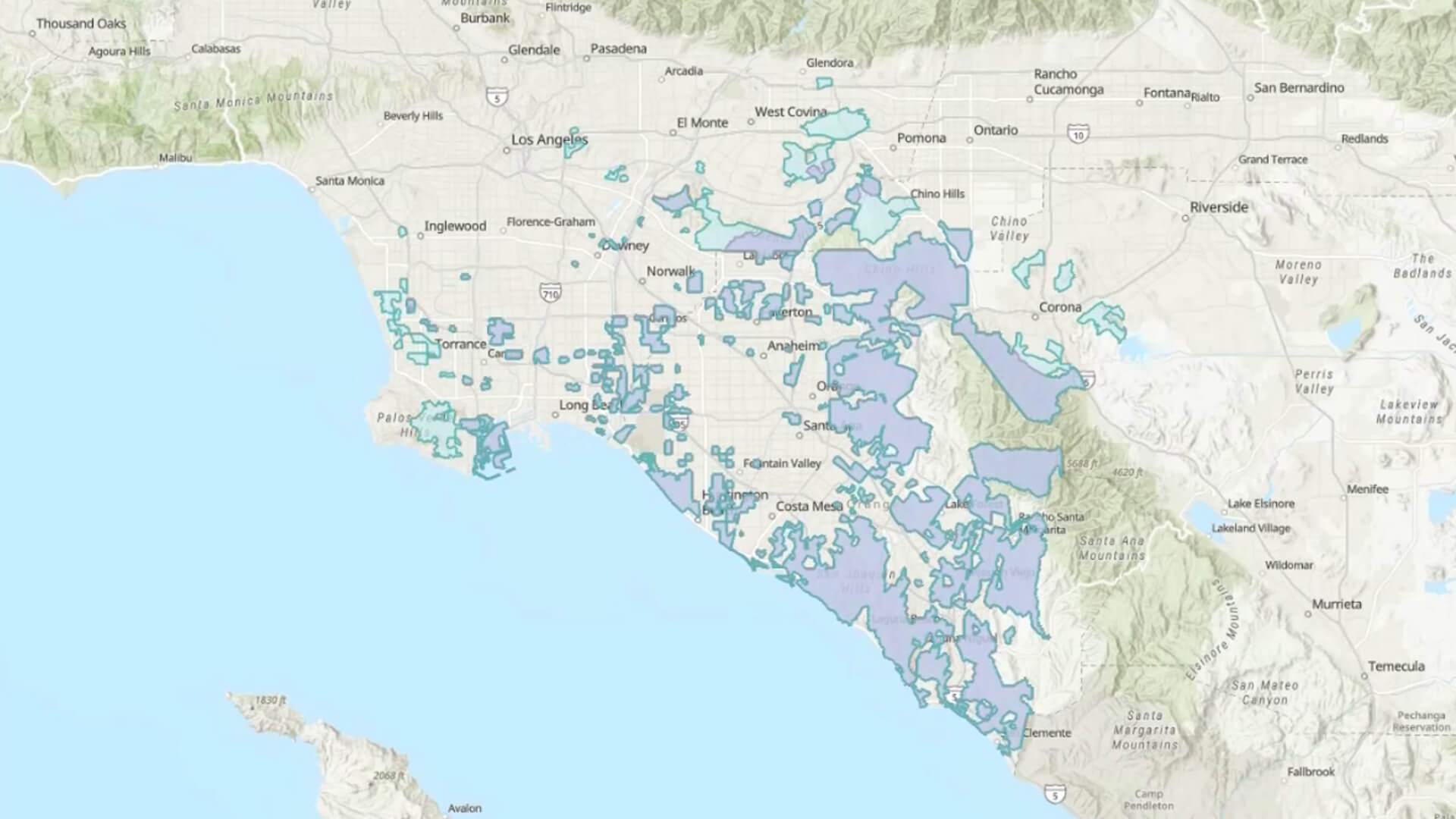
For the thirteenth consecutive year, Chicago has been named the top US metro for corporate facility investments by Site Selection magazine. In 2025, the greater Chicago metro area attracted more than 600 projects involving construction of manufacturing facilities, warehouses, offices, data centers, or other business operations.
Chicago economic development officials reported a 40 percent year-over-year increase in such projects, representing an estimated 19,600 new and retained jobs and more than 26 million square feet of new or expanded commercial and industrial space.
The next most-popular metros for new or expanded business operations were the Houston area, with just under 600 projects; Dallas–Fort Worth, with 410; and New York–Newark, with 268.
Behind all those projects is a complex decision process: a company that weighed dozens of variables—from transportation access to tax incentives—across multiple locations and chose to invest a significant amount of capital. To de-risk site selection decisions, industry leaders have long relied on geographic information system (GIS) technology.
The Science of Top Business Destinations
Site Selection based its results on data from parent company Conway, which tracks new construction and expansion of manufacturing plants, distribution facilities, data centers, headquarters, offices, call centers, and R&D facilities.
The transportation advantages that have fueled Chicago’s streak as a top business destination—converging rail lines, interstate highways, air cargo capacity, and Great Lakes access—carry extra weight for companies siting distribution centers or manufacturing plants.
But for any company, including retailers, banks, and tech firms, site selection is a high-risk, high-reward undertaking. Specific priorities differ—freight access for a distribution center, workforce availability for a manufacturer, the right consumer demographics for a bank branch. And yet the challenges are often the same: Too many variables, too much capital at risk, and too little margin for error. With the location science of GIS, companies clearly see sites in the context of key priorities and arrive at better site selection decisions.
For a national wellness franchise, the top factor for every location decision is customer proximity. The company used location analytics to nearly double its clinic count, expanding to almost 1,000 locations in 41 states. Each year, the analytics team takes stock of prevailing customer traits like income, age, and lifestyle preferences. Then they map markets and retail settings where those consumers already spend time. To identify the best sites, they also analyze elements like visibility, square footage, and proximity to complementary businesses such as organic grocers.
Expanding—and Contracting—in the Right Locations
Location analytics helps a large US bank drive expansion while improving efficiency. By analyzing market signals on a map, the company places branches in “high-opportunity areas,” according to the vice president and senior branch channel market planner. “This has directly contributed to accelerated market share and deposit growth,” he recently noted. This same data helps the bank make smart decisions about consolidating or relocating branches with minimal customer impact.
Chicago’s 13th consecutive top ranking reflects the advantages—in infrastructure, workforce, and market access—that companies across industries weigh when choosing a location. But with so many regions for companies to choose from, the more durable insight runs one level deeper: No matter which industry is evaluating a market, or which variables define a winning site, site selection decisions benefit from sophisticated location analysis.
The Esri Brief
Trending insights from WhereNext and other leading publicationsTrending articles
December 5, 2024 |

January 11, 2024 |
May 26, 2026 |
September 22, 2026 |

October 6, 2026 |

April 7, 2026 |