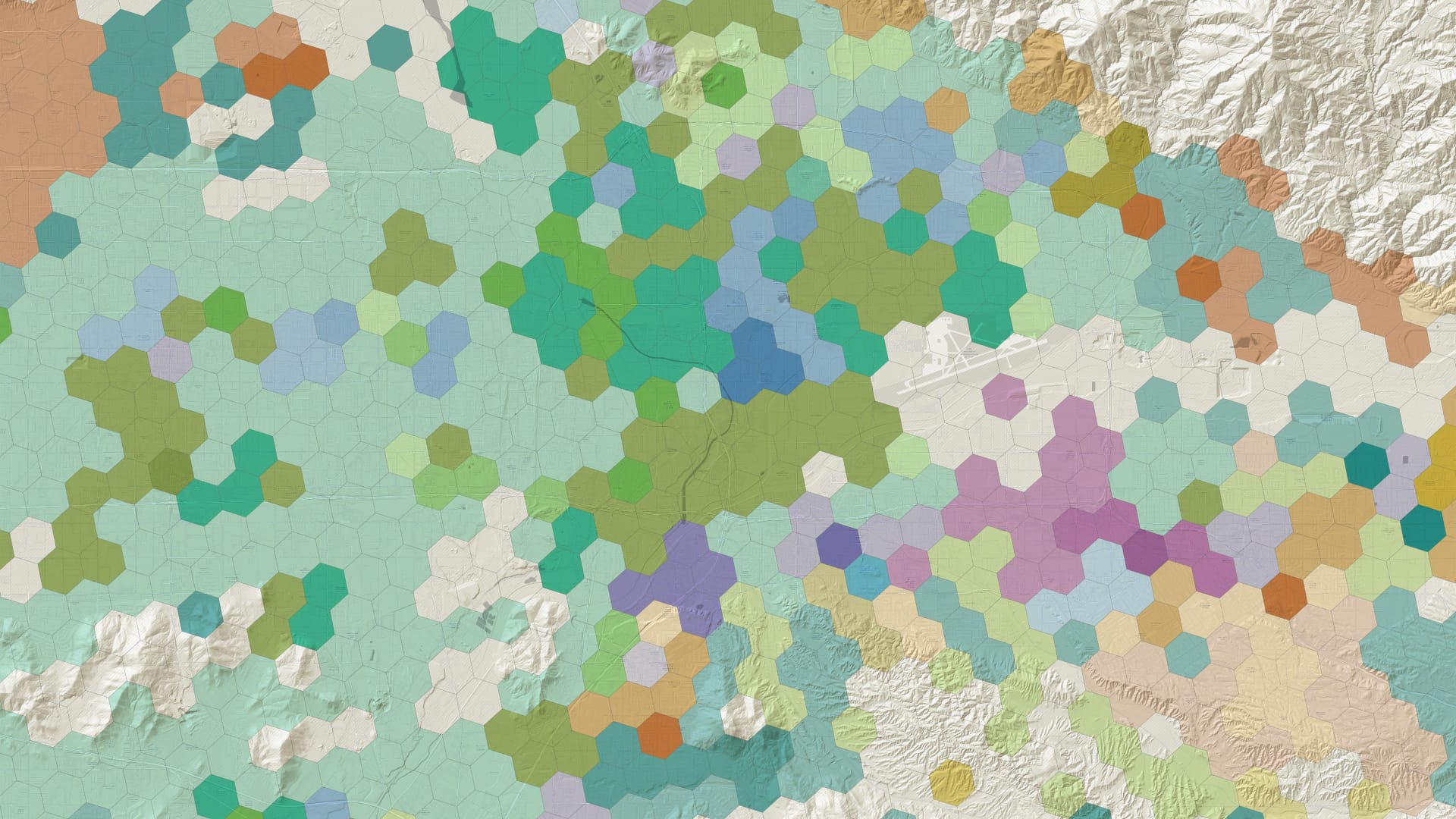
In too many pockets of the business world, GIS professionals struggle to break free of limited expectations. Their internal clients—real estate planners and security managers, supply chain leads and CXOs—routinely request maps but often fail to realize they can ask for much more.
That makes GIS professionals one of the business community’s most underutilized resources. At their best, GIS analysts provide three-dimensional answers to one-dimensional questions. Instead of offering a single view of data, they make sense of data overload. They create maps that illuminate today’s business conditions—and deliver next year’s projections.
If only their colleagues knew.
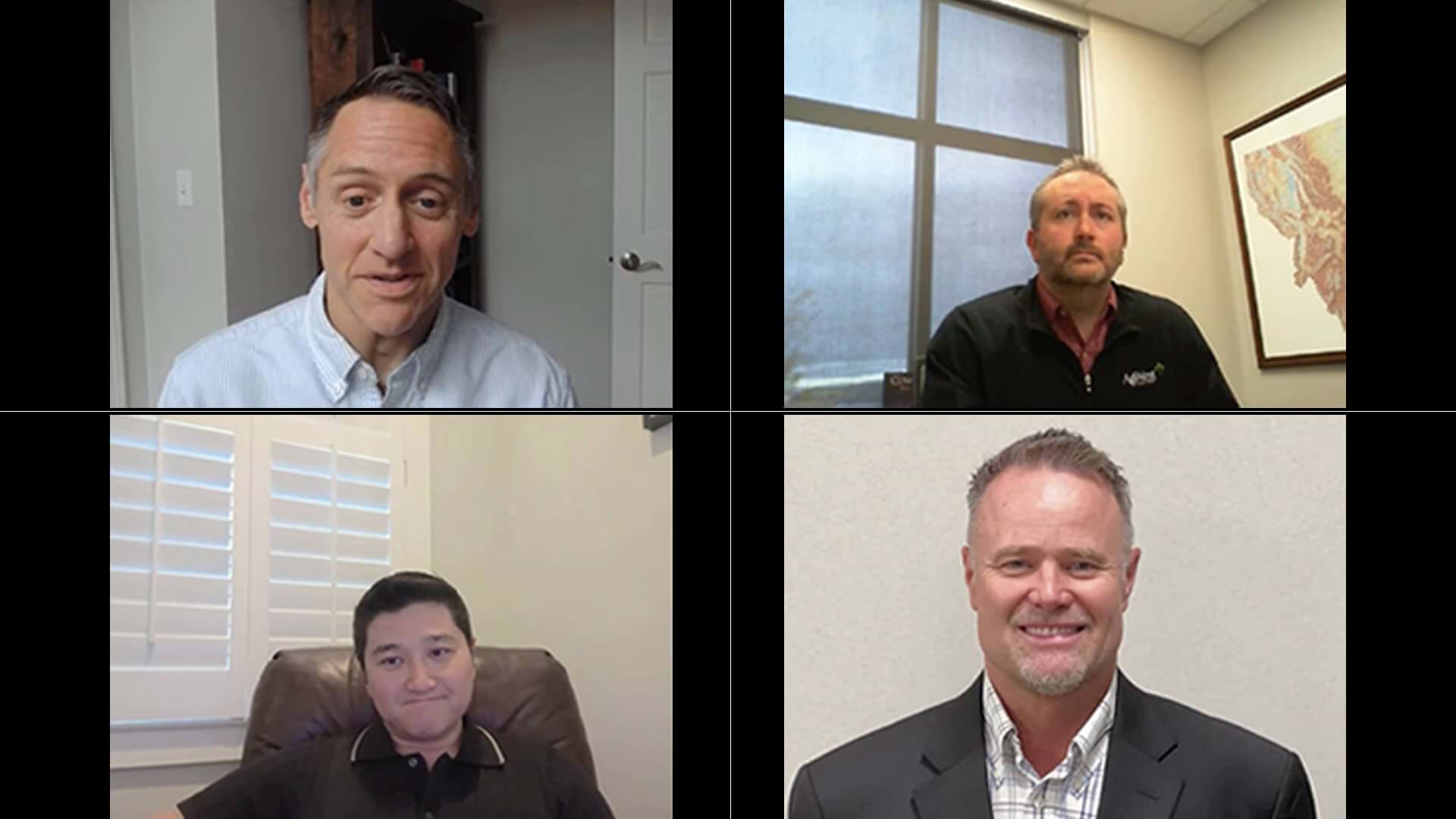
Thankfully, there’s a remedy for this expectation gap, according to business professionals from Google, Crescent Energy, and Trader Joe’s. Their insight—drawn from a November 2025 WhereNext webcast—resembles a road map any GIS professional can follow:
- First, learn what your colleagues want.
- Then surprise them.
Check out the video or transcript below for the details behind that formula—and a new way for GIS professionals to make use of their skills.
Chris Chiappinelli, WhereNext: Jorge, I wonder if you could share a practice or a philosophy that you learned from a mentor, and what happened when you actually applied that in your work?
Jorge Cabanas, Trader Joe’s: The one thing that’s resonated with me especially, that really relates to the real estate world, is do exactly what they ask for and then show them how you would approach the question or problem. This really resonates in real estate just because [there’s] a lot of, “That’s how we do things.” People have been doing it X amount of years, [the] decades they’ve been in real estate brokerage, whatever it may be, and they’re just used to looking at a piece of paper, a PDF file, still scanning and marking things up by hand. And us—really wanting to push technology forward—a lot of these times, instead of just being the machine of just getting the deliverable over, it gives me the opportunity to see, “How can I improve this and how can I improve their understanding of this overall question, whatever it may be.”
One specific example I can think of is just meeting with certain leadership and wondering whether a specific market in the United States was good for us to enter at the time. Are we ready for this as a company? Or whatever the overall questions may have been. And there was just one approach that they were looking at to solve this problem with.
And I found it a great opportunity to really implement my capabilities, GIS specifically, of creating a couple dashboards, putting a story map together, making some web apps, and coming up with some analysis that they hadn’t seen prior, which in turn convinced them and made them feel comfortable with their decision: “Let’s start exploring this market and see if we can open a store here one day,” after years of being on the fence and wondering whether that would be the right company decision to move forward.
WhereNext: Megan, let’s go to you—a particular question about mentoring GIS analysts: What’s the best advice you would give analysts if you could talk to them about soft skills?
Megan Southerland, Crescent Energy: In my line of work, we’re largely customer service, so we’re customer request-driven. So getting to know your customer that’s requesting a map or analytic or data deliverable from you is really important, from my perspective. And if you don’t know them, taking the time to sit with them and getting to know them. And this goes back to something that Jorge was speaking on previously—becoming your own advocate for how your skill set can provide value [to] their process or needs. Sometimes there’s a gap between what people understand that you can do and what you feel can add the best value.
So sitting with them, understanding where they’re coming from, what question are they trying to answer, and then sitting with that and understanding what possibilities that you can collaborate with on their request. I take it as my job to read between the lines on what you’re asking of me and the best that I can provide to you.
WhereNext: Let’s go to Agnetha and ask a slightly different question. If you [could] have a conversation with your younger self, what specific technique or tactic would you tell her to change specifically in her communication with executives?
Agnetha Garcia, Google: I would tell her to know your audience and to know what to share and when to share. As a person, I tend to be very passionate about solving problems, like we were talking before, and that drives me. Coming up with a solution, creative solution, tying things together, tying a team together, tying people together. But sometimes what I’ve learned is the leadership just wants to know, “Which way are we going?” They’re not interested in a lot of the details.
So I would tell my younger self to understand your audience and to know how much to share and when to share.
The Esri Brief
Trending insights from WhereNext and other leading publicationsTrending articles
December 5, 2024 |

January 11, 2024 |
May 26, 2026 |
September 22, 2026 |

October 6, 2026 |

April 7, 2026 |