States across the country have become increasingly assertive in tackling the housing affordability crisis. State legislatures are now shaping land use, zoning, and development approvals to spur housing production, reduce regulatory barriers, and address the broader economic and social impacts of housing shortages.
Since 2022, at least 15 states—including California, Florida, Texas, Colorado, and Maryland—have enacted significant legislation aimed at accelerating housing development. Most of this legislation is bipartisan, with key bills sponsored by both Republicans and Democrats. While the details vary by state, a common set of themes is emerging. These legislations have profound implications for local planning departments, property developers, and local elected and appointed officials. Centered around much of it is the limitation or outright elimination of NIMBYism.
States Shift the Balance to Housing Development
One of the most transformative trends is state preemption of local zoning authority. In states like Oregon, Washington, and Maine, legislatures legalized duplexes, triplexes, and even small multifamily buildings in areas that were previously zoned exclusively for single-family housing. These policies aim to unlock development capacity in existing neighborhoods, particularly in places where infrastructure and services already exist.
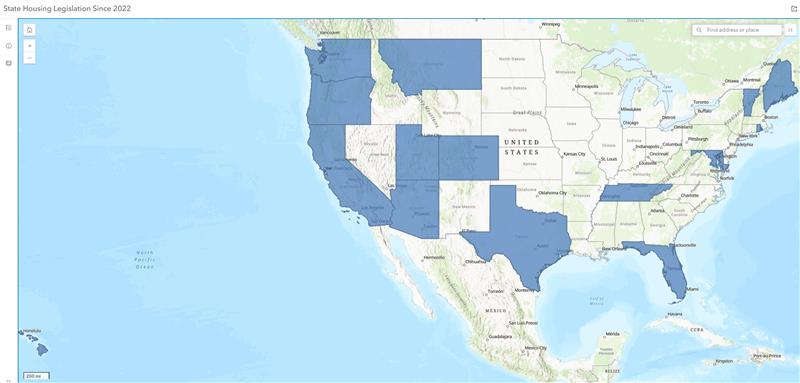
Other states, including Arizona, Montana, and Hawaii, have gone further by requiring cities to allow higher-density development by-right in designated zones or across broad areas. These measures come with statewide mandates that reduce or eliminate discretionary local review, removing barriers to the needed housing supply.
NIMBYism’s Kryptonite – Administrative Approvals and Permit Reform
Another central theme is the push for administrative or “by-right” approvals. These enable housing projects that meet objective standards to proceed without public hearings or discretionary votes. This model, already adopted in California and spreading to states like Texas, Rhode Island, Florida, and Vermont, is designed to make the development process faster, more predictable, and less vulnerable to delay or litigation. In other words, if the proposed development checks all the boxes and meets the zoning ordinance requirements, it goes through.
Some states have also introduced reforms to limit local permitting delays. For example, Tennessee now allows developers to use certified third-party inspectors if local agencies stall, while Colorado has passed legislation to reduce legal barriers for approved projects facing lawsuits.
Density, Transit, and Commercial Redevelopment
A common theme among many of the states is the promotion of higher-density development, particularly near transit and job centers. Colorado, Maryland, and Utah have passed laws requiring or incentivizing zoning that supports greater residential capacity near rail stations and high-frequency bus corridors. These policies reflect a core tenet of economic mobility that land use and transportation planning must be integrated to support sustainable growth.
In parallel, several states are targeting underused commercial properties as opportunities for residential redevelopment. Florida’s Live Local Act and Hawaii’s 2024 legislation both allow affordable or mixed-income housing to be developed on commercially zoned land. This shift reflects changing retail patterns and the urgency of finding space for housing in built-out communities.

Florida State Senator Alexis Calatayud, a Republican serving District 38 in Miami-Dade County, was the key sponsor of the Live Local Act with the primary goal to enable affordable workforce housing. Empowering people to live where they work promotes economic mobility and reduces traffic.
What This Means for Local Governments
For planners and administrators, these laws signal a new era of state-local dynamics in land use regulation. Traditional tools like zoning maps, future land use plans, and permitting procedures are being redefined by state mandates. While this can present challenges, especially for local governments with limited capacity, it also creates opportunities for planners to reimagine how their communities grow.
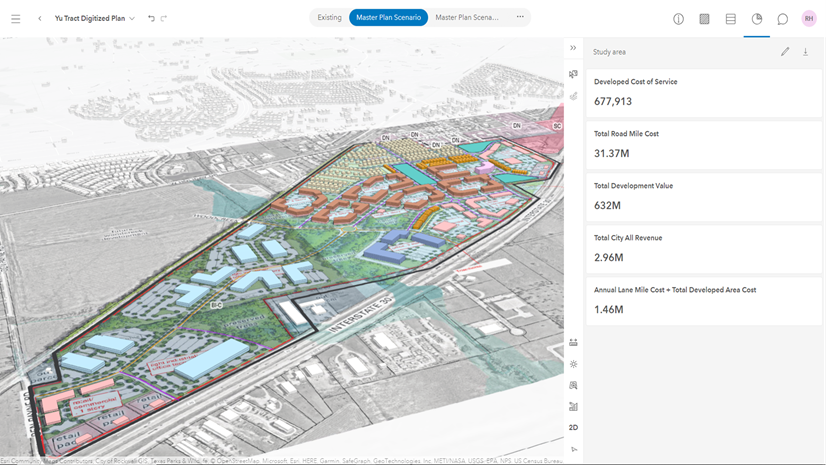
Housing is driven by location, which makes the use of GIS in this process more important than ever. ArcGIS works as a planning system that empowers communities to play out development scenarios and measure their impact (e.g. new households, jobs, tax revenue, utility usage, etc.) even before the first site plan is submitted. GIS also shortens the development review process through automation and analyzing potential changes with developers in a rapid, authoritative fashion.

Whether driven by affordability concerns, workforce housing shortages, or environmental sustainability, state legislatures are no longer on the sidelines of housing policy. They are taking direct action to expand housing supply, often stepping into local territory with bold new mandates.
As this trend continues, cities and counties will need to adapt—and GIS is central to making that adaptation successful. Stay updated on how how GIS is being used in housing initiatives across the country by subscribing to Esri Community Development News.