
Transit Asset Management and Maintenance

Extend asset life, reduce downtime, and maintain a State of Good Repair with transit asset management software.

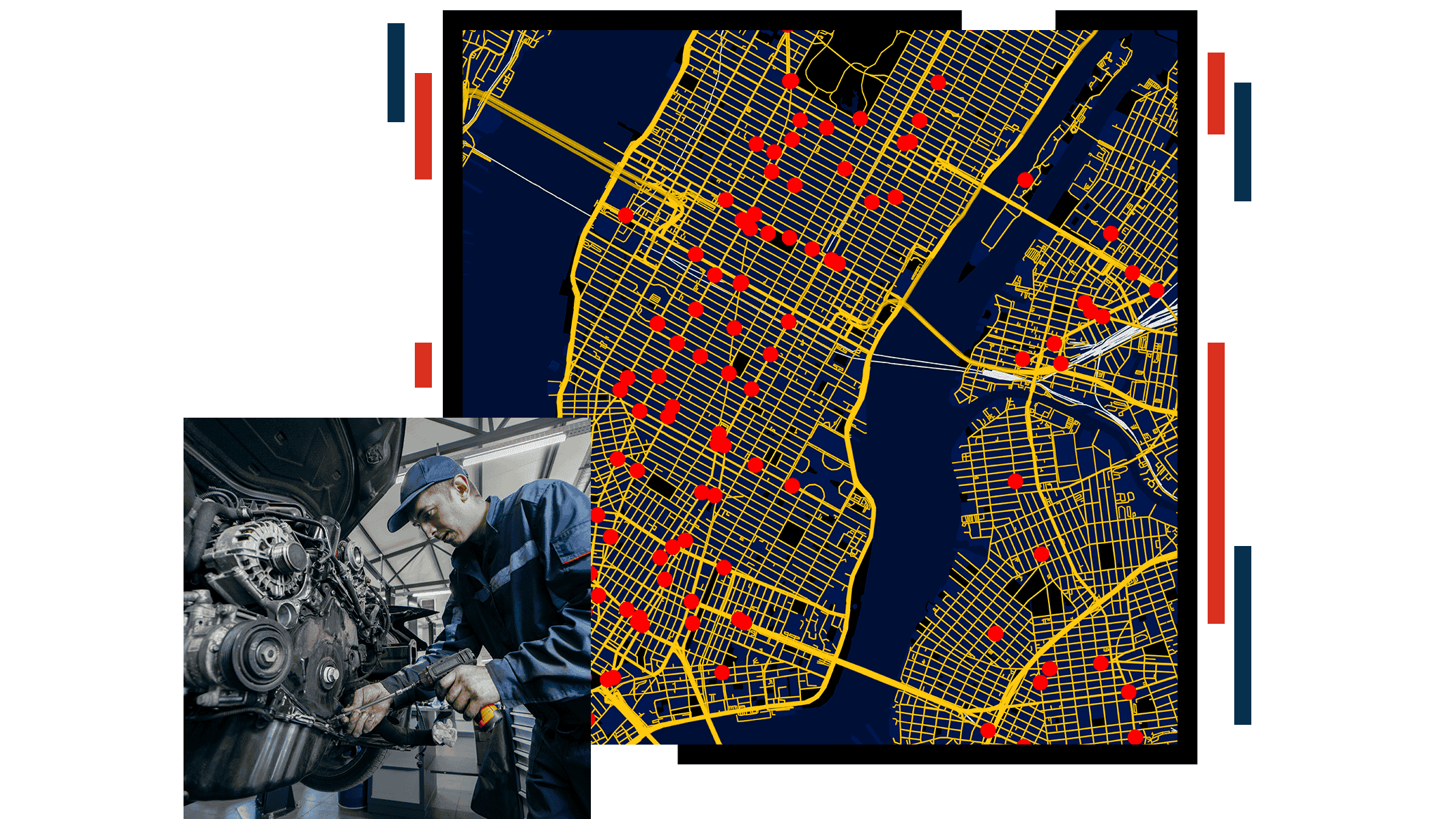
A map of Manhattan displaying bridges and streets highlighted in yellow and subway stations with red dots overlaid with an image of a mechanic fixing an engine

Location is central to transit asset strategy

Transit agencies use ArcGIS to track asset condition, optimize the asset life cycle, and meet federal repair requirements. By integrating inspections, field data, and real‑time sensor feeds in one system, teams can spot risks early, prioritize preventive maintenance, and reduce unplanned downtime.

Produce auditable reports for federal mandates

Centralize enterprise asset inventories, condition assessments, and maintenance records into a single transportation asset management system. This makes it easier to automate reporting, National Transit Database submissions, and Transportation Asset Management Plans (TAMP).

Dashboards and structured data models streamline State of Good Repair reporting and reduce administrative effort and risk by keeping stakeholders aligned with accurate, up‑to‑date information.

An ArcGIS Dashboards interface displaying a map next to data and an image of a bus stop shelter

Model degradation with inspection data

ArcGIS helps transit agencies move from reactive fixes to proactive, predictive maintenance. By combining inspection data, sensor feeds, and historical failure patterns, teams can model degradation, identify root causes, and prioritize repairs that extend the asset life cycle.

This approach supports State of Good Repair requirements and strengthens long‑term reliability across pavements, bridges, and highway systems.

An ArcGIS Dashboards interface displaying inspection metrics next to an assessment survey

Optimize labor, materials, and maintenance schedules

Transit agencies use spatial analysis and field data to deploy crews, equipment, and materials where they’ll have the highest impact.

Mapping repeat failures and environmental drivers helps optimize preventive maintenance cycles and reduce unnecessary work. Integrations with existing enterprise systems support seamless integration for fleet, facilities, and corridor assets—improving responsiveness and safety.

A person wearing a safety vest performing an inspection on a rail car in a train station

Give crews smart, location‑based tools

ArcGIS Field Maps and ArcGIS Survey123 let maintenance teams use mobile phones and tablets to collect asset condition data, document repairs, and update digital records anywhere.

Indoor maps support station and facility workflows, from space planning to safety drills. Drone imagery accelerates inspections for hard‑to‑reach infrastructure. These features turn ArcGIS into powerful, field‑ready transit asset management software that keeps teams connected and informed.

A worker wearing a safety vest using a tablet to inspect the outside of a bus

CASE STUDY

Digitizing maintenance for 10,000 bus stops

In St. Louis, inspectors use tablets to record latitude and longitude, answer questions, and take pictures of inbound and outbound routes in minutes.

Read the case study

Products for asset management

Use transit asset management software to understand travel patterns, identify service gaps, and support data‑driven transit plans that move communities forward.

Previous
Next

Contact Sales

Please share your information and our sales team will contact you soon. We look forward to communicating with you.