August 5, 2025 |
John Beck | Public Safety
January 13, 2026
Oklahomans were understandably exuberant when the Oklahoma City Thunder clinched the 2025 National Basketball Association (NBA) championship—the team’s first title since moving to Oklahoma and the state’s first ever major professional sports championship.
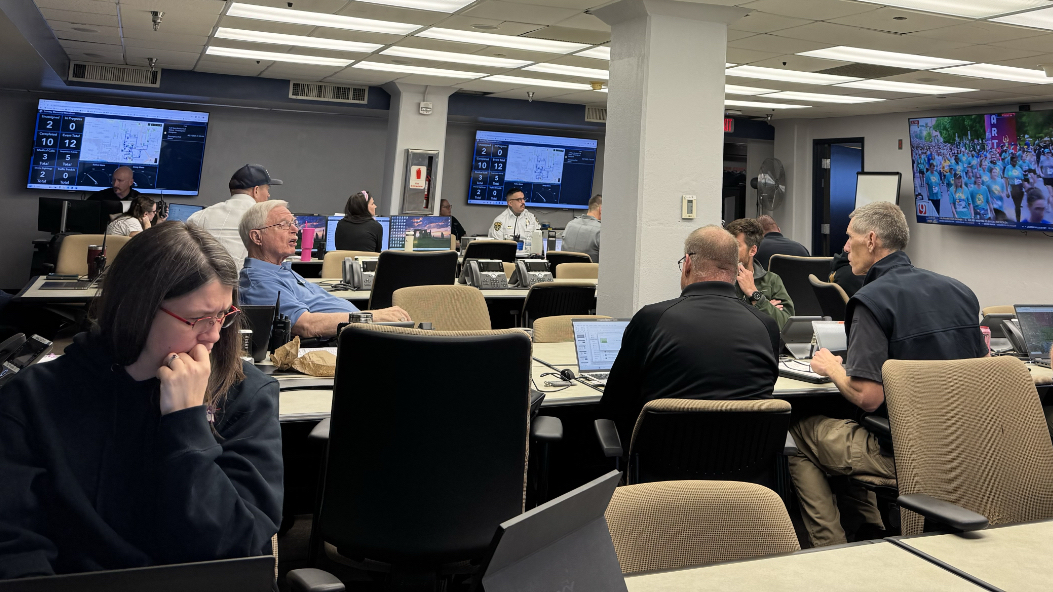
On the late June morning of the celebratory parade, an estimated 500,000 fans gathered along the route. It was the largest crowd in the city’s history. To keep everyone safe and keep routine city operations flowing, the Oklahoma City Police Department established a command center and coordinated a large force of officers, first responders, and volunteers.
For Police Captain Audrea George, parade day represented a significant operational challenge. The compressed timeline, massive crowd, and high-profile nature of the event created multiple risk factors that required careful coordination. She monitored her radio and her screen as her staff gathered updates from every checkpoint, every intersection, every critical juncture along the 10-block path.
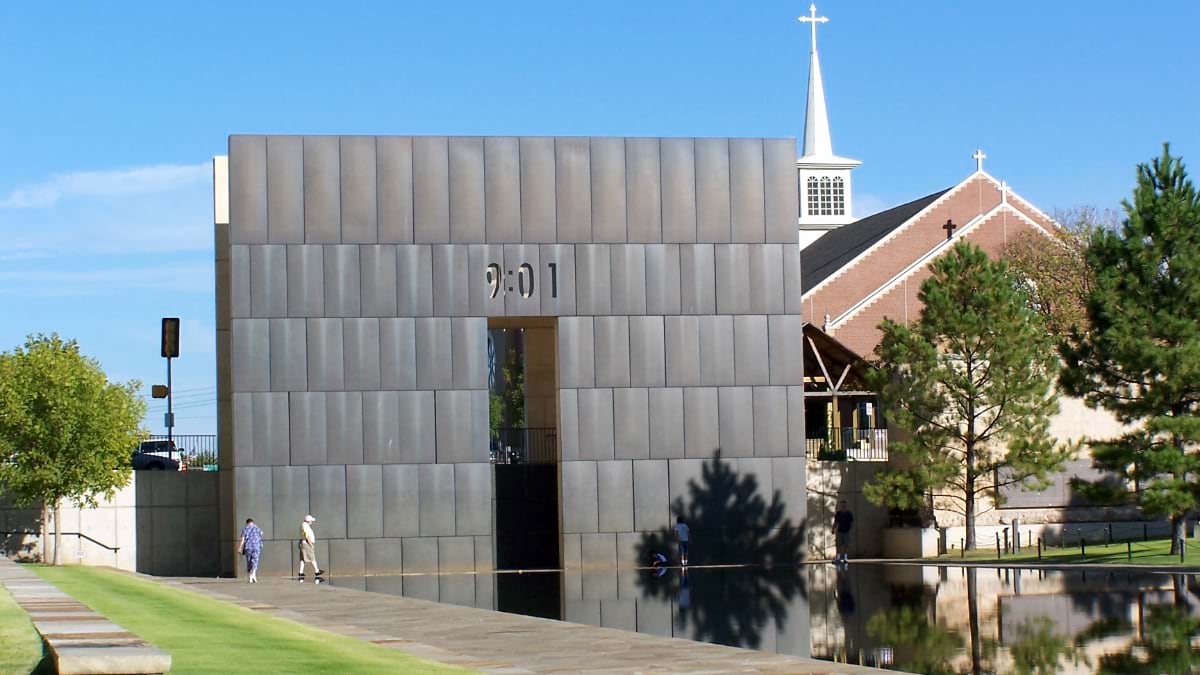
Thirty years earlier, the devastating bombing of the Alfred P. Murrah Federal Building had prompted the Oklahoma City Police Department to make strategic investments in training and preparedness for large-scale public events. The bombing was what had motivated George to join the police force, and she was in the first class to graduate following the tragedy.
Today, the department’s commitment to professional development and operational readiness shapes its approach to event management. George leads the security planning and response efforts to protect large-scale events.
When the Thunder won Game 7 of the NBA playoffs, George and her unit—known as Special Protection, Events, and Emergency Response, or SPEER—had just 24 hours to prepare for what would become the largest celebration in Oklahoma City history. Public safety planning began immediately. The operation required a systematic, data-driven approach.
In sports, there’s an old superstition about not planning victory parades too early—it’s considered bad luck. Most cities would struggle with such a compressed timeline. But Oklahoma City was ready with modern geographic information system (GIS) technology that powered real-time coordination. Captain George and Master Sergeant Kevin Long, SPEER’s GIS specialist, had refined these capabilities for years while managing complex events.
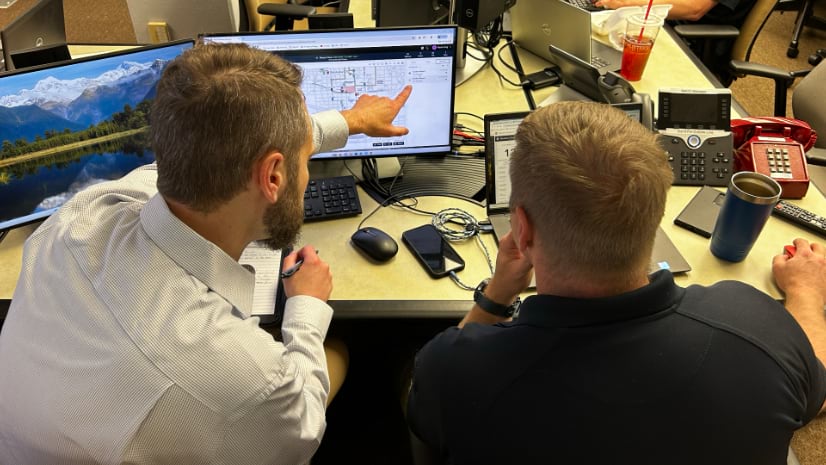
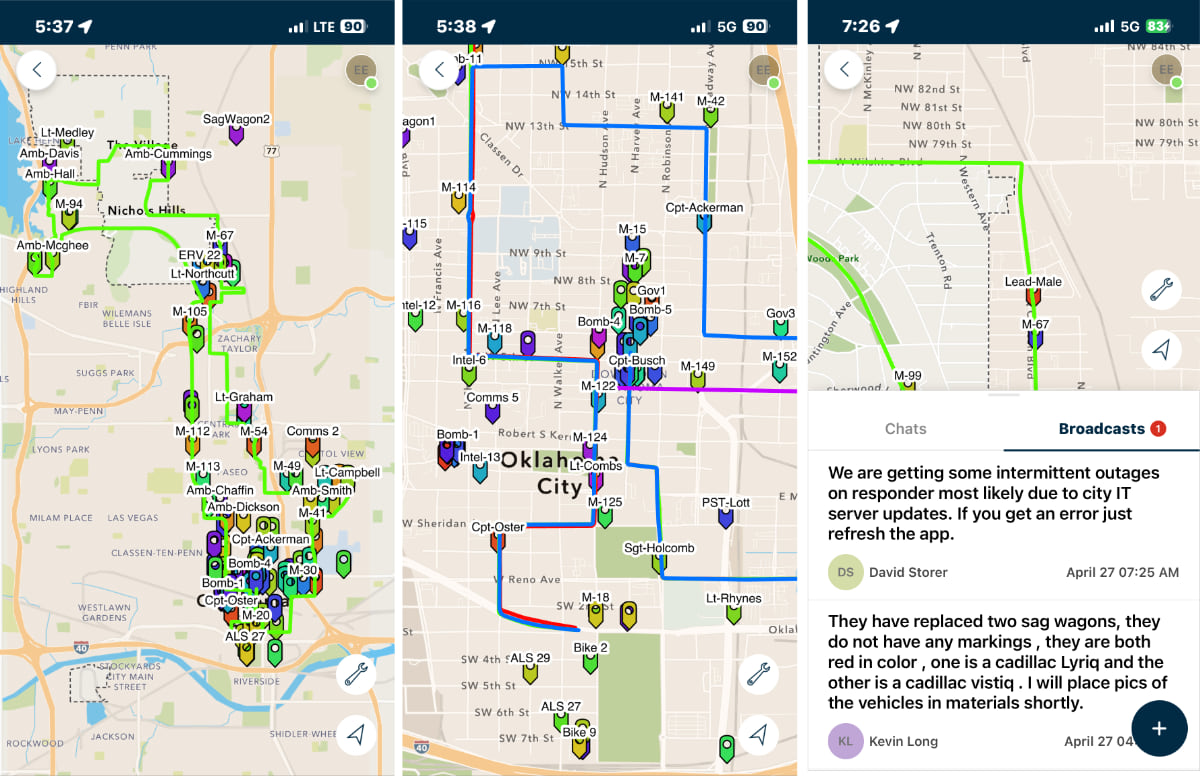
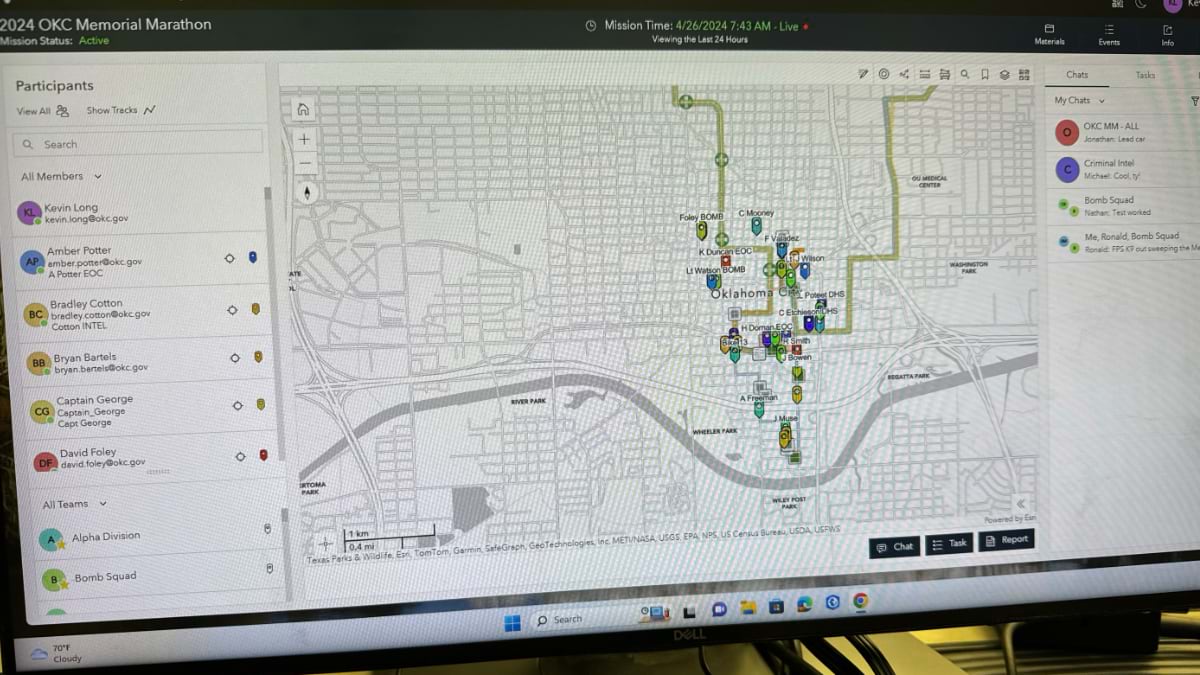
“This is exactly why we built these capabilities,” Long said, recalling how he swiftly mapped a parade route with the GIS-powered ArcGIS Mission situational awareness tool. Within hours, George and Long had analyzed crowd flow patterns, identified optimal officer placement, located every security checkpoint, and mapped emergency response corridors.
The technology proved its worth immediately. As George explained, “Just looking at the map with that real-time location data [we could see]—oh hey, there’s a gap right here.” On the map she could watch each officer fill those coverage gaps as they moved into position.
On parade day, George deployed a hands-on leadership approach. Rather than directing from the command post, she moved through the crowd, monitoring critical points and redirecting traffic flows when bottlenecks formed.
Decisions were informed by real-time data—tracking crowd density metrics, coordinating with federal agencies on designated security zones, monitoring emergency resources and corridor accessibility. All security personnel could access the operational picture on their devices.
Despite the 24-hour timeline, all officers and emergency responders knew their assignments and were equipped to adapt as conditions changed. The planning process had emphasized flexibility and ongoing communications to address emerging challenges.
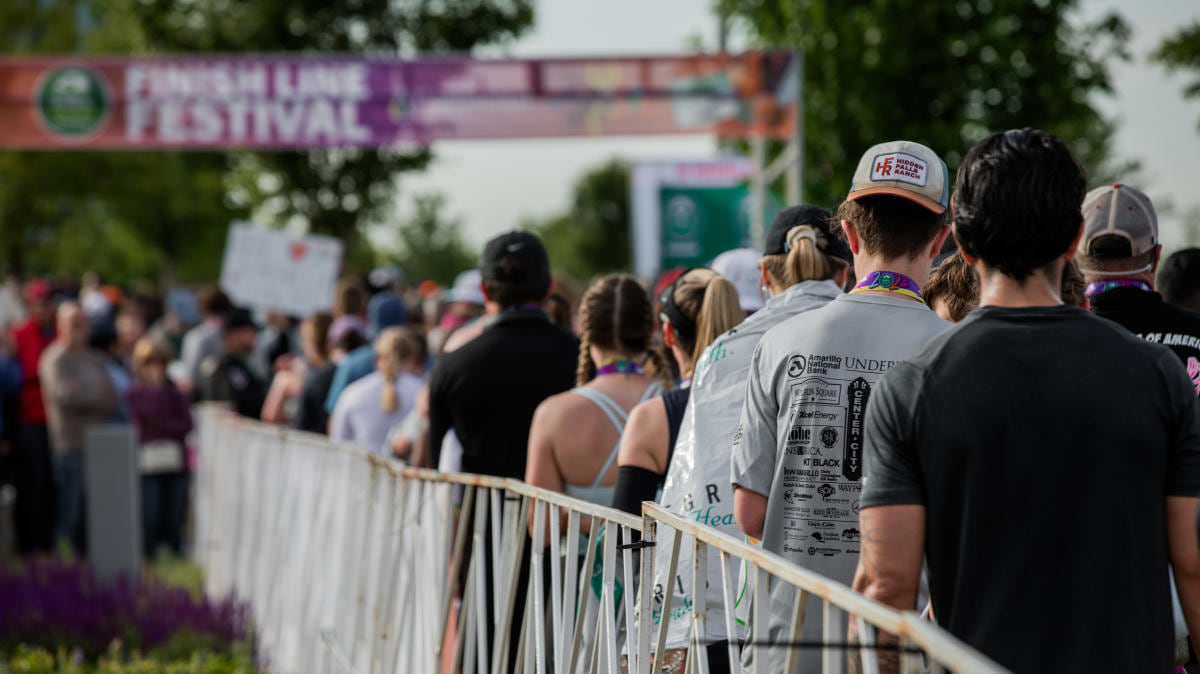
Though monumental, the NBA championship parade was not the police department’s first run at a large-scale event.
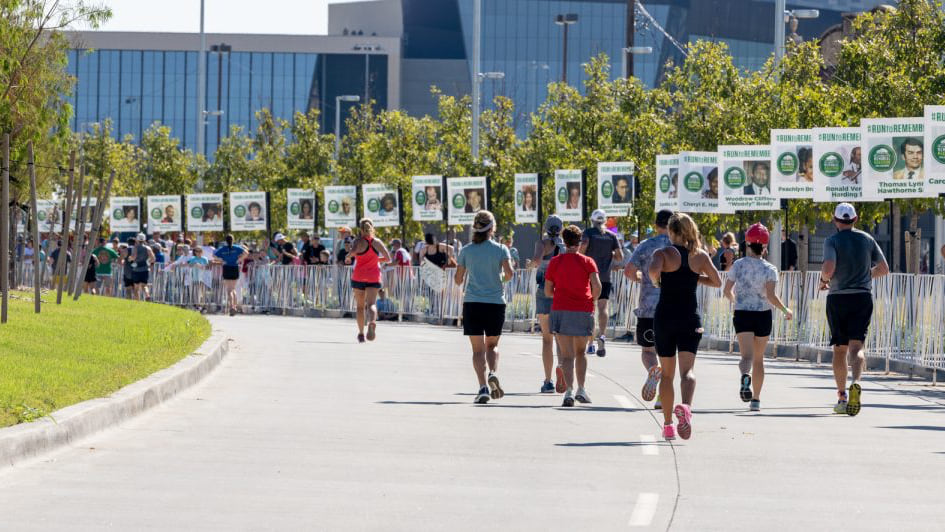
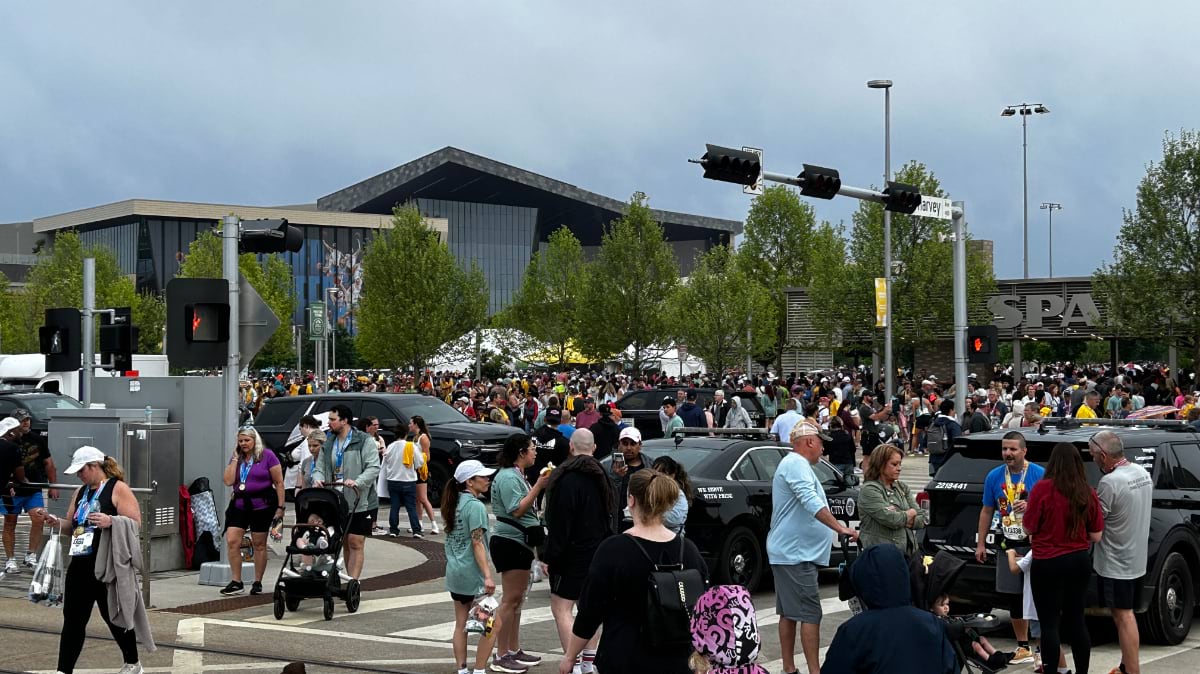
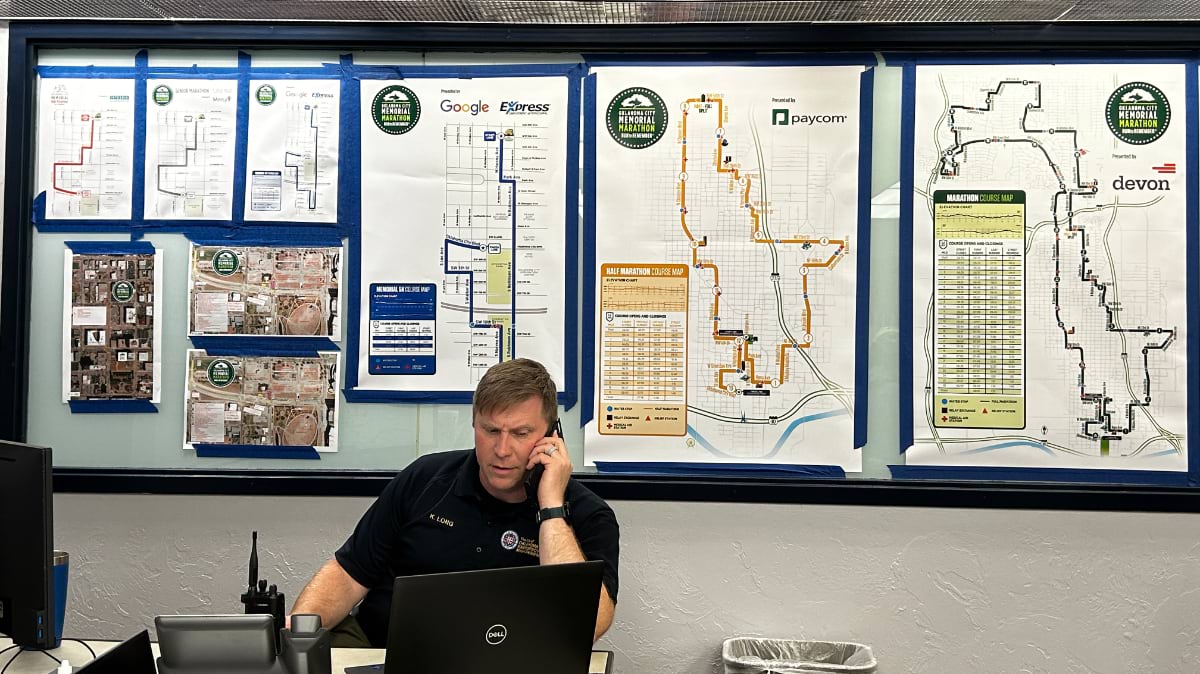
They have covered the Oklahoma City Memorial Marathon for over two decades. The annual event honoring the 168 bombing victims has provided both remembrance and operational training. Every marathon is an opportunity for George and her team to refine their operational approach. They study crowd patterns, anticipate traffic bottlenecks, and adjust resources before safety problems materialize.
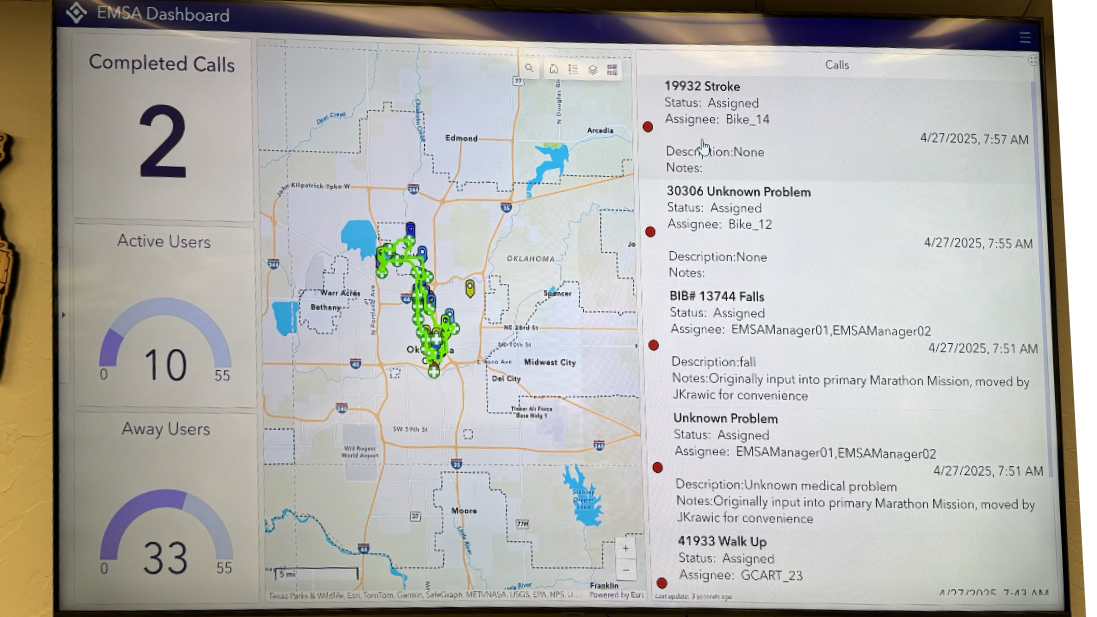
The marathon’s tracking system—monitoring 27,000 participants and security staff across the city—serves as the foundation for managing other events. Its annual data collection opportunities have informed operational improvements. From there, the department has been able to generate performance metrics on crowd management protocols, resource deployment efficiency, and incident response times—data that directly influenced parade planning.
Officers managing the annual marathon use templated GIS surveys and reports. They interview drone pilots, recording each pilot’s purpose and credentials to help manage airspace. They gather details on participating off-duty officers to prevent confusion during an emergency. Each solution reduces radio chatter while maintaining security protocols.
The real-time awareness also aids response to the typical calls for service that come during large events, including finding missing children, investigating suspicious items or individuals, and responding to medical emergencies such as cardiac and seizure incidents.
During the parade, GIS tools helped police officers keep the peace so the city’s championship athletes could celebrate alongside their fans. One moment stood out, captured in an iconic photograph, which shows the Thunder team bus with the Oklahoma City National Memorial & Museum directly behind it. On top of the bus, Thunder superstar Shai Gilgeous-Alexander stands with his back to the camera, arms spread wide in triumph and perfectly framing one of the memorial’s “Gates of Time.”
The image represents Oklahoma City’s evolution over three decades. And George’s career trajectory—from joining the force after the city’s tragedy to managing major celebrations—has paralleled the city’s development of robust public safety capabilities.
The parade progressed without major incidents. The crowd, while massive, remained manageable. The smooth execution reflected methodical planning and systematic coordination—every officer, emergency responder, and volunteer working within the plan. Where similar-sized events in other cities often generate arrests, injuries, or property damage, Oklahoma City’s celebration remained largely incident-free.
The parade concluded at Scissortail Park, its success demonstrating Oklahoma City’s ability to handle large-scale events. As crowds dispersed and cleanup began, George reviewed the operation’s success and identified areas for improvement.
In 2028, the Olympics will bring international attention to Oklahoma City for canoe slalom and softball competitions. The Olympics will require scaling to accommodate international coordination protocols, multiagency data sharing, and extended operational timelines. The infrastructure developed, systems tested, and experience gained by the police department will provide a foundation for managing that global event.