When the Industrial Revolution introduced power looms and mechanized knitting frames to factory floors, some workers smashed them with hammers. When massive steam dynamos were unveiled at the 1900 World’s Fair, some onlookers responded with religious awe.
By comparison, the public’s reaction to the world’s latest groundbreaking innovation—artificial intelligence—has been fairly measured. Businesses have shown cautious optimism as they integrate AI with existing systems, mindful of its power and risks.
In a new AI survey conducted by Pew Research Center in 25 countries, 42 percent of people reported that they feel equal levels of concern and excitement about AI. About a third lean more toward concern, while only 16 percent are more excited than worried.
In this survey and others, geography has emerged as a predictor of attitudes: The global south, for instance, is embracing AI with more gusto than residents of the global north, according to analysts at Boston Consulting Group (BCG).
Corporate leaders have greater enthusiasm for AI than the public but are largely implementing it conservatively. As companies seek to merge AI with enterprise technologies like geographic information system (GIS) software, they’re giving nontechnical audiences access to sophisticated analytics tools through generative AI assistants. This approach is likely to pave the path for more transformative change.
AI Survey: How You Feel About AI May Depend on Your Location
The closer people are to centers of AI innovation—geographically or within an organization—the likelier they are to feel strongly about it, positively or negatively.
The United States is a global leader in AI, home to companies like OpenAI, the creator of generative AI engine ChatGPT, and Nvidia, whose chips and hardware enable AI innovation. It’s a wealthy country too, which correlates with higher levels of awareness about AI, according to Pew’s research.
The US also has the highest rate of apprehension about AI of all the countries surveyed, with 50 percent reporting more concern than excitement about AI, 38 percent feeling equally excited and worried, and 10 percent feeling more excited than concerned.
By comparison, Kenya—sometimes called the Silicon Savannah for its rising tech scene—shows greater optimism about AI’s potential: Only 31 percent of respondents are more concerned, and 43 percent are equally excited and concerned.
Across the countries surveyed, Israel had the highest percentage of residents who are more excited than concerned about AI, at 29 percent.
For its part, the BCG survey found that 72 percent of business workers are regular users of generative AI. The study also found that people in countries with the highest usage had the highest fear of job losses.
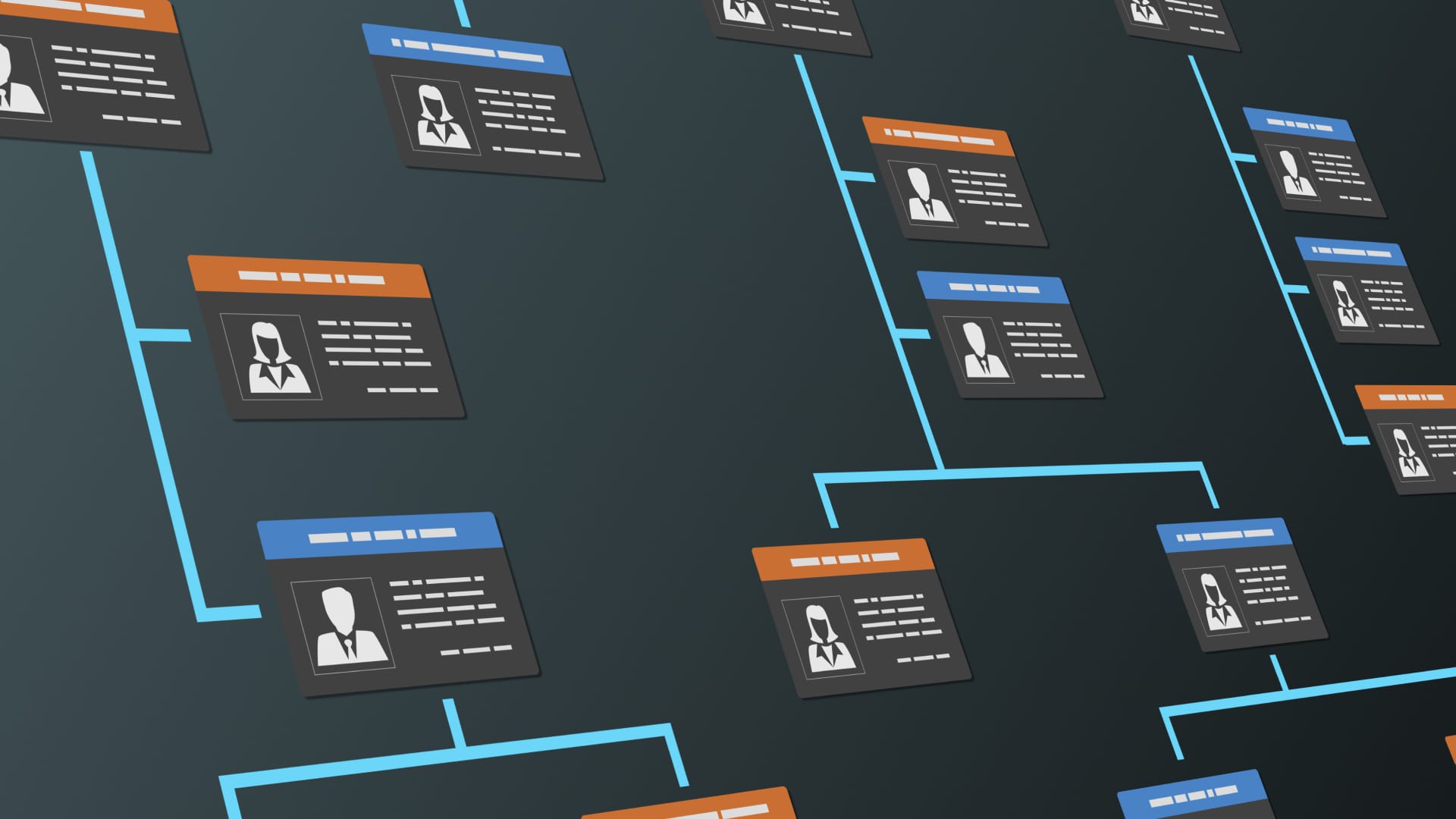
On the corporate org chart, C-suite leaders—who view new technologies through the lens of strategy and long-term vision—are most excited about AI’s potential, with 85 percent using AI, according to BCG. Among frontline workers, who may be the first to experience work changes wrought by AI, 51 percent already employ the technology.
Ask Me Anything: Democratizing Mapping and Analytics Through AI
For many businesses, the first steps in AI adoption involve AI agents or assistants. For instance, by combining generative AI with GIS—the mapping and analytics platform used by most Fortune 500 businesses—workers create applications, maps, or dashboards on demand through simple language commands.
A market analyst can quickly generate a map of a retailer’s highest-performing stores, or find areas where key customer groups are located, merely by using natural prompts.
Firms are also experimenting with geospatial AI to extract insights from huge datasets. For example, a utility company could use geospatial AI to forecast where winter storms will create the highest potential for damage to power lines and other assets.
Balancing Competitive Advantage and Risk
On a recent webcast exploring the use of GIS technology in the business world, an analyst from one of the world’s most recognized companies explained the firm’s approach to AI:
We’re in the stage where it’s really starting to shape GIS and location intelligence by improving predictive modeling and even automating data analysis. We’re always exploring AI tools, enhancing forecasting, site suitability modeling. It’s an interesting time to be in the field.
Businesses thrive by being the fastest to glean advantages from new technologies while minimizing risks to their organizations and customers. As corporate leaders gauge AI sentiments among their own ranks and the general public, they’re already discovering the early fruits of a once-in-a-generation technology.
The Esri Brief
Trending insights from WhereNext and other leading publicationsTrending articles
December 5, 2024 |

January 11, 2024 |

May 26, 2026 |
September 22, 2026 |

October 6, 2026 |

April 7, 2026 |