In a development sure to make the hair on a security executive’s neck stand up, thieves are breaking into solar farms and carting off high-value hardware, leaving behind damage that can run into the millions.
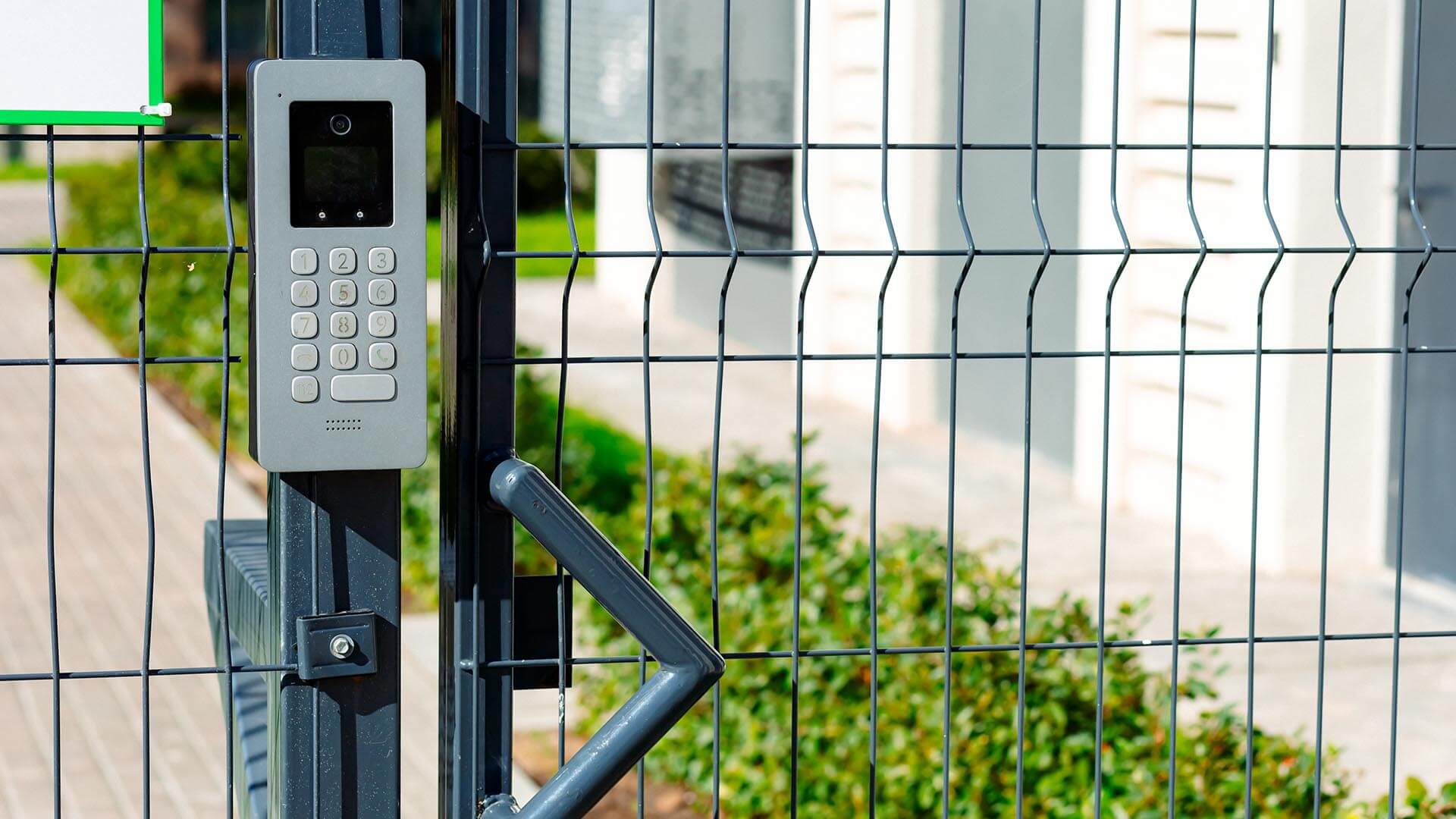
Recent incidents of theft show geographic diversity and varying levels of sophistication. In 2024, a 63-year-old Fresno, California, man was arrested on suspicion of stealing copper from a local solar farm to sell for cash. In 2025, a group of masked men in Ohio loaded solar panels onto a trailer and made a bumbling escape before police arrived. In early 2026, criminal groups across Chile began cutting fences, disabling security devices, plundering solar installations, and selling the spoils on the black market, according to Bloomberg.
The threat isn’t unique to solar businesses—or even the energy sector. From utility and natural resource companies to retailers, safeguarding operations and assets is an increasingly demanding task. Some corporate security executives and operations managers are making sense of the situation by putting their operations on a map.
With Assets in Jeopardy, Clear Vision Is Key for Security Executives
For energy executives, threats to solar infrastructure carry echoes of the past. In the early aughts, a rapid run-up in copper prices and an expanding opioid crisis set the stage for thefts at electrical substations, railroad control boxes, and other sites, according to the FBI.
Today, as some commodity prices flirt with all-time highs, thieves are using ever more innovative—and dangerous—methods to ransack infrastructure for cash. Utilities and other companies that have long used digital maps to track field assets are now finding such visibility invaluable in security work.
One Midwestern power producer uses maps made with geographic information system (GIS) software to analyze outages related to copper theft. According to the company’s director of engineering and operations, GIS tools “enable data-driven analyses, which enhance system reliability and reduce costs.”
An electric and gas utility in the Southeastern US enlisted a map-based threat awareness dashboard, enabling security personnel to see geographic patterns in operational threats. With that clarity, the team was able to set up targeted defensive measures.
Operational Security Beyond the Field
As criminal activity flows into other areas of the economy, GIS analysis is expanding, too.
Retail brands faced significant security challenges in recent years when shoplifting incidents rose. In response, an industry group known as the Loss Prevention Research Council began using GIS analysis to spot patterns in retail crime and give retailers the operational awareness they need to keep assets, employees, and customers safe.
In remote areas, location software is creating visibility that helps authorities combat illegal activity. One multinational task force in Brazil, Colombia, Ecuador, and Peru is using GIS analysis to understand how stolen fuel is routed, trace it to the heavy machinery used in illegal mining and logging, and shut down unauthorized operations.
As criminal schemes grow more sophisticated—and potential business losses more severe—the night watchman of old is fading into obsolescence. Companies are adopting an all-hands-on-deck approach to operational security, relying on the analysts and location technology that bring clarity to corporate threats.
The Esri Brief
Trending insights from WhereNext and other leading publicationsTrending articles
December 5, 2024 |

January 11, 2024 |
May 26, 2026 |
September 22, 2026 |

September 15, 2026 |

June 5, 2025 |