
Transit

GIS-powered public transportation software for planning, operating, and managing connected transit systems

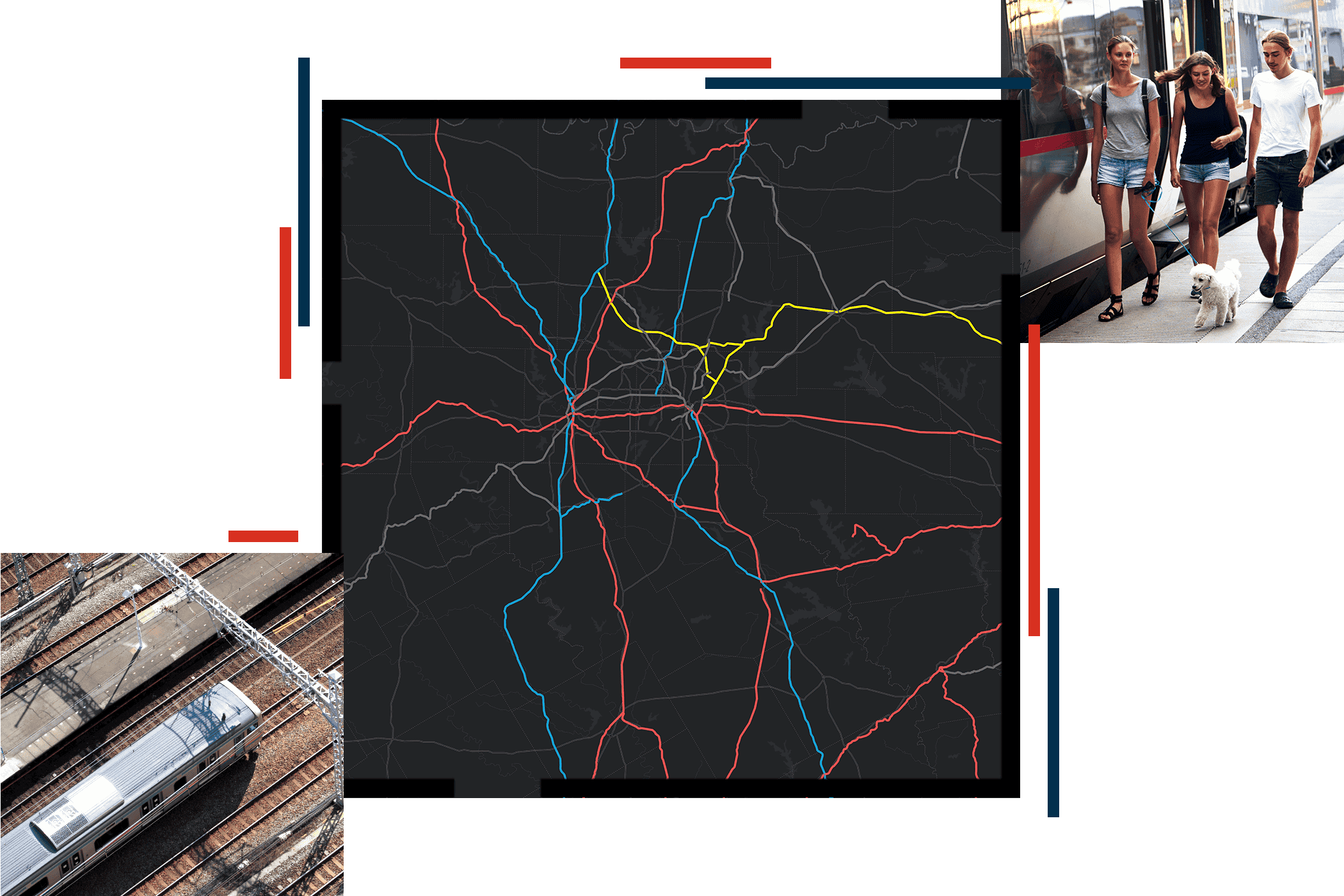
An abstract map with multicolored lines that intersect overlaid with images of a train yard and people walking near a train

Power public mobility solutions with ArcGIS

ArcGIS software helps transit agencies manage complex transportation networks by unifying routes, schedules, vehicles, assets, and real‑time data in one platform. This shared enterprise view enables smarter, faster decisions that expand transportation options, reduce traffic congestion, and improve the rider experience.

Location is built into transit’s business

Every transit decision—from planning routes and managing assets to delivering reliable, equitable service—depends on understanding where things happen.

ArcGIS software embeds location into your workflows, connecting data across departments to power smarter planning, real‑time operational awareness, and safer systems. Discover how leading transit agencies use GIS to modernize operations, meet mandates, and build transit systems riders can count on.

A modern, fast moving commuter train on tracks overlaid on a green asset map

Frequently asked questions

Find answers to common questions about using ArcGIS for public transit.

Public transit agencies use ArcGIS to plan service, manage operations, and share transit information using location‑based data. It combines route, stop, schedule, ridership, and real‑time vehicle data in a single, spatially aware system.

This shared view helps teams work from the same information and coordinate decisions across transportation agencies and authorities.

ArcGIS also connects planning, operational, and asset information so it can be shared and updated in one place. This integration supports faster response, more consistent reporting, and better alignment between internal teams and external partners.

Public transit agencies often work with data that is spread across multiple systems and departments. ArcGIS software helps connect that data so agencies can better understand service gaps, operational issues, and how decisions affect riders.

By organizing information around location, ArcGIS makes it easier to diagnose problems, conduct proactive maintenance, and coordinate systemwide operations.

ArcGIS supports transit work from early planning through daily operations and long-term asset management. Different teams use the same platform for different needs, including:

  • Planning and evaluating routes and schedules
  • Monitoring service conditions and incidents
  • Tracking stops, facilities, vehicles, and other assets over time

Using one system across these stages improves continuity, reduces duplicated effort, and strengthens collaboration across the transit system.

ArcGIS helps planners understand how well transit service connects people to destinations. The platform helps them analyze travel time, accessibility, and equity by combining General Transit Feed Specification (GTFS) data with land-use and demographic information.

These insights help agencies compare service options, prioritize improvements, and design public mobility solutions using clear, measurable performance metrics.

Agencies use ArcGIS to visualize and understand how public transit fits within broader transportation networks.

By viewing transit alongside walking paths, biking corridors, and other mobility options, agencies can identify first- and last-mile gaps in riders’ travel plans. This supports planning for more connected and flexible mobility systems as travel options evolve with customer needs.

ArcGIS is public transportation software that supports long-term, transit-oriented planning by helping agencies evaluate how system growth may affect demand. Agencies can combine ridership trends, land-use plans, and population data to model and stress test future service scenarios.

These analyses help guide investment decisions, support funding requests, and align transit plans with community growth.

Contact Sales

Please share your information and our sales team will contact you soon. We look forward to communicating with you.