Modernization isn’t just a buzzword; it’s an inevitability. Continuing with outdated paper maps, siloed spreadsheets, and disconnected information is no longer viable to ensure organizational resiliency and a sustainable future. The question is no longer whether we modernize, but how quickly we can do it.
The Power of Geospatial Modernization
The adoption of geographic information system (GIS) technology for facility management is driven by the need to break down data silos, preserve institutional knowledge, and empower utilities to proactively manage their most critical infrastructure.
Modern geospatial technologies are transforming how utilities operate. By adopting GIS-based solutions, utilities can move from reactive, fragmented workflows to proactive, unified strategies. Imagine having a comprehensive, map-based view of every facility and asset. Having asset location, status, and relationships in real time at your fingertips. Having technology that preserves institutional knowledge, supports workforce transitions, and empowers every team member with the information they need.
With modern geospatial solutions, utilities can have this and more. Water and wastewater utilities are using GIS to help identify and address potential issues before they become problems, reducing downtime and improving reliability. Resource allocation is optimized, and decisions are based on actual asset conditions, not outdated information or speculation. Geospatial solutions are making it easier for utilities to integrate data from sensors, SCADA, GIS, and CMMS, breaking down silos and enabling strategic, data-driven decisions.
Real Results: Utilities Leading the Way
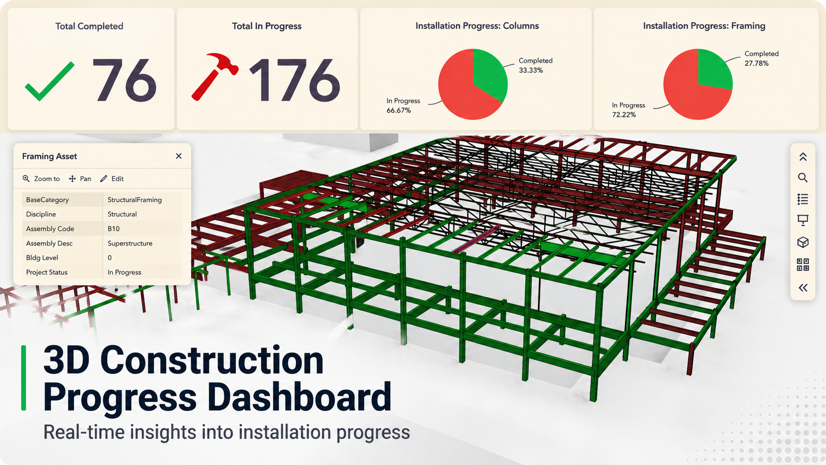
Utilities across the country are already realizing the benefits of modernization. For example, the Gwinnett County Department of Water Resources faced the challenge of an aging workforce and the risk of losing decades of institutional knowledge. By piloting an ArcGIS software-based digital twin, they created a 3D, spatially accurate environment where staff could locate and monitor assets, access information 24/7, and optimize maintenance workflows. Charlie Roberts, deputy director, shared that the digital twin was not just valuable to design engineers; frontline employees benefited greatly from the project as well.

The model, as detailed and as complex as it is, can be made available in the field to frontline employees who benefit from it the most.
Other utilities, like Santa Clarita Valley Water and Eastern Municipal Water District, have unified their asset management practices, improved data accuracy, and enhanced collaboration by establishing GIS-centric systems of record. Raleigh Water leveraged indoor mapping to connect asset inventories with real-world building spaces, supporting both preventive and reactive maintenance. Pennichuck Water Works and Milwaukee Metropolitan Sewerage District have embraced digital twins and BIM integration, streamlining project delivery and reducing rework.

Integrating BIM and GIS at MMSD helps drive smarter asset management of our Water Reclamation Facilities—reducing project costs, improving emergency response, and proactively preparing our organization for a digital twin future.”
Building the Foundation for Innovation
A geospatial approach to facility and vertical asset management begins with establishing a GIS-based system of record. By consolidating all asset data into a single, spatially accurate environment, you create a centralized source of truth that supports every operational and strategic decision, from the boardroom to the field.
This approach lays the groundwork for innovation, scalability, and resilience. It ensures your investment in GIS continues to deliver value as technology and operational needs evolve.
With a GIS foundation, you can
- Preserve institutional knowledge for future generations.
- Enhance collaboration across teams with accessible, map-based tools.
- Integrate advanced capabilities like reality capture, SCADA, BIM, and digital twins.
- Perform predictive analytics to identify potential failures, optimize resource allocation, and extend asset life cycles.
Scaling Success with Digital Twins
As utilities scale their efforts, digital twins offer a powerful way to maximize the value of existing technologies and resources. These dynamic, interactive models represent facilities in both 2D and 3D, connecting every asset to its precise location, maintenance history, and operational data. With digital twins, staff can easily navigate complex indoor environments, plan tasks before arriving on-site, and respond to emergencies with greater confidence and efficiency.
Utilities like Clark County Water Reclamation District use ArcGIS Indoors, drone imagery, laser scanning, and BIM to build comprehensive digital twins. Clark County’s digital twin initiative is already providing a return on investment by improving staff navigation and collaboration, enhancing safety and security awareness, and increasing operational efficiency and preparedness.
We’re giving our teams something we’ve never had before—a precise, living digital picture of our facilities. It marks a major step forward in how we manage and visualize critical infrastructure, and it’s opening the door to a smarter, more connected future.”
Advice to Utility Leaders
- Don’t wait. The risks of inaction are too great.
- Invest in your people and your data. Modern solutions empower your workforce and ensure continuity.
- Think long-term. Build a foundation that will support innovation and resilience for years to come.
Modernizing facility and asset management is about more than adopting new technology. It’s about creating a connected, intelligent infrastructure ecosystem. With ArcGIS, you can bridge the gap between the physical and digital worlds, unify your teams, and ensure your utility is ready for whatever the future holds.

Article Discussion: