March 31, 2026 |
Ryan Lanclos | Public Safety
May 13, 2026
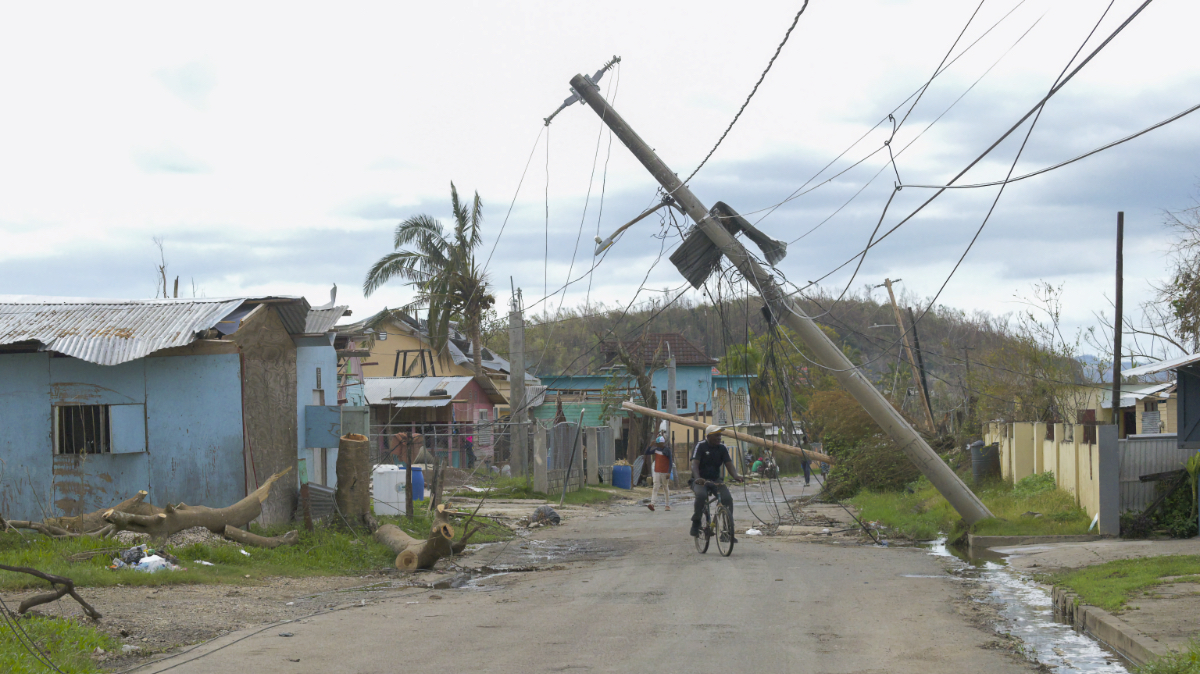
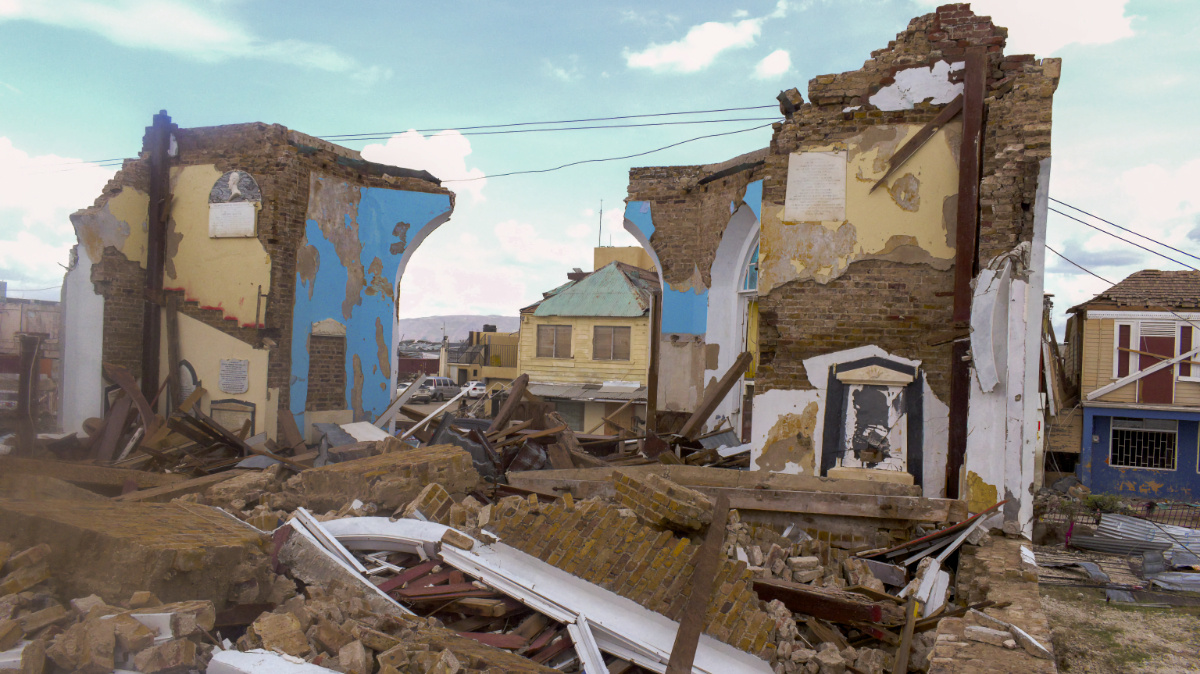
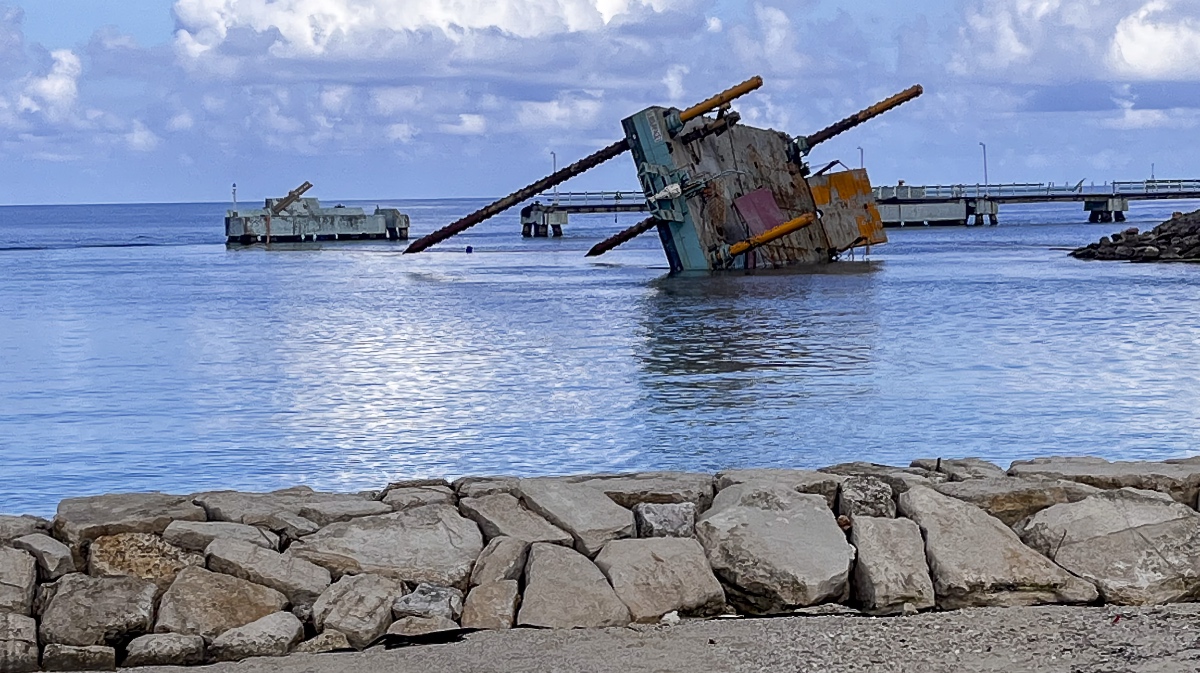
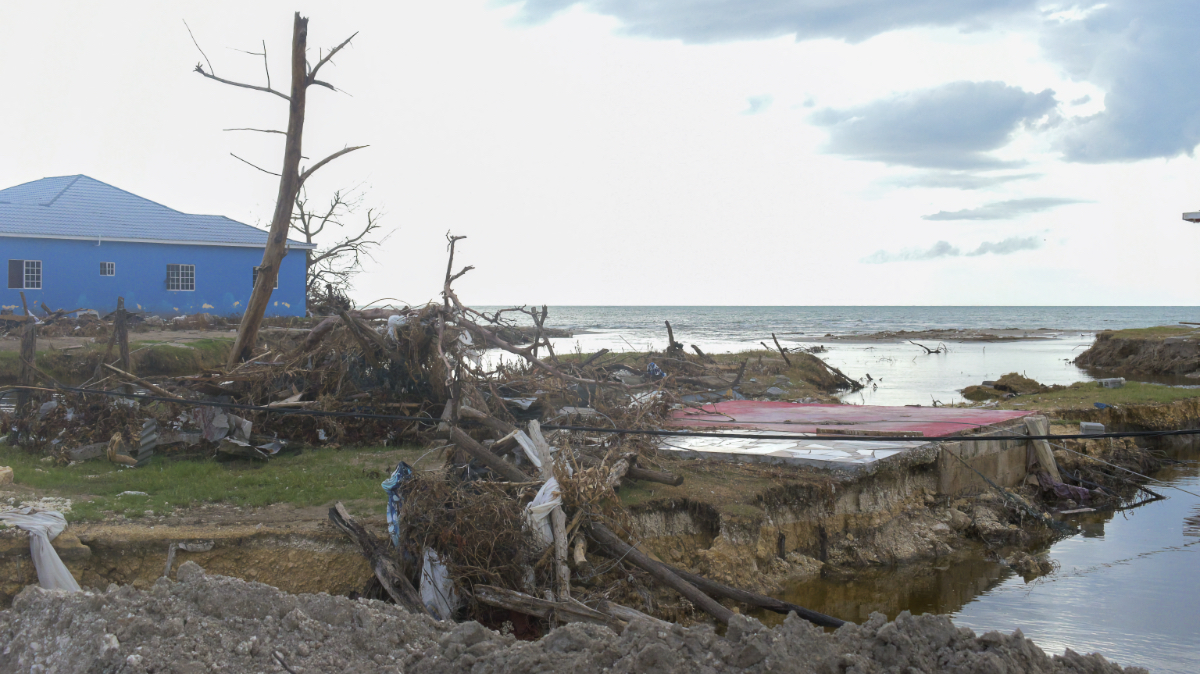
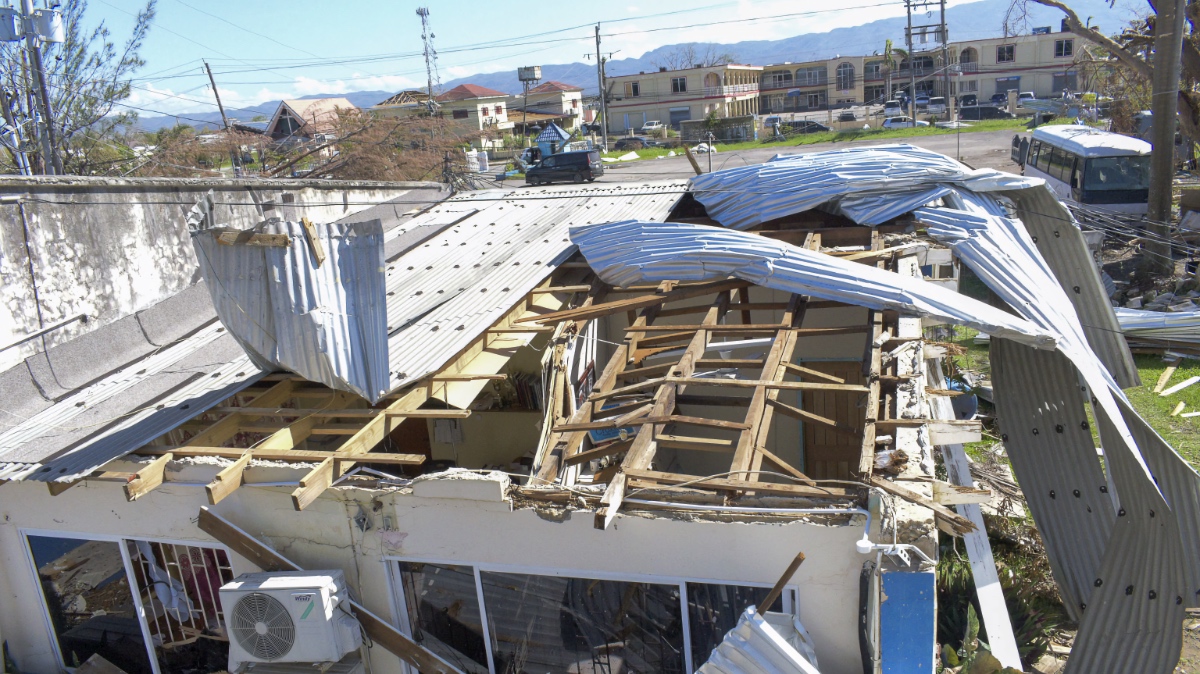
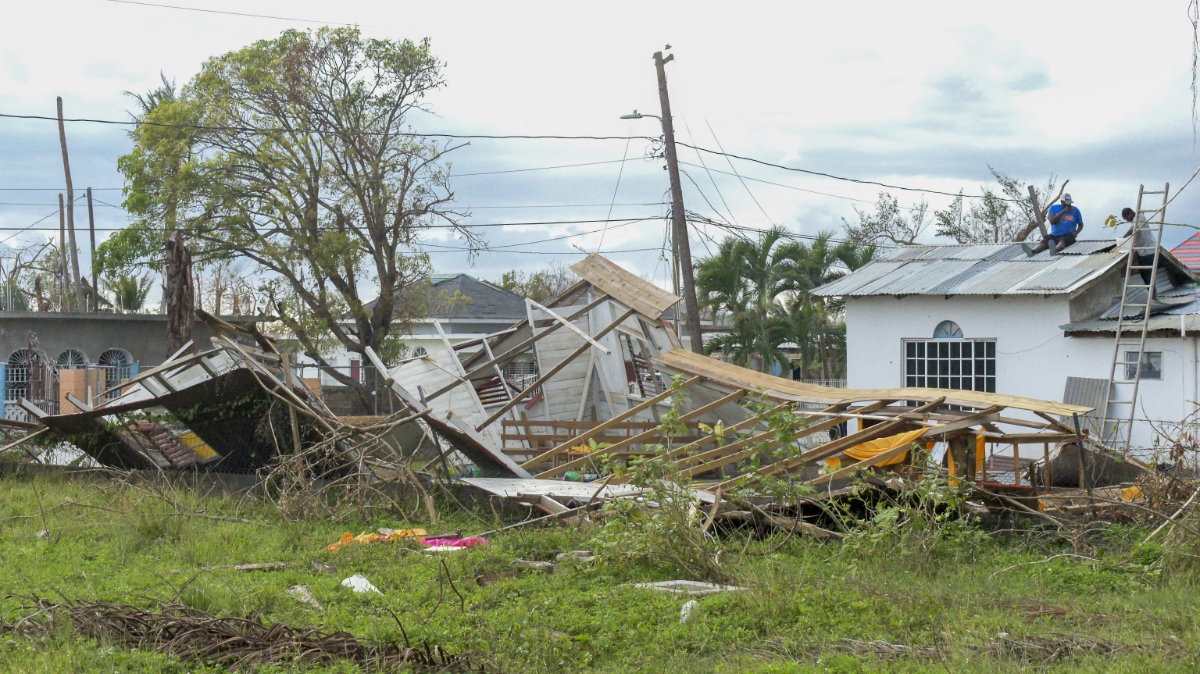
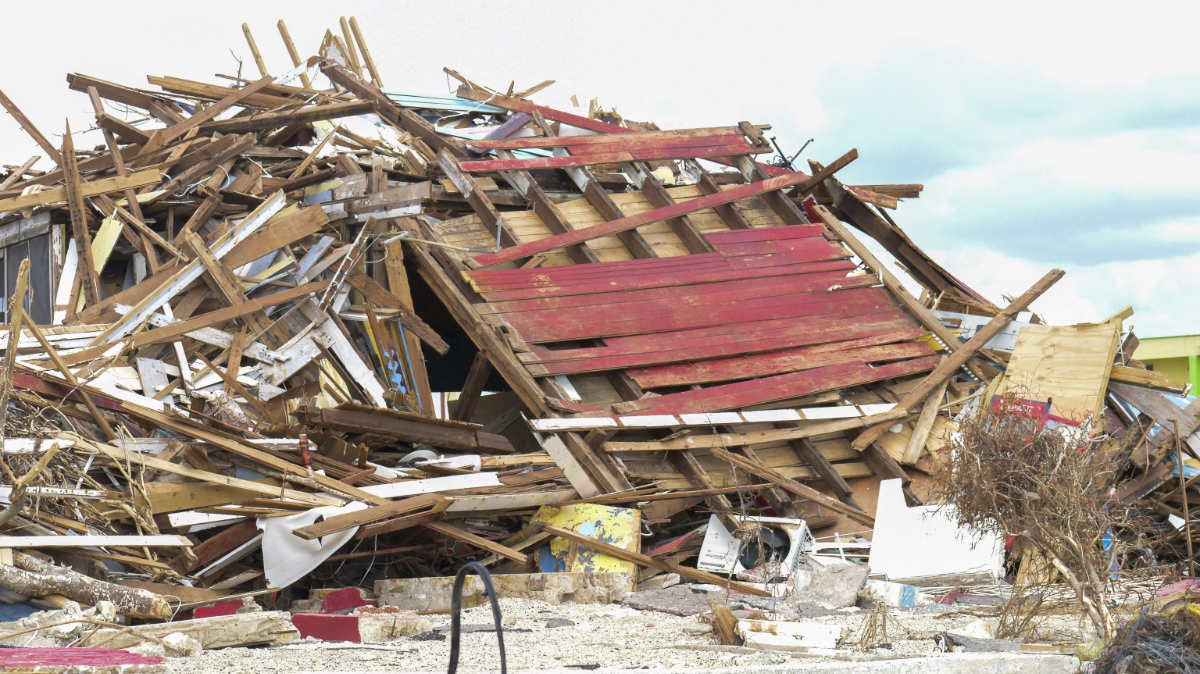
When Hurricane Melissa made landfall in southwestern Jamaica near New Hope on October 28, 2025, it wasn’t just a storm; it was a record-shattering atmospheric assault. With sustained winds of 185 miles per hour, the Category 5 hurricane—the strongest ever recorded to hit the island—unleashed a void of information that threatened to stall lifesaving relief efforts. Power outages plunged 77 percent of the island into darkness, and communications were severed just as the landscape was being rendered unrecognizable by four-meter storm surges and catastrophic winds.
In the wake of such devastation, a new paradigm of disaster response has emerged. For the first time in Jamaica, external agencies and foreigners did not lead a large-scale international relief effort but were instead locally led and globally supported. Leading this digital vanguard was Jamaica Flying Labs (JFL), a member of a global network of local drone and mapping labs spanning 41 countries, a small but potent nonprofit that found itself tasked by the government with a massive responsibility: coordinating the entire national drone response.
Valrie Grant, founder of Jamaica Flying Labs, was flying to a United Nations (UN) conference in Chile when the scale of the task ahead began to set in. During a quickly organized video meeting with Jamaica’s Office of Disaster Preparedness and Emergency Management (ODPEM) and National Emergency Response Geographic Information Systems Team, she learned that her group would be leading all drone-based geospatial mapping for damage assessment. To ensure the safety of low-flying relief helicopters and a unified airspace, the government even placed a temporary blanket ban on all unauthorized drone flights across the island, funneling aerial reconnaissance through JFL.
The group had been building up its teams of volunteers and technology since it was founded in 2018. But no Flying Labs group anywhere had taken on such a primary role in a disaster zone. “We knew we were going to be part of it,” but “we didn’t recognize that we would be the ones coordinating the entire effort,” Grant said.
The devastation was also surprising. She’d seen some video of the damage, but it wasn’t until she was on the ground that the scale of the storm really set in. “We’ve never seen anything like that,” she said. In some places, “my country was unrecognizable.”

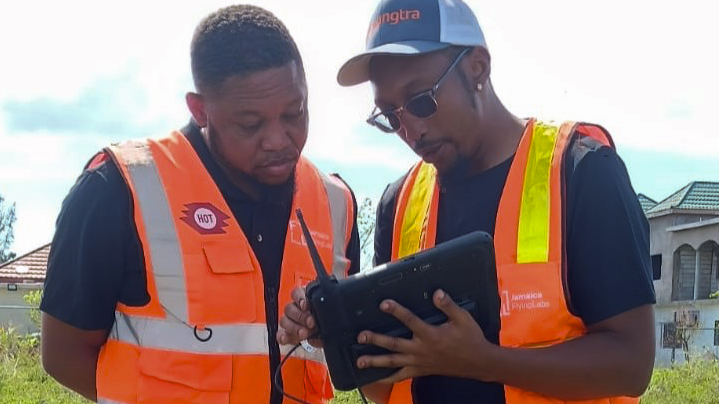
Even before Melissa reached the coast, the effort to measure the damage was in motion. JFL partnered with the Humanitarian OpenStreetMap Team (HOT) to launch ChatMap, an open-source tool that transformed WhatsApp messages and voice notes into geolocated data. Despite widespread power outages, over 2,000 Jamaicans used the tool to report flooding, landslides, and road blockages in real time.
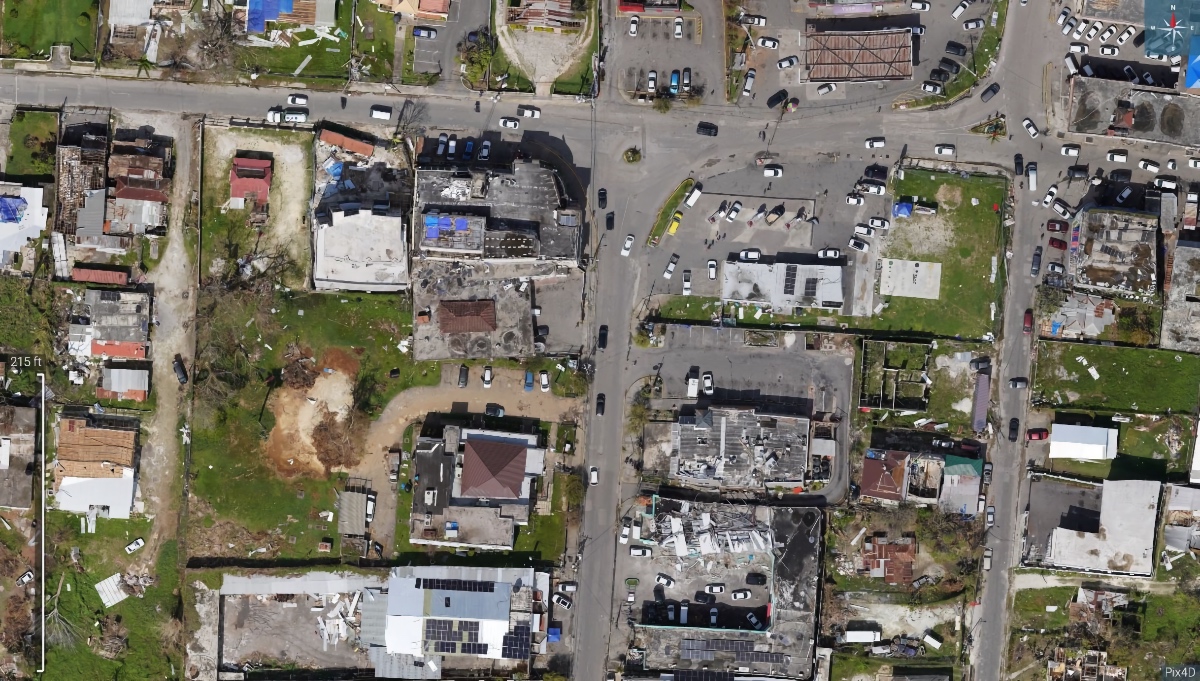
This “community-reported” layer was supplemented by a massive remote mapping effort. Through HOT’s Tasking Manager, 247 volunteer mappers from around the world scrutinized high-resolution satellite imagery to identify damaged buildings across Jamaica and neighboring Cuba. However, satellite imagery has its limits—specifically cloud cover and resolution. To pierce the veil, JFL deployed a fleet of drones, logging over 300 hours of flight time across 320 communities.
“With drones, we are able to capture higher-fidelity, more granular data at the community level,” Grant said.
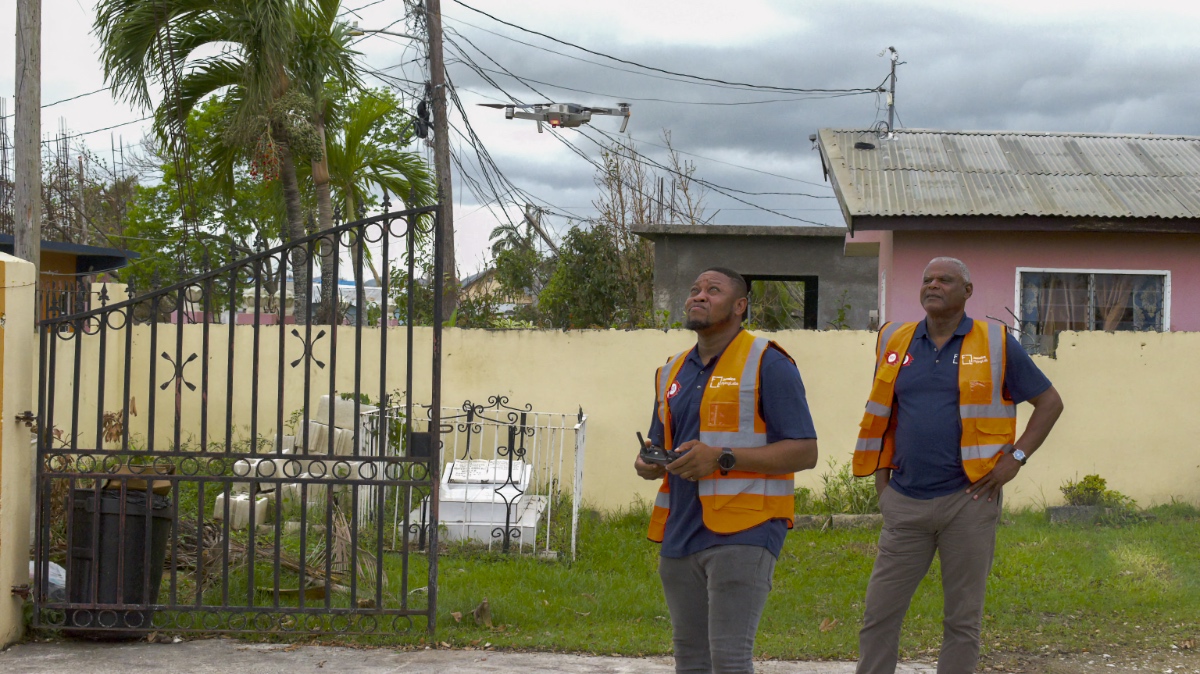
For much of the response, JFL fielded about five drone teams. Each team, composed of a pilot and a spotter, was assigned to capture data within pre-established 3 x 3-kilometer grids, with priority areas set by the National Emergency Response Geographic Information Systems Team coordinator. After each roughly 20-minute flight, the teams transferred the data to memory cards for later uploading to the cloud.
As people in the hardest-hit townships searched for temporary shelter and began to pick up the pieces, the first priority for government GIS specialists was assessing damage to transportation networks.
“You need access in order to get into the communities so that people can remove debris from the road, clean the roadways, and make sure that ports were intact too,” Grant said. The Jamaica Public Service Company deployed its own separate drone-enabled GIS team to assess damage to power lines.
While JFL’s drones provided the raw imagery, back in Kingston, the international charity MapAction arrived to turn that data into a strategic blueprint for survival. For humanitarian planners, the chaos of a disaster zone is a logistical nightmare; MapAction’s role was to provide a common operating picture. Using data flowing in from other groups operating on the ground, MapAction volunteers produced critical “Who/What/Where” (3W) maps, which plotted the locations of 18 different nongovernmental organizations (NGOs) and UN agencies to ensure that food, water, and medical aid reached every corner of the island without duplicating efforts.
Alicia Edwards, principal director of Jamaica’s National Spatial Data Management Branch, underscored the importance of this work. “When Hurricane Melissa struck Jamaica, maps became just as vital as manpower,” she said.
Combined with imagery from the ground and the skies, the National Emergency Operations Centre’s public dashboard provided a living picture of where the worst impact was and where help was being deployed. As new data came in, the maps tracked hundreds of active shelters, integrated satellite imagery from the European Space Agency’s Copernicus Programme, and turned WhatsApp field reports into geospatial damage layers.
One particularly vital map produced by the team highlighted damaged hazardous facilities—industrial sites, landfills, and quarries—allowing responders to identify secondary environmental threats while simultaneously mapping road damage to ensure aid trucks didn’t become stuck.

The JFL model relied on a “follow the sun” processing strategy. As drone pilots in Jamaica finished their exhausting days in the field, they uploaded their data to a global network of sister Flying Labs. Experts in Panama, Brazil, Tanzania, India, and Senegal checked and processed the imagery as soon as it was available, generating orthomosaics and digital surface models that were ready for Jamaican decision-makers soon thereafter.
Partnerships with two tech giants provided the digital infrastructure. Through its Disaster Response Program, Esri provided the ArcGIS Hub and ArcGIS Experience Builder applications used to assign pilots to specific 3×3-kilometer grids; it also helped establish image processing workflows in a low-bandwidth context. Microsoft stepped in with Azure cloud storage and free consulting to handle the massive influx of imagery. Wingtra and Skydio contributed both autonomous drone hardware as well as a handful of personnel to help cover the 900 square kilometers of the worst-affected disaster zones.
For Grant, the effort emblematized a new approach to mitigating and responding to disasters, one built on local control and self-sustainability. Leveraging tech for more locally driven recovery efforts is at the heart of the Flying Labs mission. Officially founded in 2016, the network of local innovation hubs equips its communities with the technology, skills, and connections helpful for solving social and environmental problems, often with drones.
Under the “inclusive networks” model—initiated by WeRobotics, the Geneva-based nonprofit behind the Flying Labs Network—each lab operates as an independent licensee, run by a local for-profit, nonprofit, or academic organization. By incubating and training local drone pilots and GIS analysts, the goal is to put mapping, remote sensing, and robotics in the hands of locals, instead of foreign companies and consultants who often parachute in with little local knowledge or interest in local stewardship.
Grant says that JFL, alongside other units in Haiti and the Dominican Republic, is now seeding labs in other countries across the hurricane-prone Caribbean. “Today it’s Jamaica; tomorrow it’s someplace else in the region,” she said.
And in Jamaica, JFL and others in and out of government have been running a series of capacity-building and educational events across the country centered on community-led disaster awareness and response. About a week before Melissa, Grant helped lead a stakeholder engagement workshop in a coastal community that suffers from frequent flooding.
“We literally shifted our collaborative learning project from that community to being a response effort for Melissa,” she said. “When we got that call, that shift was much simpler for us to make because we were already in that frame of mind.”
Despite the high-tech coordination, the reality on the ground was often old school. Grant highlighted a significant technical bottleneck: the sheer volume of data. A single 3 kilometer grid could generate up to 10,000 images, totaling 10 gigabytes of data. While the teams had Starlink satellite units, the high density of users in the disaster zone degraded the service, making data uploads impossible from the field. According to Grant, JFL did not bargain for that.
“We had bottlenecks in terms of the data upload,” she explained. “I’ve now formed a partnership with a telecommunications company. We literally have a desk inside one of their offices uploading data.” This meant mobile teams had to physically drive hard drives from the devastated western parishes to a dedicated fiber-optic line in Kingston. Someday, drones could ferry the data back to base too, but Jamaican regulations for those flights haven’t been written yet.
Among the many lessons and reminders Grant drew from JFL’s frontline work was the importance of being adaptable.
“Even in terms of your workflows, you have to have that flexibility to recognize that theory and practice are two different things,” she said.
“That’s something that we take to heart, and we were able to pivot and to evolve things on the fly, building as we go, because we recognize what the moment called for.”
On the technical and social side, she’s seen many opportunities for improvement—not just in JFL’s internal processes, but also how to better feed data into the national response workflow.
Another lesson: Drone teams should have a seamless way to provide their own field reports as they collect imagery data, “so that the people who need it can get immediate help,” Grant said.
As drone teams gathered critical imagery, Grant saw how they were coping not only with technical challenges but also with the emotional weight of the work. Unlike satellite imagery, which can feel detached, drone mapping is an intimate act. Pilots are physically present in the communities, witnessing the trauma of survivors firsthand. “Being on the ground was a whole different experience,” she said.
On her first day in the field, she recalled encountering one woman who had lost her home and was living in her car. She watched neighbors put an injured man in a wheelbarrow and, with emergency services still unable to reach their town, push him to the hospital. He died along the way.
“You recognize that they need to talk,” she said. “Even my team—I now recognize what they were going through.”
To address stress among team members, Grant consulted an expert in resilience to help guide weekly check-ins and breathing exercises for volunteers.
“You just have to remind yourself, as I told the team, that even though we can’t do everything—sometimes we feel as though we’re helpless and can’t help the people—we are helping in the way that we can by our mapping.”
From that perspective, the data isn’t just a set of pixels; it’s a tool for community recovery. For the first time, local communities were actively requesting drone flights to help document their damage.
“When you have people interacting with you—that human element—you can’t be divorced from what it is that you’re doing to bring a solution to these people,” Grant said. “It’s not just data for you. It has more meaning.”
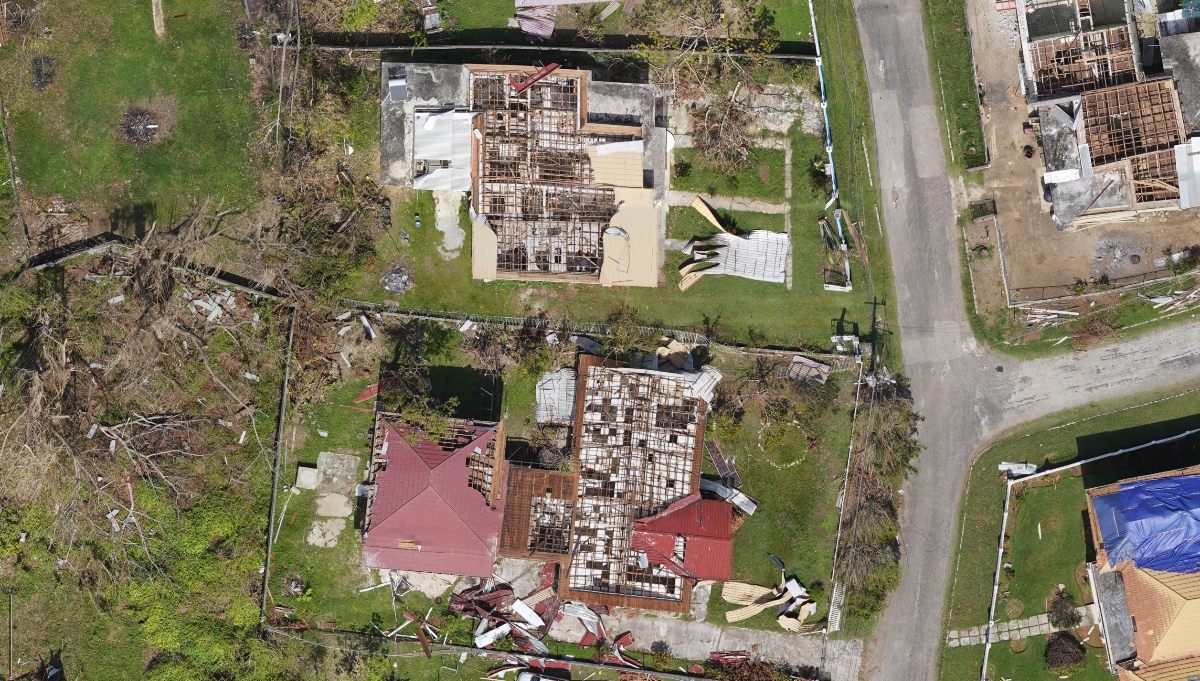
As Jamaica moved from immediate response into the long-term recovery phase, the data collected by JFL and its partners is providing a valuable picture for ongoing recovery and future disaster preparations. After researchers at the University of the West Indies, St. Augustine and WeRobotics analyze the processed geospatial data, it is shared in the cloud with government and academic researchers. (Some of it is also published on OpenAerialMap, a project that provides open-source disaster imagery.) The Jamaican government is using the data to analyze the rebuilding process. The data is also being used to help train AI models to understand building damage and inform complex flood analysis
Grant emphasizes the less measurable impacts of her teams’ mapping efforts. The response to Hurricane Melissa demonstrated that local expertise, when empowered by technology and global cooperation, can lead to a more effective and equitable disaster response. A conference in May 2026 in Montego Bay on drones, AI, and GIS—planned for December but rescheduled after Melissa—will now serve as a historic “stock-taking” event, where the lessons learned from the storm might provide a blueprint for the region and the rest of the world. Building up that kind of local expertise is growing more important, as warmer waters bring larger storms and floods, and as financial resources dwindle amid global policy upheavals, noted Grant.
“The reality is that resources have always been stretched thin, but this year, I think, has seen particular challenges with regards to having resources to do anything,” she said. “But also, I think there has been that recognition— and I’m going to be very blunt— that nobody’s coming to save us, so we have to figure out how to save ourselves. And that’s not a bad thing.”
The response to Melissa was a template for that future, “a local initiative that was globally supported,” she said. “I’m really proud of that.”
Learn more about Jamaica Flying Labs’ response in this ArcGIS StoryMap story. Explore how GIS supports emergency operations before, during, and after a storm.